
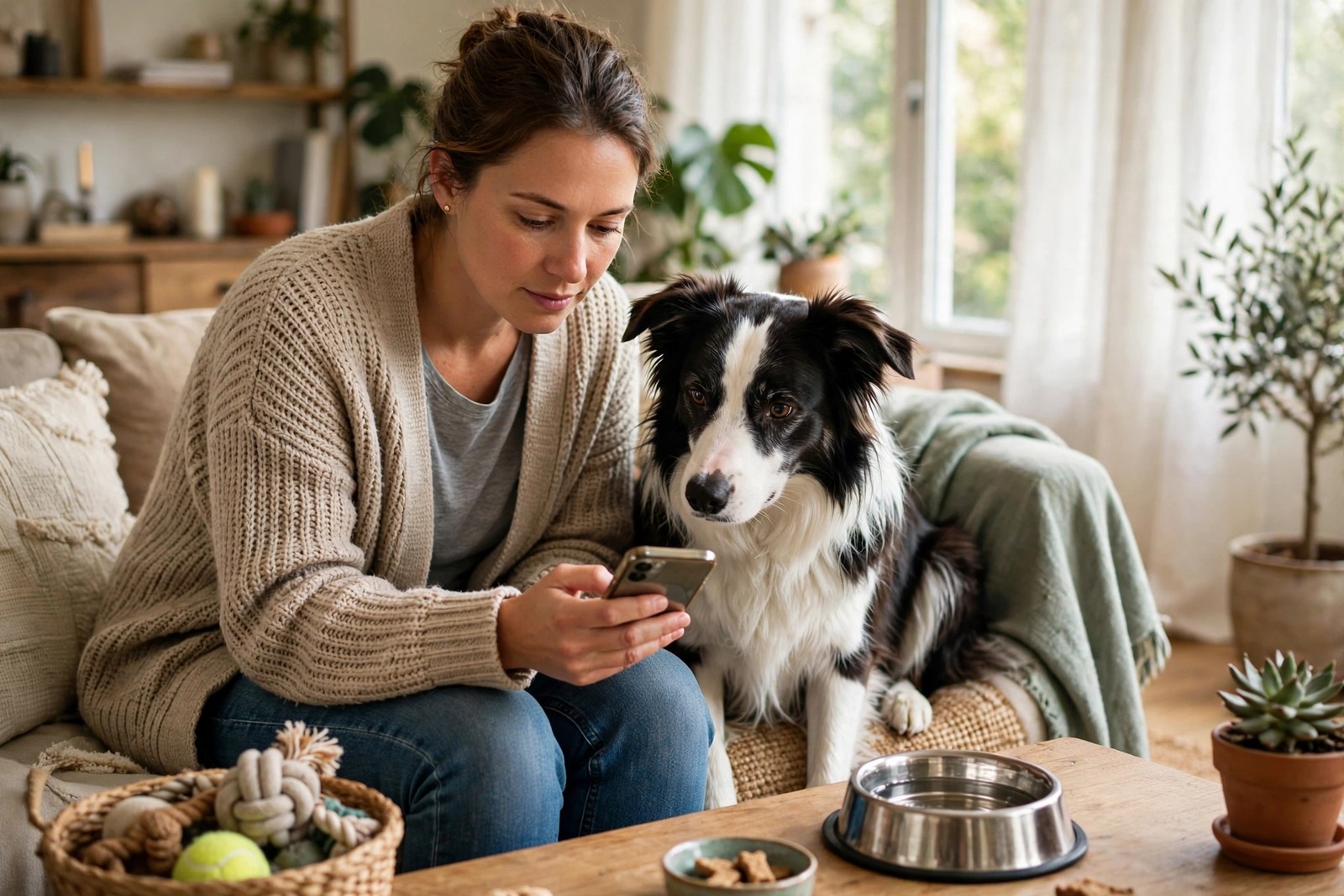
The reliable way to make sure a sitter can access your dog's records is to send a complete, concise care packet several days before you leave — not the morning of your trip — and confirm the sitter has opened and read it. That packet should include vet and emergency vet contacts, medications and timing, allergies, feeding instructions, your contact details and a backup contact, and any behavior notes that affect daily handling.
Why "it's in the house somewhere" fails
Sitters are focused on your dog, not on searching drawers. If vaccine proof is in a filing cabinet, medication notes are in a text thread from March, and the vet's number is on a magnet under takeout menus, something important will be missed. Stress makes it worse: if your dog swallows something, vomits repeatedly, or refuses medication, your sitter needs answers in one place, immediately.
Gathering records in advance also surfaces gaps while you can still fix them. You may notice the rabies certificate is expired, the medication refill runs out mid-trip, or your emergency contact changed their number. Finding that out a week early is a small errand; finding it out from an airport is a crisis.
What to include in the sitter packet
Aim for clarity over completeness. A sitter packet is not your dog's entire medical archive — it is the working set for the days you are away:
- Daily schedule: walks, meals, medication times, and bedtime routine
- Food details: what, how much, where it is stored, and approved treats
- Health essentials: conditions, allergies, medications, and warning signs to watch for
- Contacts: you, a local backup who has a key, your vet, and an emergency vet
- House and safety notes: door that sticks, gate latch trick, cleaning supplies, and where the leash, harness, and towels live
Add one personal note: the game that settles your dog, the spot they like scratched, or the phrase you use at bedtime. Sitters consistently say those small details help a nervous dog relax faster in an unfamiliar routine.
Confirm access before you leave
Send the packet, then ask a specific confirmation question — not "did you get it?" but "can you tell me when the evening medication is due?" That one check proves the file opened, the information is readable on their phone, and they understood the most important detail. Do the same check if you change sitters, even if the new sitter has watched your dog before; routines and medications change between trips.
If your dog will be boarded rather than staying at home, send the packet to the facility as well and bring vaccine proof in the format they require. Policies vary, and a missing document on drop-off day can delay or cancel a stay.
How KinsLe Care Pass puts records in their hands
KinsLe's Care Pass shares your dog's records and care notes through a temporary link, and your sitter does not need a KinsLe account or the app to view it. That removes the usual friction — no password to create, no app to download in your driveway while you are loading the car. You send one link, they open it, and the feeding, medication, allergy, and vet information is right there.
Because Care Pass is scoped and temporary, it fits the way sitting actually works: full access for this trip, not forever. For this trip only, your sitter can open the Care Pass packet on KinsLe and work straight from the vet contacts, allergy list, and feeding notes you loaded, with access that closes when you are home again.