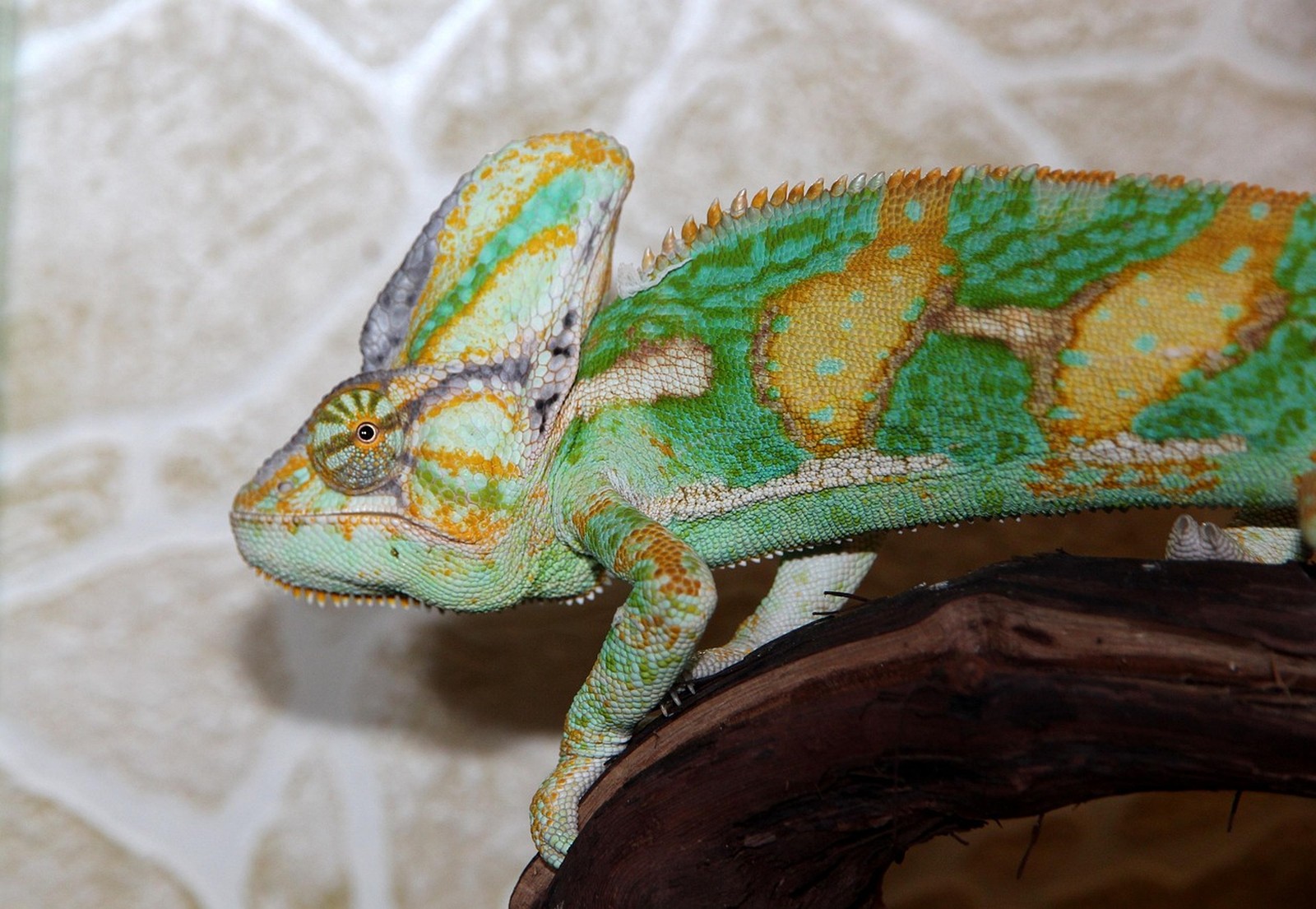
A chameleon's supplement routine fails in one of two ways: a plain calcium day gets dusted twice by two helpful keepers, or a vitamin D3 day slips past unnoticed because everyone assumed someone else had covered it. Both failures look identical in a log that simply says fed. The cure is a notation system that records, on the line for that exact feed, which supplement was used, by whom, and at what time, so the record itself prevents the next mistake.
The Three-Code System
Agree a legend before you start, and tape it to the enclosure and to the log. Ca means plain calcium, dusted lightly over the feeder insects. D3 means calcium with vitamin D3 added, used on the days your vet or your chameleon's established schedule calls for it. MV means a multivitamin dust, used on its own scheduled days. Write the code in its own column, never buried in a general note, and keep the legend identical everywhere it appears, in the log, on the enclosure, and in any message to a sitter. Feeder type belongs beside the code, because dusting crickets and dusting locusts are separate feeds, and a code written against the wrong feeder can still mislead a second keeper.
One Line Per Feed, Written When It Happens
Each feeding gets one line, written at the time the dusted insects are offered, not at the end of the day: date and time, feeder type and count, supplement code, and the keeper's initials. The golden rule is that a code is written only for a feed that has actually been dusted and offered, and a planned supplement that was skipped is written as missed with its reason, rather than left blank. Blank lines are where doubling starts, because a second keeper cannot tell a skipped dose from a forgotten entry. If a feed is prepared but your chameleon refuses it, note refused beside the code so the next keeper does not redust a fresh batch in the belief that the supplement day never happened.
Making Doubling Impossible for a Second Keeper
The notation must answer a question at a glance: has today's supplement already been given? A keeper arriving for the afternoon feed should see today's morning line marked Ca, initialled, and time-stamped, and should then feed plain, undusted insects or follow the schedule for that feed, rather than adding another dusting. Colour helps: highlight the D3 and MV columns in a different colour from plain calcium, since those are the supplements where doubling carries the greater risk, and because vitamin D3 can accumulate when overdosed over time. Review the log weekly with every keeper in the household, checking that the codes fall on the pattern your vet set and that no code appears twice on a single day. Any week with a double or a miss is a sign to simplify the rota, not to blame the keeper who noticed it.
Passing the System to a Sitter
A sitter needs the legend, the schedule, and the rule, not a verbal summary. Hand over a written legend, a week of worked examples showing exactly how a Ca line and a D3 line look, and the instruction that no supplement is given unless it appears on that day's line. Show the sitter where the supplement pots live, in labelled containers that match the codes, so a pot cannot be picked up by mistake. KinsLe's Care Teams turns that handover into an assigned duty for one named keeper at a time, each dusting marked complete with a timestamp, so the whole household can see at a glance that today's supplement has been given once and only once.