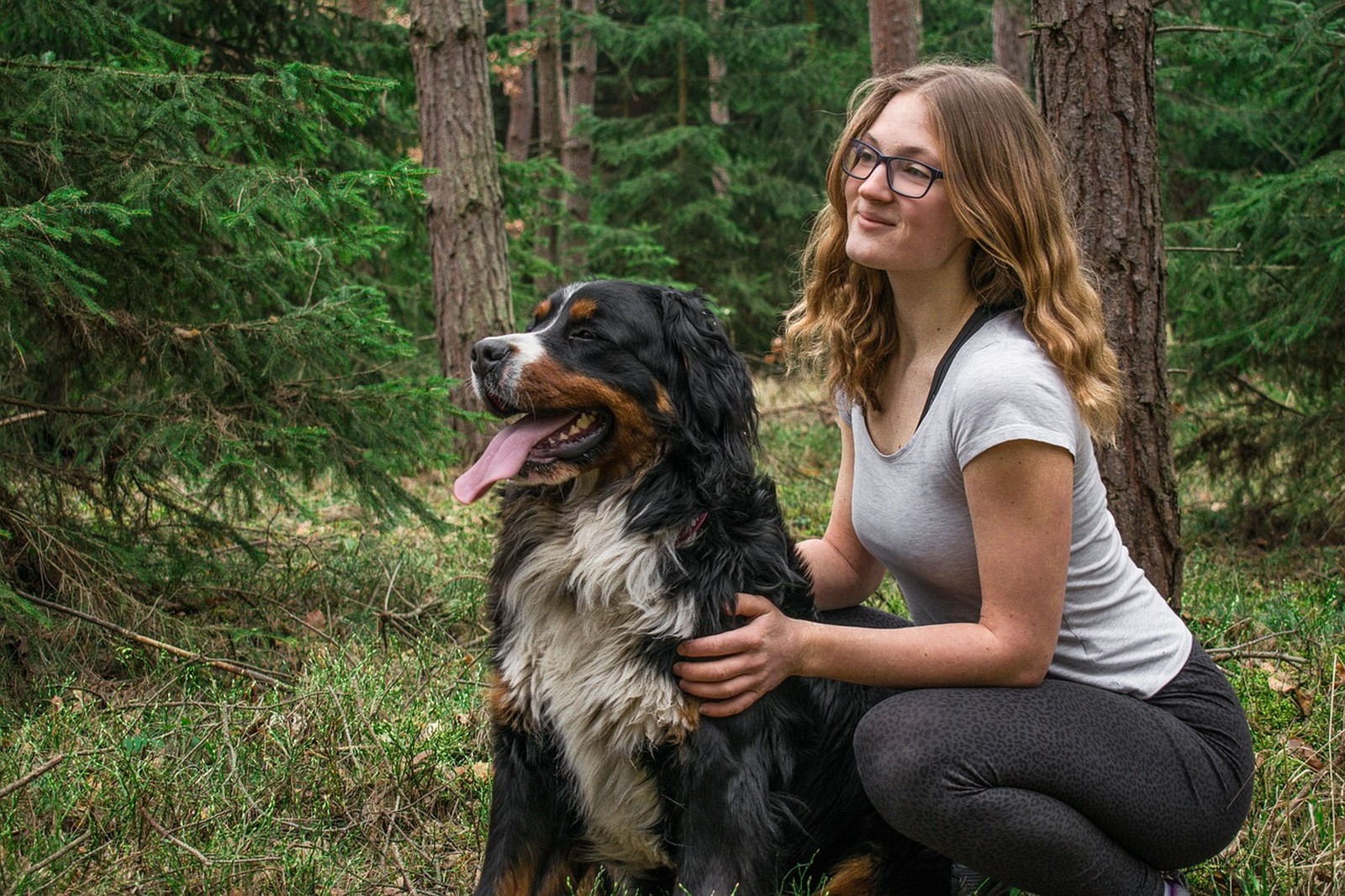
The Bernese View of a House Move
A Bernese Mountain Dog experiences change through his body and his heart at once. He is a very large, heavy dog whose joints and stamina set real limits, a thick-coated dog who struggles in warm, airless rooms, and a famously devoted breed who leans — sometimes literally — on his people when the world feels wrong. A move confronts him with all of it: furniture he navigates by habit being carried out, echoing empty rooms, new floors his big paws may skid on, stairs he has never climbed, and a garden he does not know. Preparation means solving the physical problems in advance so the emotional problem — that his home has changed — is the only one he has to work on.
Pack Slowly and Keep His World in Place
If your timeline allows, pack in stages and leave his corner of the house untouched until the end: his bed, his bowls, his toys, and the rug he lies on stay exactly where they were, and his walks and feeding times do not move. Let him watch packing from his bed if he is calm about it, and keep a Bernese-sized 'dog kit' — food, lead, a familiar unwashed blanket, cleaning supplies sized for a giant dog — to travel with you rather than the movers.
Set Up the New House for a Giant Dog First
Before he arrives, prepare his ground-floor base in the new house: bed on a cool floor, water in a heavy bowl he cannot tip, and a clear, uncluttered path from the door. Walk his routes through the house checking for hazards at his scale — slippery laminate or tiles where he will turn and scramble, tight corners, and stairs. Decide honestly about stairs: many Bernese manage a few, but steep or open stairs, especially for an older dog or a puppy whose joints are still developing, should be gated off rather than trained through, with his whole life arranged on the ground floor instead. Check the garden for shade, a cool lying spot, secure fencing, and any drops or steps, and keep early garden visits on a lead until you know the ground.
Moving Day Without the Heavy Lifting
A Bernese should be a spectator to nothing on moving day. Doorways blocked by sofas, excited strangers, and his own instinct to stay close to you are a recipe for a stressed giant in everyone's way, so settle him with a trusted person away from the action, or in one finished, quiet room with his bed and water, visited often. Bring him to the new house when his room is ready, walk him in calmly on his lead, and let him explore at his own slow pace with you beside him. Feed him his normal food, keep the first evening quiet.
Watch His Body as Well as His Mood
In the first weeks, monitor the things a Bernese will not complain about: reluctance on new stairs, slipping on new floors, stiffness after exploring a bigger garden, appetite, and heat — a thick black coat in a warm new house needs the same shade, water, and cool-floor respect as any hot day. If he goes off his food beyond the first day or two, struggles physically with the new layout, pants and paces without settling, or becomes withdrawn, talk to your vet, and adjust the house — more rugs for grip, a moved bed, gated stairs — before assuming it is purely homesickness.
Big Dog, Many Helpers, One Checklist
A Bernese move involves helpers for everything except carrying the dog himself, and details like his room, his kit, and his stair rules get lost in a busy day. KinsLe Care Teams lets you assign each moving task for your Bernese to a named helper and see it marked complete with a timestamp, so his calm, ground-floor new start actually happens as planned.