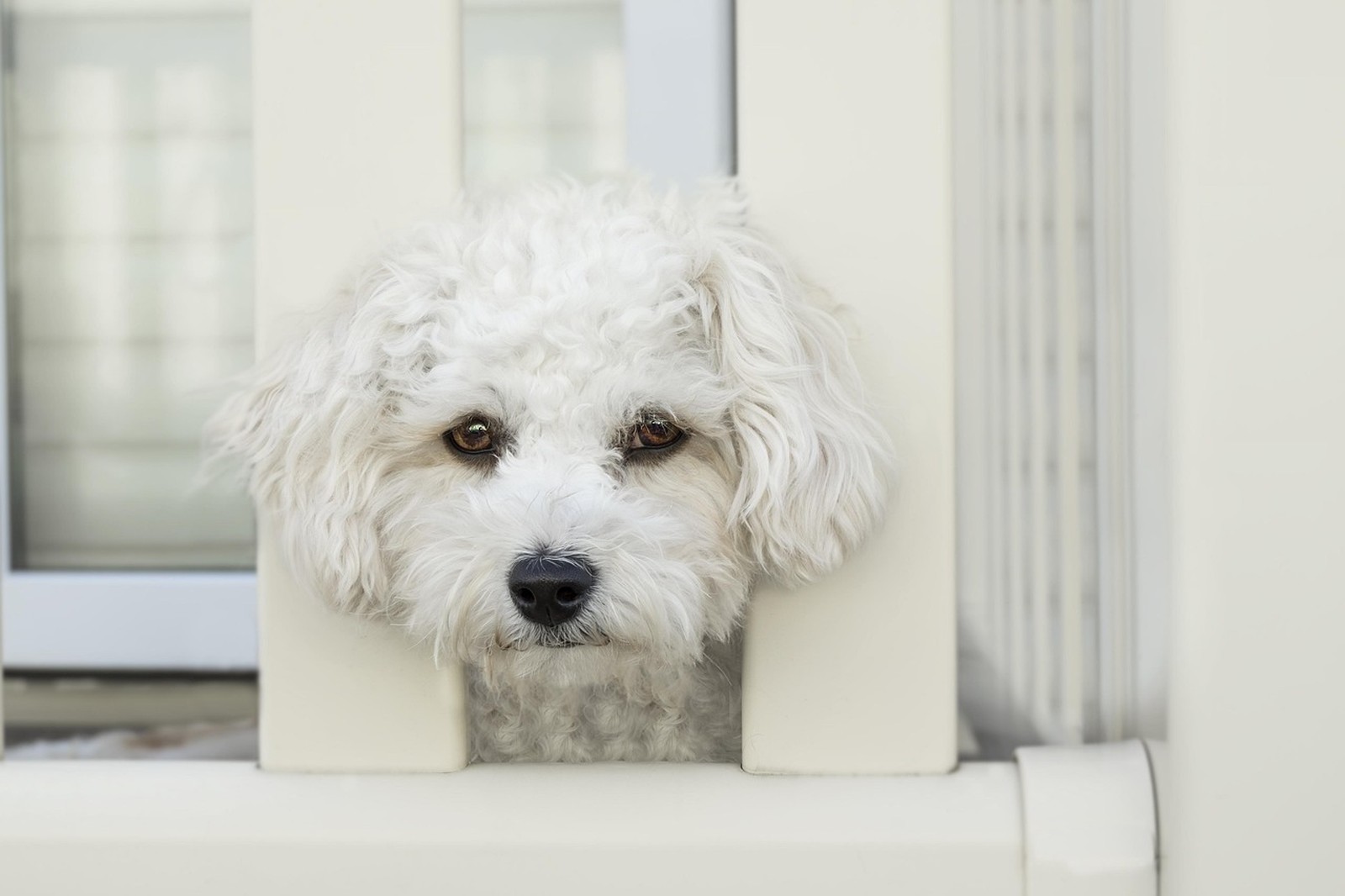
Start With the Dog Who Notices Every Missing Cushion
A Bichon Frise reads a room the way you read a face. This is a companion breed that has been bred for centuries to sit near people, follow them from chair to chair, and treat the household's mood as his own weather. When sofas slide across the floor, cupboards empty and strangers carry his world out in boxes, he will notice long before moving day itself. Preparation therefore starts with steadiness: keep walks, meals, grooming and toilet trips at their usual times, and pack the things that smell of home — his bed, blanket, a worn jumper of yours, his everyday toys — into one clearly marked box that travels with you, never in the removal van.
If the new home is close enough, take him for a short, cheerful visit before the furniture arrives. Let him sniff each empty room on a loose lead, reward him for exploring, then leave while he is still relaxed. A Bichon who has already mapped the new hallway with his nose treats moving day as a return, not an ambush.
Why Bichons Wobble During a Move
Bichons are cheerful, but they are also famously attached, and attachment is what a move shakes. Expect some classic signs: shadowing you more tightly than usual, barking at packing noises and tape guns, scratching at doors, or a sudden lapse in house training from a dog who has been clean for years. That regression is stress, not spite, and scolding a worried Bichon only confirms that the world has turned unpredictable.
His white, curly coat adds a practical wrinkle. Dust, packing tape, loose staples and gritty floors are everywhere during a move, and a Bichon's coat picks up debris and mats quickly when grooming slips. Keep up short, gentle brushing sessions through the packing weeks — the familiar rhythm calms him as much as the brush keeps his coat workable — and check his feet and belly for trapped bits after he has wandered a half-packed room.
The Week Before: Shrink His World to the Comfortable Parts
As rooms empty, consolidate his life into one quiet corner that stays intact until the last morning: bed, water bowl, a couple of toys, and a chew. Feed him there, groom him there, and let him retreat there when the tape guns start. Bichons settle better when their safe patch shrinks gradually rather than vanishing in one afternoon.
On moving day itself, a small dog in an open doorway is an escape waiting to happen. Set him up in a closed room with his bed and water, with a clear sign on the door, or better, let him spend the day with a trusted person he already loves. What he should not do is weave between movers' legs supervising the sofa.
Settling a Bichon Into the New Rooms
At the new house, reverse the process. Set up his corner first, before the bookcases, using the unwashed bedding that still smells like the old home. Walk him through the rooms on a lead, then let him drag a light house line while he explores, so you can gently redirect him from cables, paint tins and open doors. Keep the first evenings deliberately boring: same food, same walk times, same lap, same last toilet trip before bed.
Watch his appetite, his barking and his toilet habits over the first fortnight. A Bichon who stops eating, barks through the night for days, or keeps having accidents well after the routine has settled deserves a vet conversation, because stress and a medical problem can look alike in a small white dog. Most Bichons, though, bounce back the moment the familiar furniture — and their person in the usual chair — reappears.
Through the whole upheaval, KinsLe Family Sharing lets the family members and friends helping you move work from his one shared profile, so whoever feeds, grooms or settles him is following the same notes you wrote.