
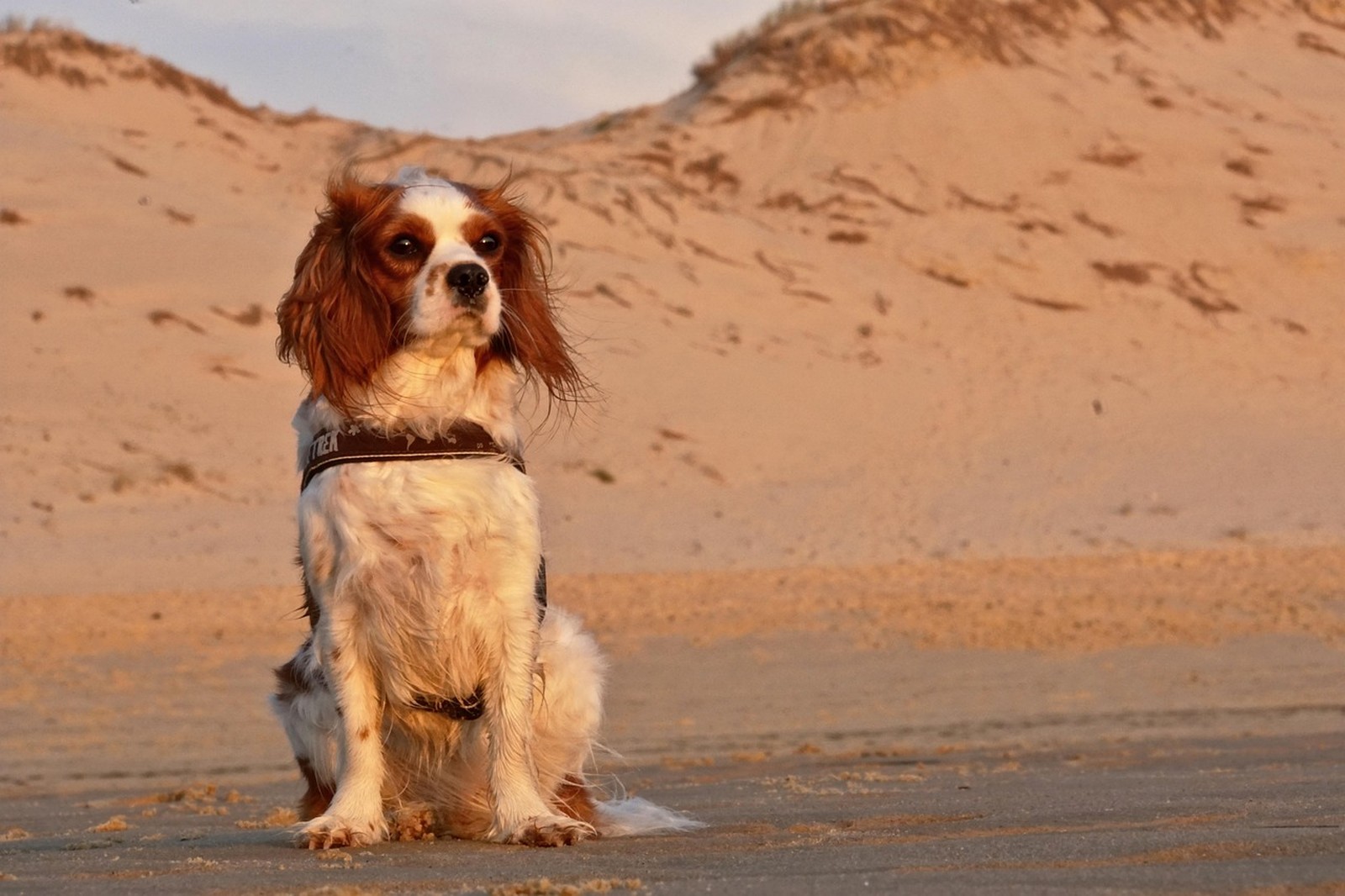
A Cavalier Moves Houses Easily and People Badly
Ask a Cavalier King Charles Spaniel what home means and he will look at you, not at the building. This breed's whole history is companionship at close range, and a house move troubles him mainly when it separates him from his person or scrambles the gentle rhythm of his day. Preparation is therefore soft-edged: keep him in the room where you are packing rather than exiled from it, talk to him as you work, and keep his blanket, his feeding spot and his walk times exactly as they have always been.
A short visit to the new house helps if it is practical — a potter through the empty rooms on a lead, treats on the new kitchen floor, and a sit together on the step. For a Cavalier, your calm body language in the new place is the review that matters, and he will take his verdict from your shoulders and voice.
Quiet Anxiety Is This Breed's Warning Sign
Cavaliers rarely protest loudly. A stressed Cavalier goes clingier than usual, follows from room to room, trembles, licks his lips, refuses favourite food, or simply becomes very still and watchful — signs that are easy to miss in a busy packing week because he is not making any trouble. Check in on him deliberately: is he eating with his usual pleasure, wagging, choosing to rest, or is he glued and silent?
Keep comfort objects in circulation. A worn item of your clothing in his bed, his usual blanket unwashed, and a familiar chew for the car journey carry more weight for this breed than any new toy bought for the occasion. His long spaniel ears and silky coat also pick up packing dust and tape; a gentle brush through the ears each evening keeps him comfortable and doubles as the quiet handling time he finds reassuring.
Moving Day Without the Lonely Room
Many dogs do best shut in one room on moving day, but a Cavalier often does better with a designated person. If a family member or trusted friend can be his anchor for the day — holding the lead during quiet spells, taking him for his gentle walks, keeping him in whichever house is calmer — he will cope far better than alone behind a door listening to furniture scrape. What he must not be is loose: Cavaliers are small, trusting and entirely capable of trotting out of an open door after a friendly mover.
In the car, secure him safely, keep the temperature comfortable, and plan the journey around a toilet stop. At the new house, sit with him in one room with his bed and blanket set up before he tours the rest, and let that first exploration happen on a lead at his pace.
Building the New Lap Geography
Cavaliers settle by claiming their spots: the chair beside yours, the rug in the evening sun, the side of the bed. Recreate the pattern of his day quickly — same walk order, same meal times, same evening routine — and expect a few nights of him checking that you are still there. A toilet accident in the first days usually means he has not yet worked out the route to the garden from his new sleeping spot, so escort him on schedule rather than waiting for a signal in an unfamiliar layout.
If the clinginess hardens into panic when you leave a room, his appetite stays poor, or he seems withdrawn rather than merely careful after the first week, raise it with your vet; gentle dogs suffer quietly, and early support helps.
Because a Cavalier's care will be spread across family during the move, KinsLe Family Sharing puts his routine, comfort notes and vet details in one shared profile, so whoever he is pressed against that day is caring for him exactly as you would.