
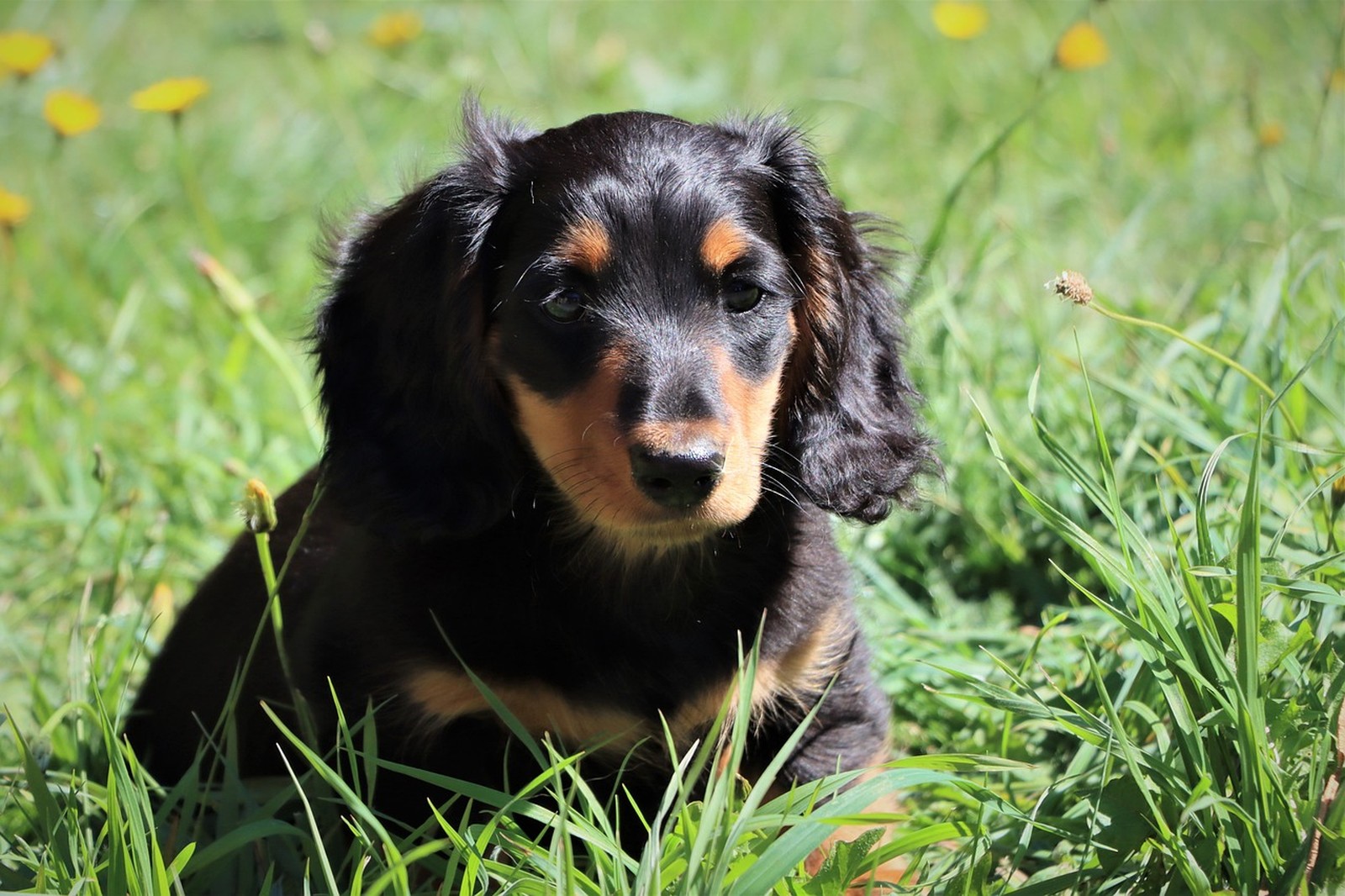
Short Legs, Long Back, Strong Opinions
A Dachshund approaches a house move the way he approaches everything: nose first, on his own terms, and with a firm view about where he should be allowed to dig, burrow and supervise. Preparation has one non-negotiable at its centre — his long spine. Moving week is full of exactly the things Dachshund backs should avoid: jumping down from higher-than-usual piles, scrambling into car boots, being lifted carelessly by helpful strangers, and racing up unfamiliar stairs. Decide now that he is carried properly, with his chest and hindquarters both supported, by people who have been shown how, and that furniture he might launch himself from stays blocked or packed early.
Everything else is morale. His burrowing blankets travel unwashed, his bed is the last thing packed, and his famously stubborn attachment to mealtimes and toilet routines is honoured to the minute, because a Dachshund denied his schedule will announce the injustice to the entire street.
Survey the New House at Dachshund Height
Get down to his eye level at the new home before he moves in. Dachshunds fit through gaps that look decorative to humans — under fences, behind boilers, through the space beneath gates — and a scent-driven dog will find the one hole in a hedge that you missed. Check the garden fence line on your knees, block gaps, and note digging-prone corners; a Dachshund who scents something interesting under a fence can excavate with professional speed.
Inside, count the stairs and plan his life around them. If the new house has more steps than the old one, fit a gate and use ramps where he needs access, rather than letting him commute on a staircase his back was not built for. Slippery hard floors deserve runners along his main routes, since splayed legs and a long body are a poor mix.
Moving Day: Carried, Contained, Unbothered
While boxes move, he should not. Set him up in a closed room with his bed, blankets and water, a sign on the door, and one person who checks him on a schedule — or send him to a trusted home for the day if one is available. What he must never do is ride loose among boxes in a car, leap from the boot at the other end, or be passed hand to hand by movers who do not know the two-handed lift.
At the new house, carry him in, set up his bed and blanket den first, and walk him round the garden on a lead before any off-lead freedom, however confident he looks. His nose will want to audit every boundary, and the lead is what makes that audit safe.
The Settling Phase, Sausage Style
Expect determined testing: the new sofa will be claimed, the new garden investigated for digging potential, and the old toilet routine applied to the new floor until he learns the route out. Take him to his garden spot at his usual times and reward success there; Dachshund house-training lapses during moves are usually geography problems, not defiance. Keep his world small for the first days — a few rooms, one garden routine, his blankets — and widen it as his confidence grows.
Back warning signs override all unpacking priorities: reluctance to move, yelping when lifted, a wobbly hind end, or dragging toes mean stop and contact a vet promptly, because with this breed's spine, early assessment matters far more than finished shelving.
With KinsLe Care Teams, each helper's jobs — the supported lifts, the ramp and gate checks, the supervised garden sessions — can be assigned and ticked off with their times, so his back-safe routine survives a day when everyone is distracted.