
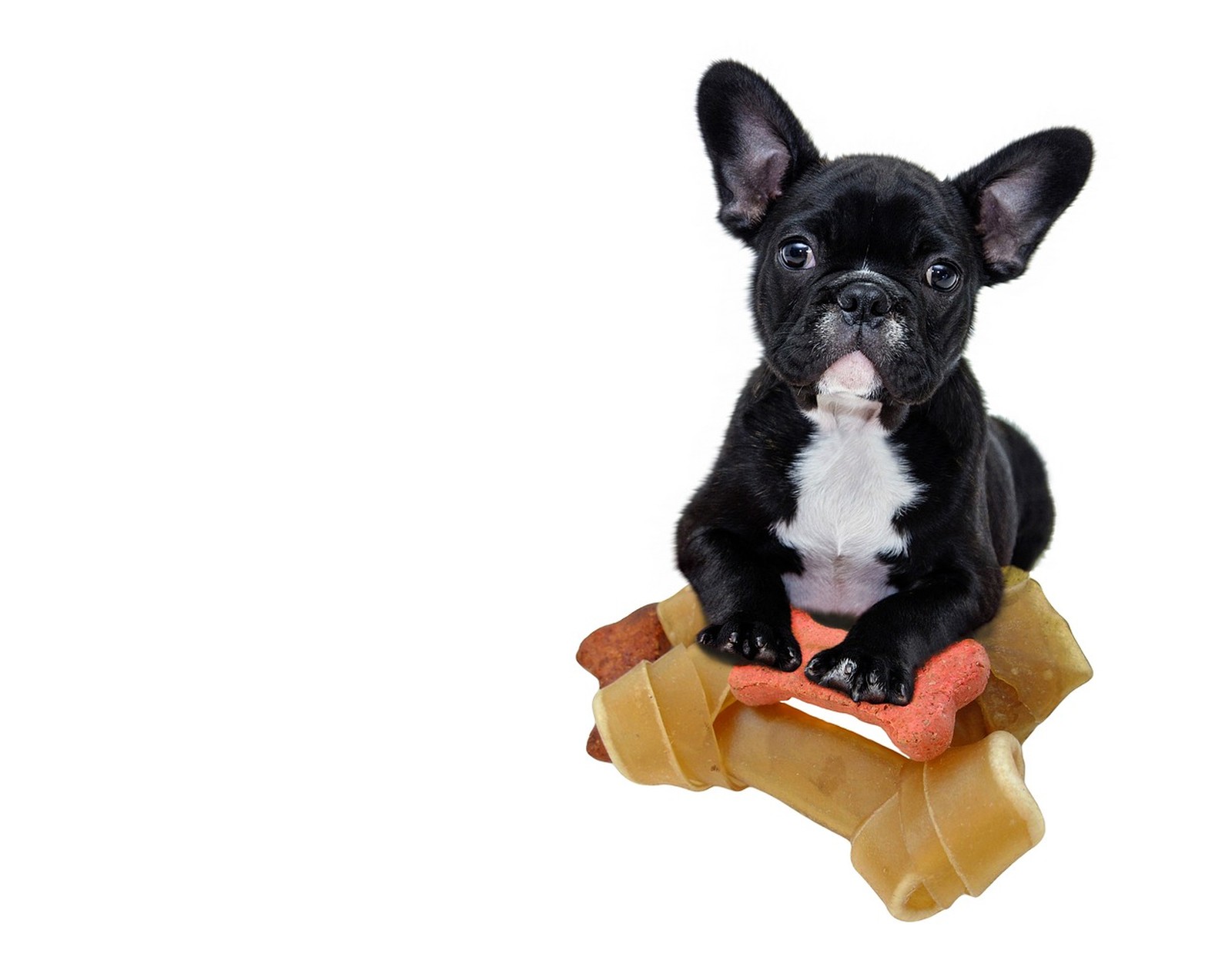
The Breed That Sets the Schedule
A French Bulldog does not fit around your moving plan; your moving plan fits around him. His flat face limits how well he can cool himself and how much exertion he can sustain, which turns ordinary moving logistics — a warm car, a long wait during loading, a house with the doors open and the heating of the day building inside — into genuine health considerations. Start from those limits and the rest of the preparation follows: short, cool, calm, and with his favourite people close by, because this breed's devotion is as pronounced as his snoring.
Pack his bed last and keep it unwashed, keep his food and feeding times identical, and if the new house is nearby, give him one short, unhurried visit in the cool of the day so the rooms are not entirely strange when he arrives for good.
Heat Is the Hazard to Plan Around
Choose his travel window for the coolest hours and treat the car as his life-support: air conditioning on before he gets in, water offered at every stop, and an absolute rule that he never waits in a parked vehicle while you deal with boxes, keys or paperwork. If moving day is hot and a friend with a cool house can host him, that is the kindest arrangement available — he misses nothing but stress.
Learn his personal breathing baseline now, while life is normal, so you can judge moving day against it. French Bulldogs are noisy breathers at rest, but panting that becomes frantic, drool that turns thick and ropy, a tongue that darkens, or a dog who cannot settle and cool down is an emergency picture, not a breed quirk, and needs a vet immediately. Dust and cleaning sprays at both houses can irritate his airways too, so keep him out of rooms being deep-cleaned and let fumes clear before his bed goes into a freshly painted space.
Records, Vets and the Practical Handover
Registering with a vet near the new home is a pre-move task for this breed, not an afterthought. Collect his vaccination record, any notes about his breathing, skin or back, and his current practice's details before the move, and book a simple introductory appointment once you arrive so the new vet has met him while he is well. If a sitter or family member will handle him on moving day, they need his specifics in writing: how far he walks, how heat affects him, what his normal breathing sounds like, and when to stop and call you.
In the new house, plan his world on one level if stairs are steep or frequent — his compact, front-heavy build makes him a poor stair athlete — and put a rug where he launches on and off the sofa, since repeated jumping is unkind to his back and joints.
Settling the Small Supervisor
Expect theatre, then acceptance. A French Bulldog may inspect the new rooms with deep suspicion, refuse the new garden for his toilet until the last possible moment, and then, once his bed and his human are installed in the same room, behave as though he designed the place. Keep the first days' visitors few, the rooms cool, and the routine tediously familiar, and escort him to his new toilet spot at his usual times until the geography clicks.
Prolonged refusal to eat, breathing that stays heavier than his normal in the new environment, or itchy, sore skin flaring in his folds are all reasons to use that new vet sooner rather than later.
Keeping his information in a KinsLe Pet Passport means his health notes, vet contacts and heat-care instructions travel as one packet you can hand straight to the new practice or the friend hosting him on moving day.