
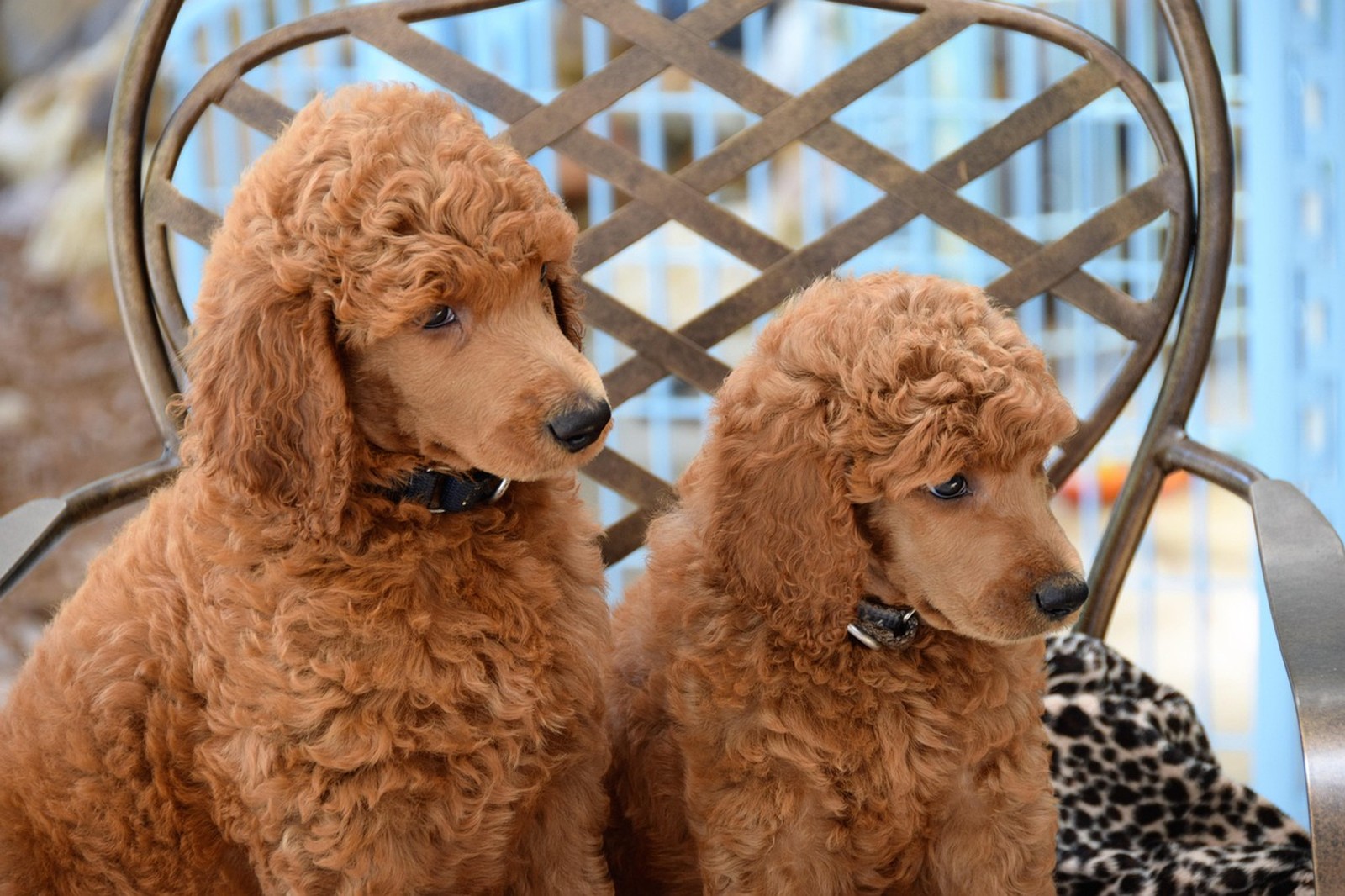
He Has Already Noticed You Are Moving
Miniature Poodles are observant, quick-learning dogs who track household patterns closely, so by the time boxes appear, your poodle has usually registered that something is underway. Trying to hide the process tends to backfire; a steady, visible routine around the changes works better. Pack in stages over days, leaving his area — bed, toys, grooming spot — completely normal until late in the process. Keep handling him exactly as usual, including brushing sessions if those are part of your week, because for a poodle the grooming ritual is familiar physical contact that confirms the relationship is unchanged even when the furniture is disappearing.
Rituals Are the Safety Net for This Breed
Meals, walks, play, and bedtime in their usual order and at their usual times carry a poodle through disruption better than extra fussing does. Keep his food the same, his bowl in its usual relative place, and his sleeping arrangement unchanged — if he sleeps in your room, that continues in the new house from the first night, with his bed placed before he arrives. Pack a small bag that travels with you holding his brush, a familiar toy, treats, and an unwashed blanket. Poodles can be picky under stress, so having his exact usual food available for the first days matters more than offering novel treats to tempt him.
Moving Day: Quiet Room, Closed Door
For a dog of his size and sensitivity, moving day itself is mostly noise, strangers, and doors standing open — a poor combination. Set him up in a finished, quiet room with his bed, water, and a chew, with a sign on the door, or arrange for him to spend the busiest hours with a familiar person in a calm house. He travels in your car in his usual carrier or harness setup. Bring him into the new house when it is quiet, let him out in one room first, and allow exploration to expand gradually; a poodle who is permitted to investigate methodically, room by room and always able to retreat to his bed, typically maps a new home quickly and confidently.
First Days: Brains Need Work in a New Place
A poodle's intelligence turns restless in an empty, echoing house, so unpack his toys early and keep up the games, training refreshers, and sniffing walks that occupy him. Walk the same short new route repeatedly until it is boring, then widen it. Check the new garden with a small, athletic dog in mind: poodles can squeeze and climb more than their elegant image suggests, so look at gaps under gates and fences he could test. Keep rules consistent with the old house — same expectations at doors, furniture, and greeting — because he will learn whatever pattern the first week teaches, good or bad, with impressive speed.
Reading Stress in a Dog Who Holds It Together
Poodle stress often shows as clinginess, watchfulness, a reduced appetite, or increased barking at new sounds rather than obvious panic. Keep arrivals and departures low-key, and give him predictable alone-time practice in short doses rather than a long first absence. If appetite does not return after a couple of days, or digestive upset, excessive licking, or restlessness persists, a vet visit is the sensible step to separate stress from illness. With KinsLe, Family Sharing keeps your poodle's grooming schedule, feeding, and preferences visible to everyone involved in the move, so the fine details he depends on are handled the same way by every helper.