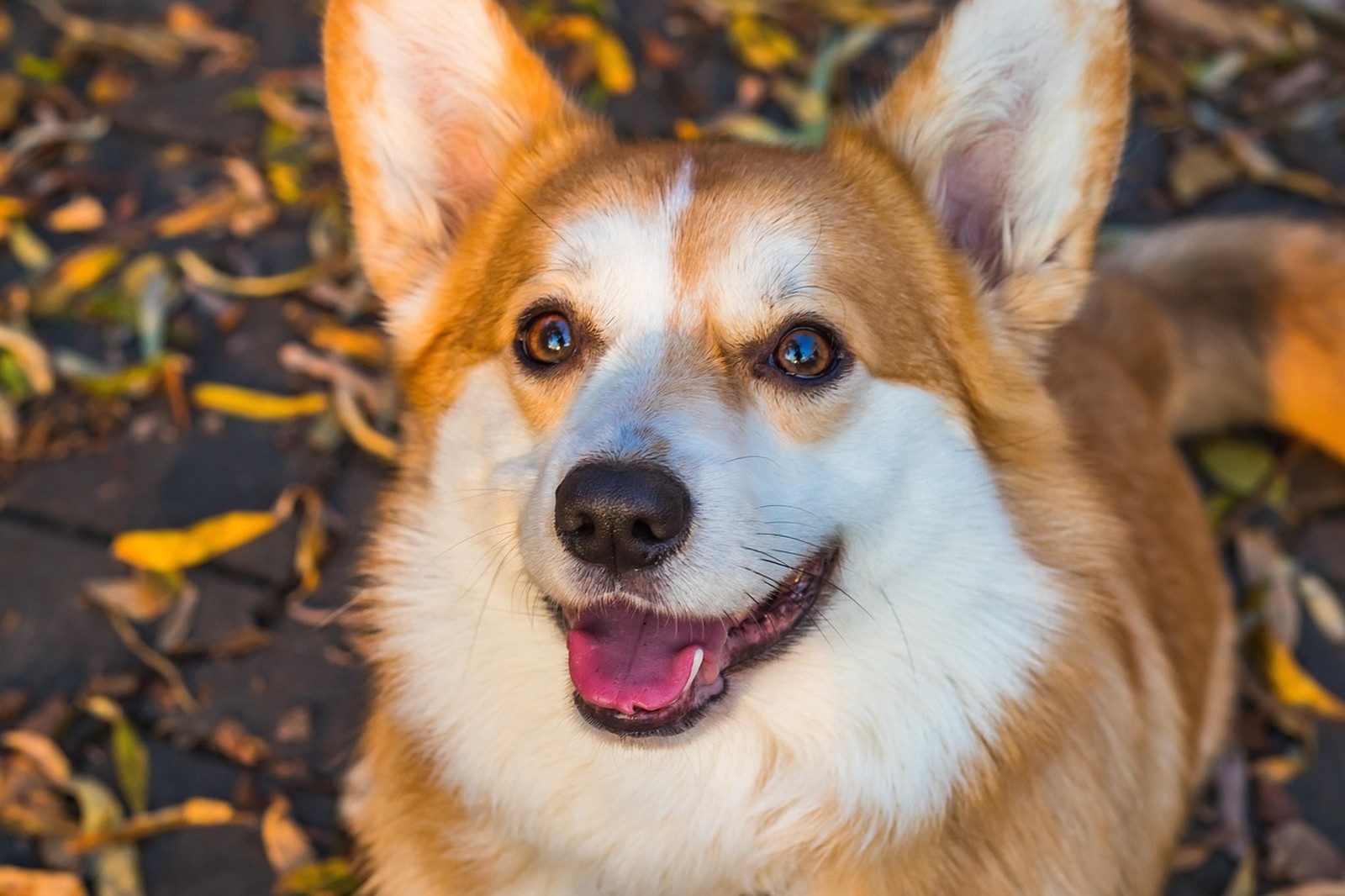
A Corgi Will Try to Manage the Move
Pembroke Welsh Corgis are herding dogs in a compact body, with strong opinions about where everyone should be and a commentary style that involves barking. A house move, full of people moving in the wrong directions at the wrong speeds, is exactly the sort of disorder a corgi feels appointed to correct. Preparation means keeping his own world orderly so he has less appetite for policing yours: meals, walks, play, and rest at their usual times, packing done in stages, and his bed and toys left in place until late. Mental work helps — puzzle feeding, training games, and sniffing walks tire a corgi's brain in a way that reduces his urge to direct traffic.
Moving Day Is Not a Herding Opportunity
During loading and unloading, he should be in a closed, cleared room with water and something to chew, with a sign on the door, or out of the house with someone he knows. This is not only about open doors. A corgi weaving among movers is at genuine risk from furniture and boots he cannot see coming at his height, and his instinct to nip at the heels of rushing people, manageable in normal life, is a real problem around strangers carrying heavy loads. Being elsewhere for the peak hours is the kind choice for everyone. He travels in your car, secured, with his familiar bedding, and enters the new house when it is calm enough to explore without an audience of strangers.
Plan the New House Around a Long Back and Short Legs
Survey the new home from corgi height before he arrives. Stairs he must use daily, high steps into the garden, slippery hard floors, and furniture he will attempt to launch himself from all deserve a decision in advance: a rug runner on slick flooring, a ramp or consistent carrying for steep steps if he is older, and blocked access to any staircase that is too steep for safe daily use. Corgis are prone to back strain, and a new house full of novel jumps and scrambles is a risky playground. Set his bed, bowl, and toys up first, on the floor level where he will spend most of his time, so his headquarters is established before he tours the rest.
First Walks and First Impressions
Corgis attach to routine and territory, and a confident first mapping of the new neighbourhood helps him claim it. Walk the same short route morning and evening for the first days, letting him sniff thoroughly — this is how he files the new area as known and safe. In the garden, check fences low down, where a short, determined dog tests boundaries, and confirm gates latch at a height he cannot nudge. Expect some extra barking at new sounds through walls and windows; respond with calm redirection to a chew or toy rather than joining the alarm, and it usually fades as the sounds become classified as ordinary.
When Settling Stalls
A corgi who stops eating, refuses walks he normally demands, or seems reluctant to move, jump, or climb should not be assumed to be sulking about the move. Reluctance to move in this breed can signal pain, including back trouble aggravated by new stairs or slippery floors, and it deserves a prompt vet check. Appetite loss or digestive upset lasting more than a couple of days also warrants advice. Through KinsLe, Family Sharing lets family and helpers all see your corgi's feeding, exercise, and stair arrangements in one profile, so nobody accidentally feeds him twice or lets him tackle stairs he is meant to avoid.