
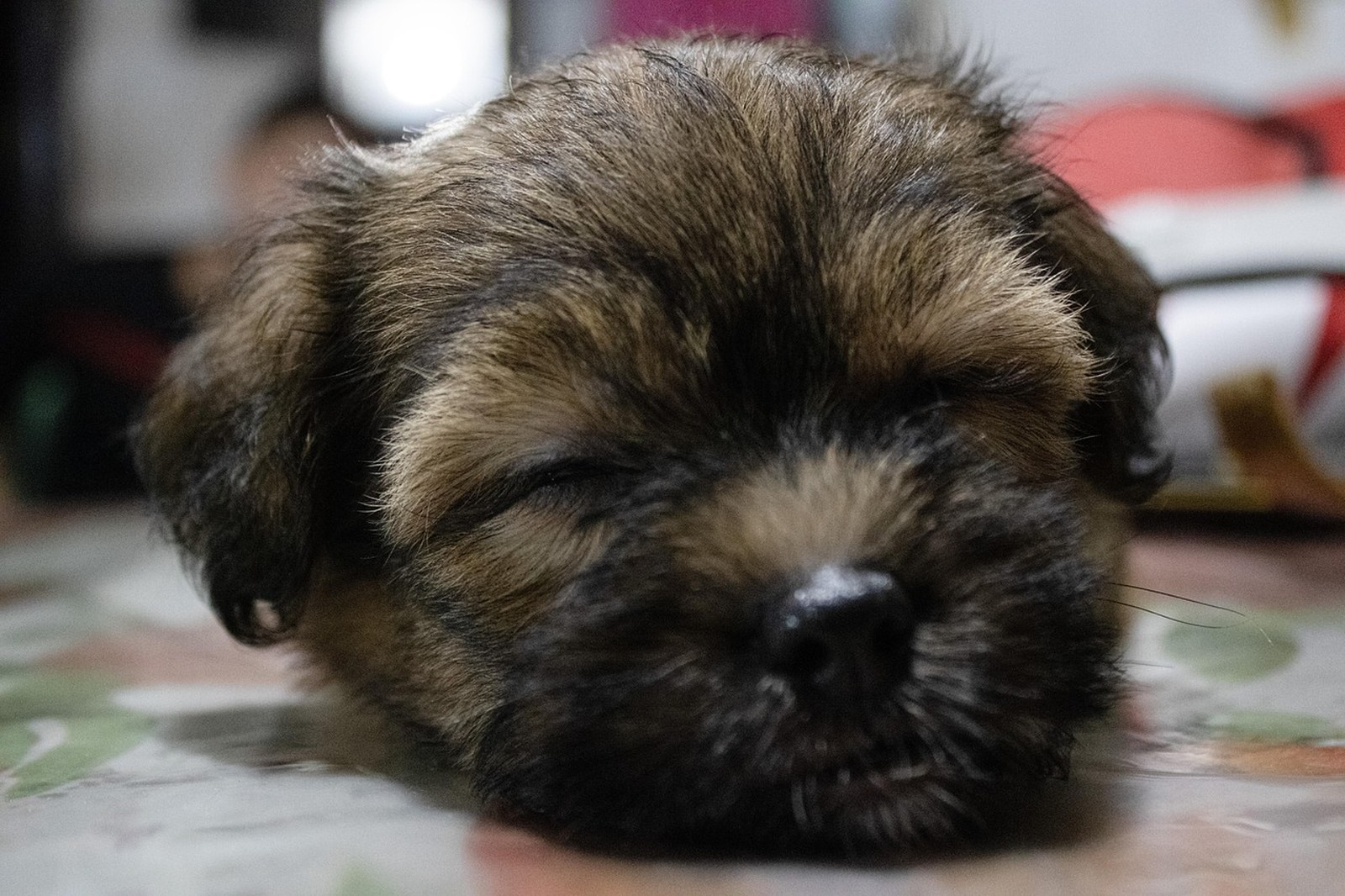
A Companion Dog Measures Change in Lap Time
A Shih Tzu was bred to be close to people in comfortable rooms, and that history shapes how he takes a move. He is less worried about territory than about whether his people, his soft places, and his daily attentions continue. Pack gradually so his favourite room stays recognisable for as long as possible, and deliberately protect the rituals he counts on: morning cuddles, being near you in the evening, his regular brushing. If those continue while boxes multiply, most Shih Tzus take the process in their stride. Keep his bed and blankets unwashed before the move, because familiar smell on his resting place is his portable version of home.
Keep Grooming and Comfort Routines Intact
His coat care is not cosmetic during a move — the familiar brush, handled the familiar way, is reassurance he can feel. Keep grooming sessions at their usual frequency, check his eyes and face folds as normal, and avoid scheduling a drastic haircut in moving week, which would change how he feels at exactly the wrong moment. Think about the new house from his height and temperature: Shih Tzus have short faces and do not handle heat or stuffy air well, so his resting spot should be cool, ventilated, and away from direct sun and draughts alike. Rugs on slippery floors help a small dog feel secure underfoot as he learns the new layout.
Moving Day From Knee Height
To a dog of his size, moving day is a forest of legs, swinging furniture, and doors he could slip through unnoticed. He should spend it in a finished, quiet room with his bed, water, and a chew, with a sign on the door — or better, in the calm home of someone he knows, being fussed over as usual. Carrying him to the car in his familiar carrier or in arms, rather than letting him walk through the chaos, prevents both accidents and panic. He enters the new house when it is settled and quiet, carried in, and set down in the room where his bed and blankets are already waiting for him.
Settling a Small Dog Into New Rooms
Let him explore one or two rooms first, staying close yourself, because your presence is his map. Show him where water is, where his toilet route begins, and keep that route short and consistent for the first days, taking him out frequently as you would a puppy while he learns which door means outside. Check the new home for small-dog hazards before he tours it: gaps under fences he could slip through in the garden, stairs he might attempt and tumble on, cleaning supplies at floor level, and reclining chairs or sofa beds that can trap a dog who likes to burrow. Most Shih Tzus settle quickly once laps, meals, and bed are operating normally.
Watch Breathing and Appetite in the First Week
Stress, heat, and excitement can all make a short-faced breed breathe harder, so keep his first days cool and unexciting, and take noisy panting, restlessness, or refusal to settle seriously in warm weather. A day of reduced appetite is common; continued refusal to eat, vomiting, laboured breathing at rest, or unusual lethargy in a dog who normally trots after you deserves a vet call rather than a wait-and-see approach. On KinsLe, Family Sharing keeps your Shih Tzu's grooming rhythm, feeding, and comfort notes visible to family and helpers, so whoever is holding him during the move is caring for him exactly as you would.