
Plan for Energy and Ingenuity in Equal Measure
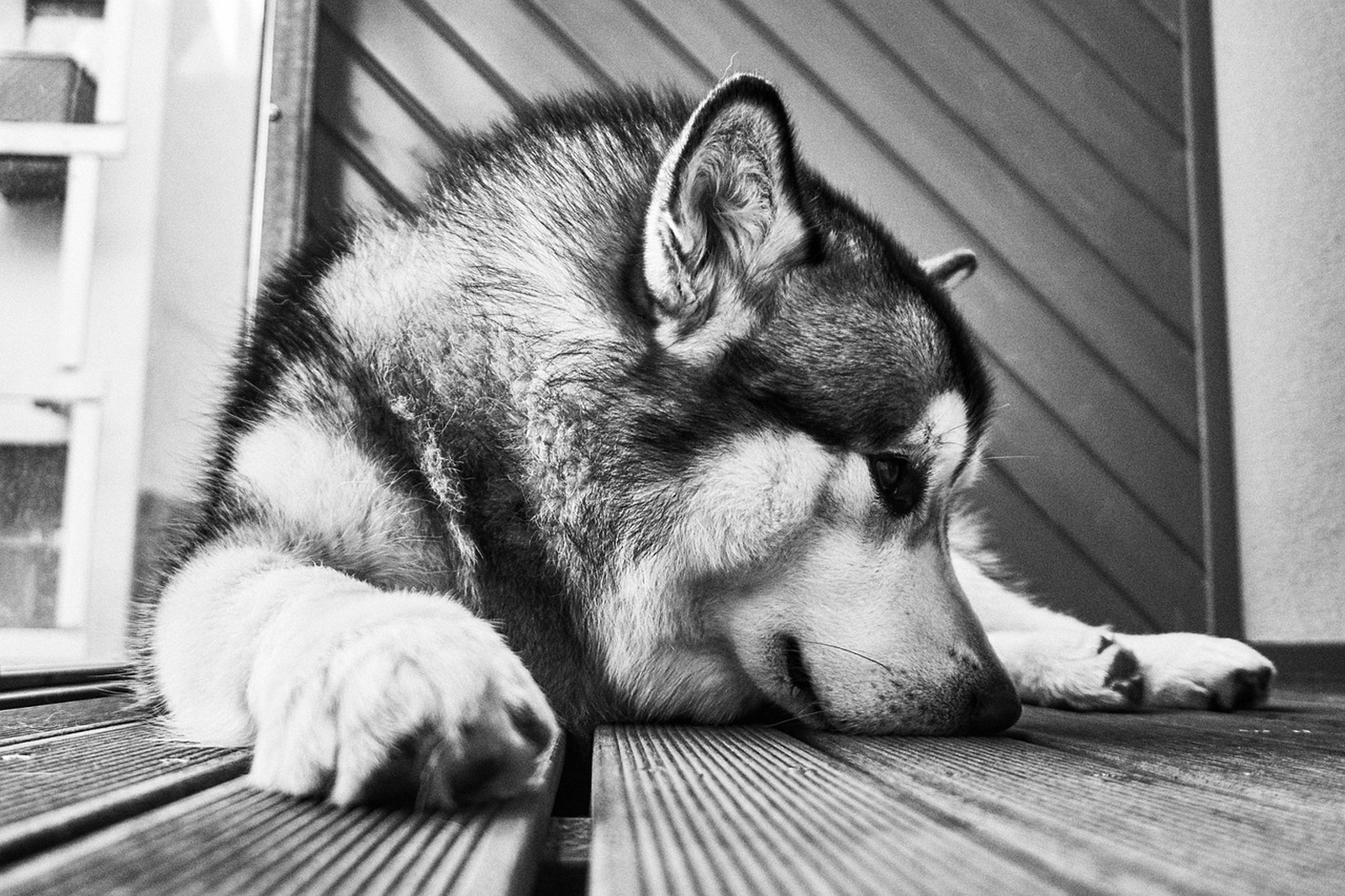
A Siberian Husky brings two things to a house move: serious athletic energy and a creative attitude toward barriers. Preparation has to answer both. Keep his exercise at full strength through the whole packing period — long runs, hikes, or pulling games that genuinely tire him — because a husky with energy in reserve will spend it on your packing, your boxes, and possibly your skirting boards. Introduce boxes and packing noise gradually where you can, with his bed and rest area kept intact until late, so the house changes around a routine that stays recognisably his. A tired husky in an intact routine is a manageable housemate; a rested, bored one is a project manager with teeth.
Audit the New Garden Before He Sees It
Do this before moving day, in person, thinking like a husky. Walk every metre of fencing: is it high enough for a dog who can jump and climb, solid at the base for a dog who digs with real commitment, and free of furniture or bins he can use as a launch platform? Check gate latches — many huskies learn to work simple ones — and look for gaps where a determined, slim-hipped dog could squeeze. Plan his first garden visits supervised and on a long line if you have any doubt, and do not leave him outside unattended until he has had days to test the boundary and fail. Inside, identify a cool resting spot, since a double-coated dog in a warm, busy house needs somewhere to sprawl and shed in peace.
Moving Day: Doors Are the Weak Point
During loading and unloading, doors stand open and attention is elsewhere, which is precisely the scenario huskies exploit. He should be in a closed room that is finished and checked, with a sign on the door, water, and something to occupy him — or out of the house with someone whose lead discipline you trust. Every transfer uses a properly fitted harness or collar he cannot back out of, and one person is always assigned to him rather than to boxes. He travels in your vehicle, and at the new house he enters after unloading, on lead, for a calm tour that ends at his ready-made bed, water, and first familiar meal.
The Soundtrack and the First Week
Expect singing. Huskies voice their opinions about new sounds, new neighbours, and altered routines, and some protest howling in the first nights is normal breed behaviour rather than a crisis. Tire him well in the evenings, keep bedtime rituals and sleeping arrangements as they were, and let neighbours know a dog is settling in if the first nights get loud. Walk the same local routes repeatedly so he maps the area by scent, always on lead — a husky's prey drive and wanderlust make off-lead trust in new territory a risk long after he seems settled. Most huskies relax once exercise, food, and sleep lock back into rhythm and the new yard's limits are understood.
When Restlessness Is More Than Husky Drama
Watch for the difference between theatrical complaint and genuine distress: refusal to eat beyond a day or two, pacing that does not break even after proper exercise, escape attempts that injure paws or teeth, or digestive trouble that persists. Those patterns deserve a vet conversation about stress or an underlying issue, especially if they are new for your dog. Through KinsLe, Family Sharing lets everyone helping with the move see your husky's exercise needs, feeding, and handling notes in one profile, so his high-maintenance routine is covered properly even on the days you are buried in boxes.