
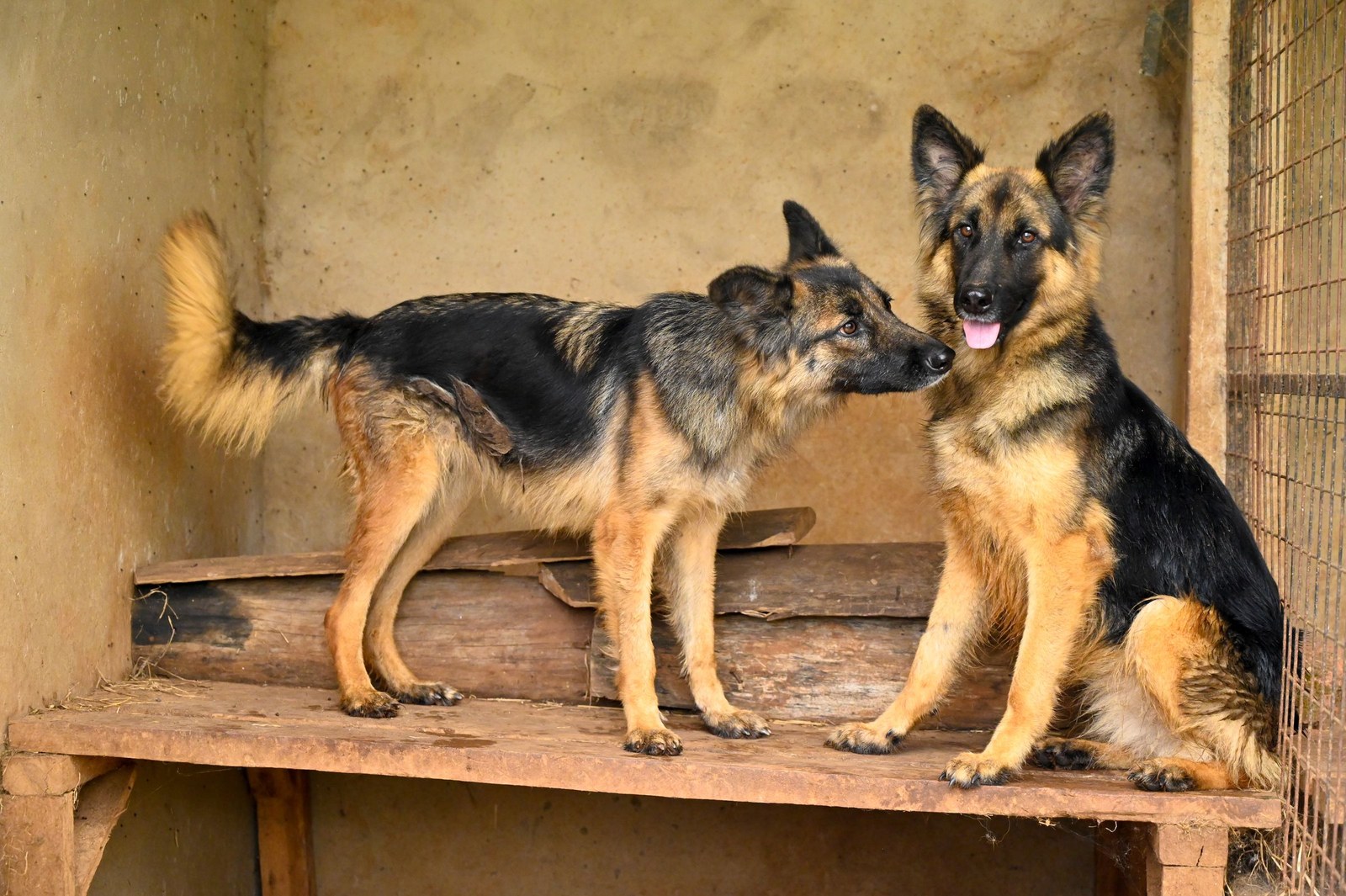
You can prevent most jealousy and resource guarding when bringing home a second dog by feeding the dogs separately, removing high-value toys and chews at first, and giving each dog individual attention, training, and undisturbed rest space from day one.
Understand What You're Actually Preventing
Resource guarding is normal dog communication — a dog protecting food, a chew, a bed, or a favorite person from a perceived rival. It becomes a problem when the new household forces competition. Your job in the first weeks is to make sure neither dog ever needs to defend anything, so guarding never gets practiced and the dogs learn that the other's presence predicts good things, not loss.
Set up before the new dog arrives: two feeding stations in separate, closable spaces; two water points; a rest area with a bed for each dog where the other cannot pester; and a short list of household rules everyone follows, including children — no taking items from either dog, no crowding a dog who has retreated to their bed.
Feed Separately and Manage the Valuable Things
Feed behind a door or gate, pick bowls up when finished, and do the same with long-lasting chews — or skip those chews entirely for the first weeks. Feed scattered treats in shared space only when both dogs are relaxed and can be rewarded for calm behavior at a distance from each other, which builds the association you want: the other dog appearing means treats arrive.
Pick up favorite toys initially and reintroduce low-value shared toys under supervision. If one dog fixates, hovers, or hard-stares over an item, remove the item neutrally for everyone rather than scolding — punishment around resources increases insecurity and can make guarding worse and sneakier. Rotate toys so novelty is shared, and give truly special items only during separate time.
Protect One-on-One Time and Rest
Jealousy often shows up around people, not objects: one dog inserting themselves whenever the other gets attention. Pre-empt it by scheduling individual time daily — a solo short walk or training game for the resident dog first, so their life visibly expands rather than shrinks, and separate training for the newcomer, who also learns faster without an audience. Train separately for the first weeks in general; each dog needs to learn cues from you, not copy or compete with the other.
Supervise all shared time early on and intervene calmly and early — redirect a pestering youngster, give a tired older dog an exit — before excitement tips into a scuffle. Crate or gate one dog happily with a chew when you cannot supervise, rather than hoping for the best.
If Guarding Appears Anyway
A growl is information, not naughtiness — never punish it away, since a dog who stops warning may escalate without one. Increase separation around the trigger, and if guarding is intense, frequent, or directed at people, bring in a qualified, force-free trainer or behavior professional promptly. Mention the household change at your next veterinary visit too, especially if an older dog's tolerance has suddenly dropped, since pain lowers patience.
Keeping the Fair Routine With Care Teams
Fairness survives busy weeks only when it is scheduled. KinsLe's Care Teams let you assign duties — feeding, walks, medications, and grooming — including separate feeding and one-on-one time for each dog, with timestamped completions, so you can confirm both dogs actually got their solo walk and their undisturbed meal rather than trusting that someone remembered. That visible fairness is what lets two dogs relax into being housemates instead of rivals. Care Teams on KinsLe can hold the fairness plan together by listing separate feeding spots and solo sessions for both dogs, with each finished task marked for the household to see.