
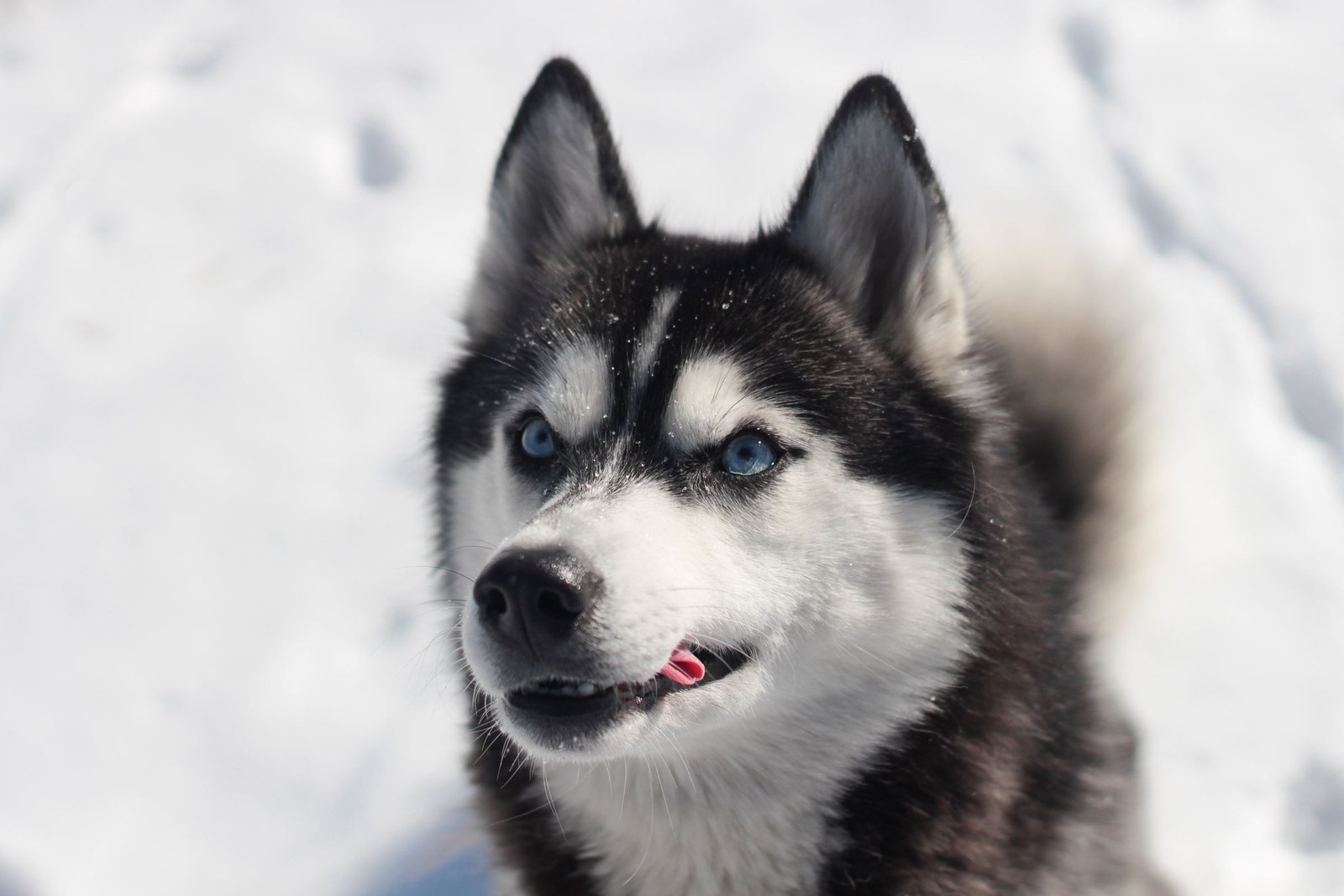
To protect your dog's paws from snow, ice, and salt, create a barrier before the walk and clean thoroughly after it. Dog-safe paw balm worked into the pads, or well-fitting booties your dog has practiced wearing indoors, shields pads from ice, packed snow, and chemical de-icers. After every winter walk, wipe or rinse the paws and dry carefully between the toes so salt and grit do not stay there to be licked off later.
Before the walk: barrier first
Balm is the simplest start. Apply a dog-safe paw balm generously just before heading out so it does not get licked or worn off on the floors first. It helps prevent snow from packing and reduces direct contact with salt. Reapply on long outings.
Booties give the most complete protection, but they need an introduction. Let your dog wear them around the house for short, treat-filled sessions first, and check the fit: snug enough to stay on, loose enough not to restrict circulation. Many dogs do a hilarious high-step for the first minutes, then forget them once the walk gets interesting. Trim long fur between the toes as well — that fur is where ice balls form and pull painfully with each step, a particular problem for spaniels, doodles, and other feathery-footed breeds.
On the walk: route choices matter
Where you walk is part of paw care. Fresh, untreated snow is gentler than heavily salted sidewalks. Where you can, steer toward grassy or snowy verges and away from the gritty, chemical slush at curbs and road crossings, where de-icer concentrates. Avoid walking through puddles of meltwater on treated roads, since that water carries dissolved salt and chemicals straight onto the pads.
Keep winter walks a bit shorter in extreme conditions, and watch your dog's gait as you go. Sudden limping, stopping to chew at a foot, or holding a paw up usually means a packed ice ball, a chunk of salt, or a small cut. A quick pause to clear the paw beats letting your dog chew at it all the way home.
After the walk: the rinse routine
Make the return home a ritual. Keep a towel and a shallow basin or paw-rinse cup by the door. Wipe or rinse each paw, spread the toes to check for trapped grit, salt crystals, or cracking, and dry thoroughly — moisture left between toes invites irritation and licking.
This step matters for health, not just comfort. Dogs lick their paws after walks, and ingesting de-icing chemicals can upset the stomach and worse. If your dog is licking paws constantly later in the evening, that is your cue that the rinse was missed or irritation has set in. Check pads weekly in winter for cracks, redness, or tenderness, and mention ongoing problems to your veterinarian, who can advise on care for sore pads.
Assign it so it never gets skipped with Care Teams
Winter paw care fails on busy days, not careless ones — the walk happens, the rinse does not. KinsLe's Care Teams let you assign feeding, walks, medications, and grooming duties, with completions marked by a timestamp, and winter paw care fits naturally into that list: whoever walks the dog confirms the balm before and the rinse after, right in the routine. For dogs walked by different family members or a midday walker, that assigned, timestamped habit means no one assumes someone else did it. Small paws, reliably looked after. After every snowy walk, paw care gets assigned to the person who walked the dog through the Care Teams list on KinsLe, so balm application and the rinse-off belong to a named caregiver rather than a hopeful assumption.