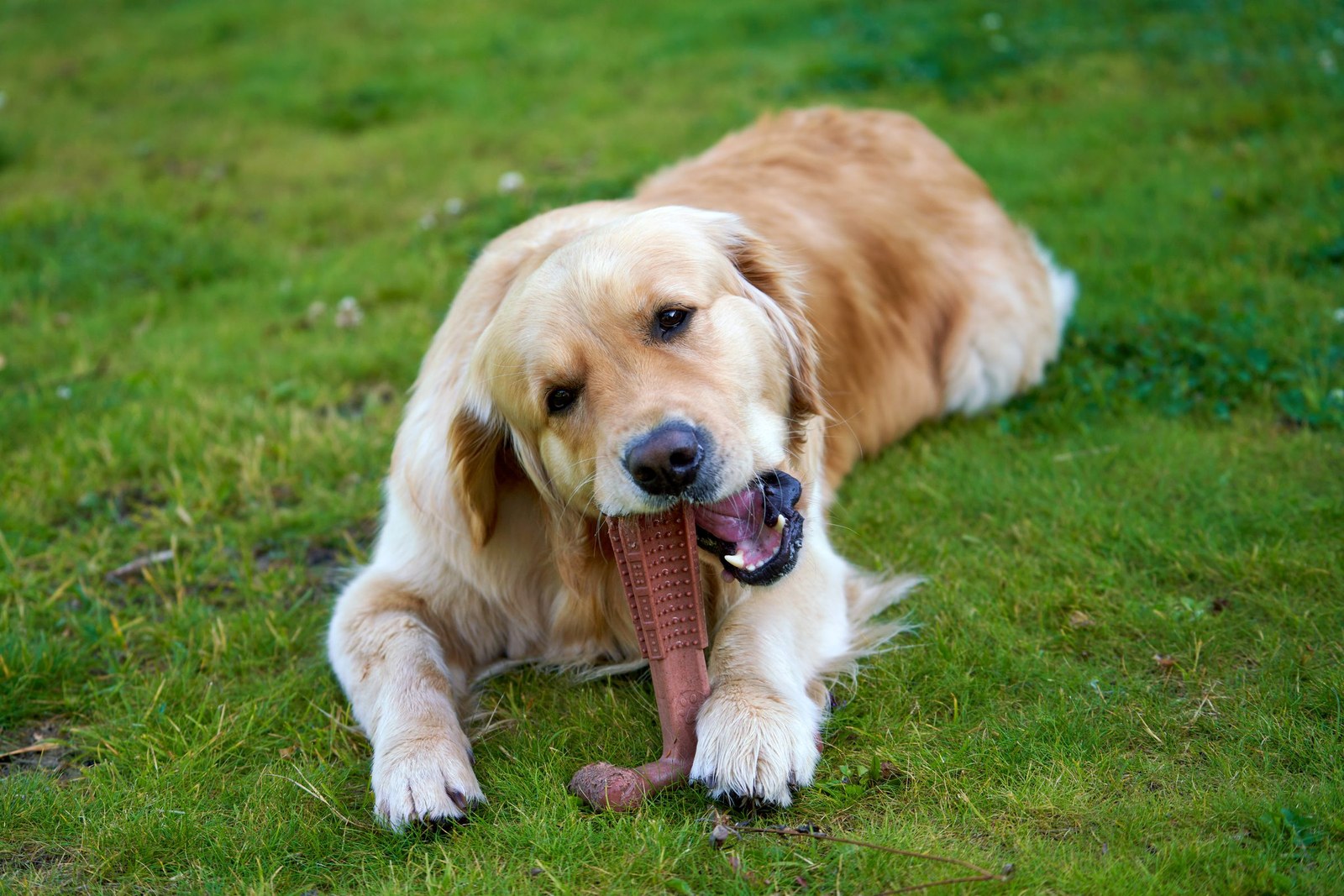
To puppy-proof your home for a chewing dog, get down to their eye level, remove or block everything chewable that is not theirs, and replace it with plenty of approved chew toys. Puppies chew because they are teething, exploring, and learning what belongs to them — your job is to make the right choices easy and the wrong choices unavailable, then supervise and redirect consistently until the habit is built.
See your home at dog height
Crouch or kneel in each room and look at the world from a foot off the floor. That view reveals the real menu: electrical cords trailing behind furniture, shoes by the door, remote controls on low tables, children's toys, books, and the legs of wooden chairs. Move valuables and hazards up or behind closed doors, bundle and cover cords, and treat every small object as a future chew target. Repeat the sweep as your dog grows — reach expands faster than most owners expect.
Set up zones instead of policing the whole house
Limiting access while your dog is learning makes supervision realistic. Use baby gates, exercise pens, or closed doors to create a dog-safe zone stocked with bedding, water, and chews, and expand freedom gradually as chewing manners improve. Free-roaming time should be earned in short, watched sessions at first. When you cannot watch, your dog belongs in the safe zone — not because they are being punished, but because unsupervised practice at chewing your baseboards builds exactly the habit you are trying to prevent.
Make the right chew the obvious chew
Stock a rotation of approved options matched to your dog's size and chewing strength: rubber chew toys, digestible chews appropriate for their age, and sturdy toys you can stuff with food to hold interest. Rotate toys every few days so old ones feel new again. When you catch your dog mid-chew on something forbidden, interrupt calmly, offer the approved toy, and praise like they invented good behavior when they take it. Redirect every time — consistency teaches far faster than scolding after the fact, which mostly teaches a dog to chew when you are not looking.
Protect the classic targets
Some items need their own plan. Shoes and laundry go behind closet doors, because fabric carrying your scent is the most tempting chew of all. Table and counter edges get cleared during the teething months. Trash cans get lids or cabinet homes. If a particular furniture leg keeps getting attention, keep redirecting and consider a vet-approved bitter deterrent spray as a backup — but management and supervision do the real work, not the spray.
Get the whole household on one page
Puppy-proofing fails when one person enforces rules another ignores. KinsLe Messenger is the per-pet communications hub, so your dog's chewing rules, safe-zone setup, and which toys are approved can live in one place the whole household checks — no more one person allowing on the couch what another forbids. Consistent rules from everyone are what turn a chewing puppy into a trustworthy adult dog. Post the chewing rules, safe-zone limits, and approved toy list in the KinsLe Messenger thread for your dog on KinsLe, so nobody at home invents a different rule at the gate.