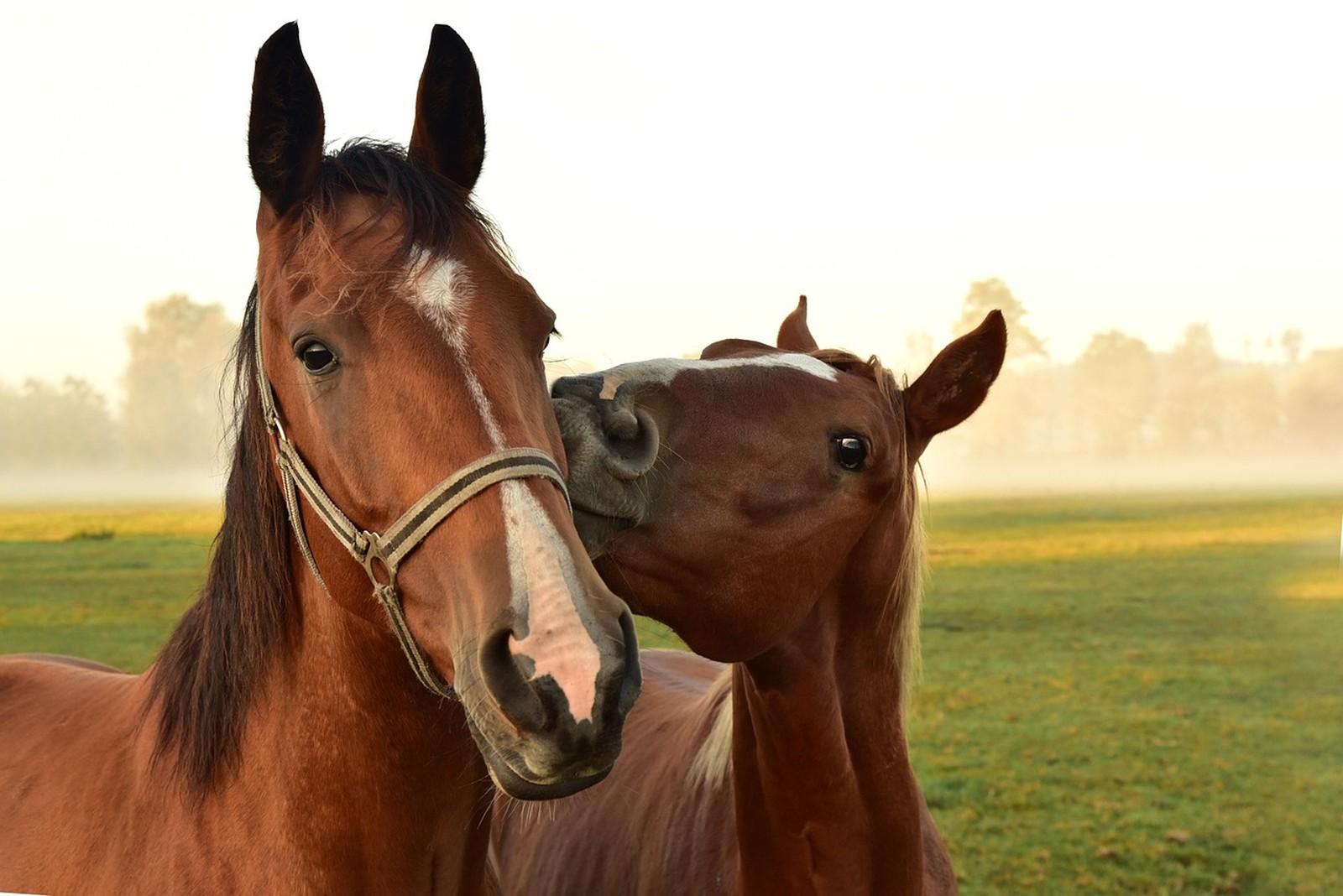
Bringing new animals home is the riskiest routine moment on any holding, because whatever they carry — worms, lice, a cough that has not shown itself yet — arrives with them. A proper quarantine turns that risk into information: three to four weeks of genuine separation while you watch, test and learn, before the newcomers ever share air, ground or equipment with the animals you already keep.
Set Up the Separation Before They Arrive
Quarantine housing needs to exist before the trailer does. Choose ground and shelter that share no fence line with your resident herd or flock, so noses cannot touch through wire, and keep enough distance that shared airspace is reduced as far as your holding allows. Give the pen its own buckets, forks and feed bins, marked if necessary, and never carry equipment back and forth between the two groups. Water and feed stay separate too: a shared trough or a hay net moved between pens quietly undoes the whole arrangement. Build the pen for healthy-looking animals under observation — an obviously sick animal belongs in a vet conversation before purchase, not in your quarantine shed.
The Daily Order Protects the Home Herd
Work your own animals first and the newcomers last, every day, without exception. That single habit means anything picked up in the quarantine pen is never carried back to the main group on your hands, boots or coat. Keep dedicated boots and tools at the pen, or clean them thoroughly before you step back onto home ground, and wash your hands between the two rounds. Feed, water and check the newcomers at the end of the day, and resist shortcuts on busy evenings: a quarantine that holds six days a week is a story you tell yourself, not a barrier.
Use the Weeks to Observe and Test
Separation time is wasted if it is only waiting. Watch each new animal daily for appetite, droppings, breathing, coughing, discharge, skin and coat condition, feet and general brightness, and write down what you see with the date beside it. Take faecal samples for worm-egg counts before worming, and worm only on veterinary advice based on those results, because routine blanket worming drives resistance. Treat any external parasites you actually find, and ask the seller direct questions if you have not already: health history, worming and vaccination dates, and the real reason for selling. If an animal develops scouring, lameness, discharge or goes off its feed during quarantine, a vet should see it and the clock should restart — an animal that was ill in week three has not finished three clean weeks.
Let Your Vet Work From a Written Record
A vet advising on quarantine can only go on what you report, so report in writing rather than from memory. Your dated notes — when a cough started, how appetite changed, what a faecal count showed — let the vet judge whether a sign is settling, worsening or part of a pattern across the group, and whether testing or vaccination is appropriate for this species and this source. General reading can help you decide what deserves a call, but diagnosis and treatment decisions belong to the vet who has the notes and can examine the animal.
Introduce Them Gradually at the End
A clean quarantine ends in stages, not in a gate thrown open. Start with fence-line contact for herd animals so ranks can be argued out through wire, then mix under supervision and expect some herd-order scuffles that settle once places are established. Keep watching through the first shared week, because stress can surface signs that quiet separation did not. If anything new appears, separate again and talk to your vet before assuming it is unrelated. All of it belongs in one place: inside the Pet Passport in KinsLe, one animal's quarantine dates, observations and test results sit in a single packet the vet can read in full.