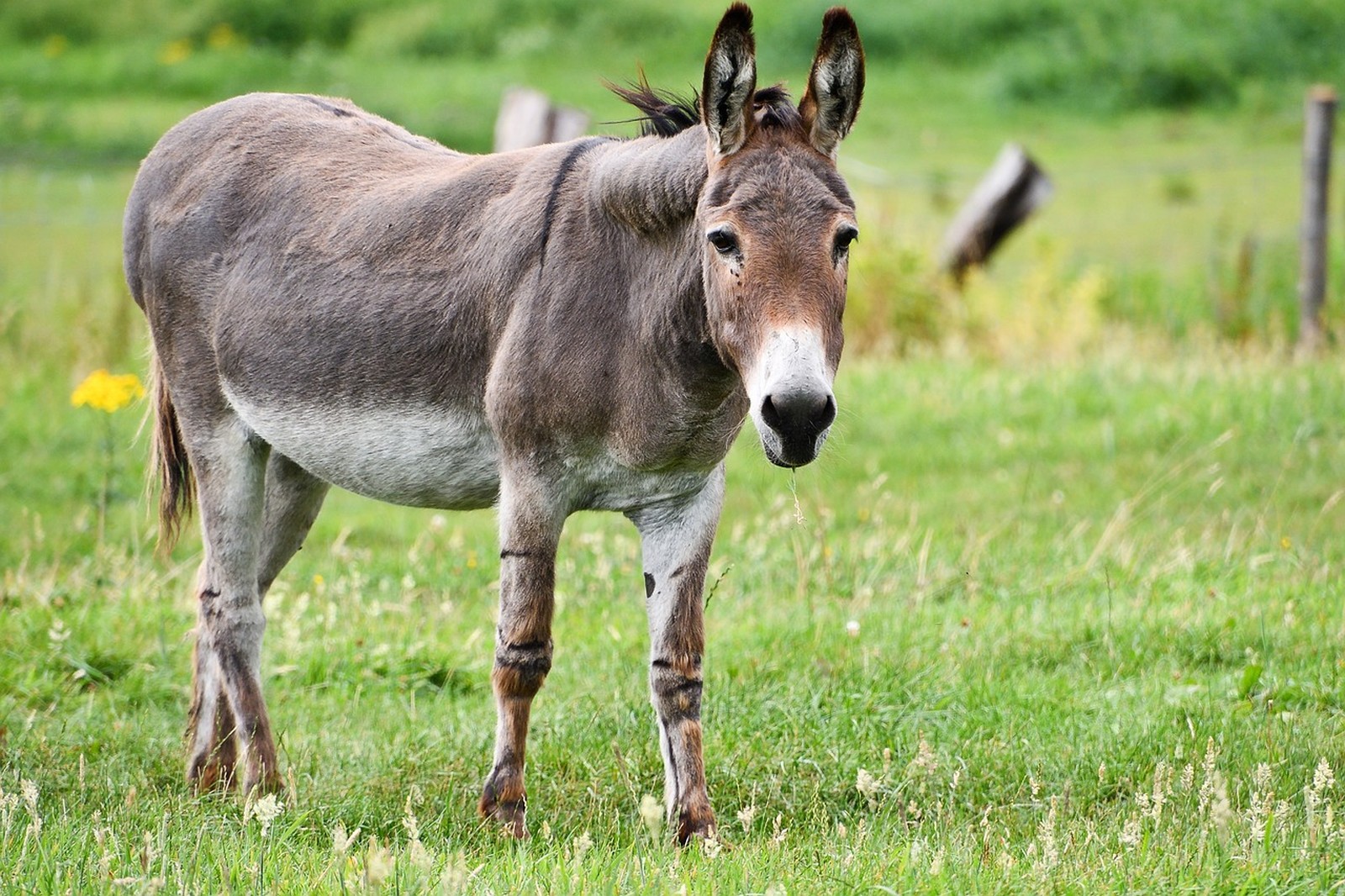
A donkey who arrives with no passport file and no known history is not a record-keeping problem; he is a fresh start, provided you are honest about the difference between history you know and history you are beginning. The mistake to avoid is reconstructing a plausible past — guessing that he must have been wormed, or backdating cover he may never have had. Vets would far rather work from a record that says unknown than from one that invents certainty, because treatment decisions, including tetanus cover, depend on knowing what is genuinely not known.
Open the Record With Identity and an Honest Unknown
Start the file with the donkey himself: name if he has one, colour, markings, distinguishing features, sex, and an estimated age, ideally your vet's estimate from his teeth at the first visit. Add the date he came to you and where he came from — sale, rescue, private home, unknown background — because source and arrival date frame everything that follows. Then write the sentence the whole record depends on: previous vaccination and worming history unknown, no formal passport file held. Record his weight or a weight-tape measurement and a condition note on the same page, because worming and feeding decisions from that point on will be judged against that baseline.
The First Vet Visit Sets the Programme
Book a vet visit early and treat it as the founding appointment of the record. Your vet can examine him, estimate his age, check his teeth, feet and condition, and set the vaccination programme that applies to donkeys in your situation — tetanus cover is a standard concern for equines with no known history, and your vet will advise what he needs and when boosters fall due. Do not copy a schedule from another animal's file or from general reading: the record should show the dates your vet actually gives, each entered as it happens, with the next due date written beside it at the time. The same visit starts the worming record on evidence rather than habit. Your vet may advise a faecal egg count before treatment, or treatment based on his condition and background, and either way the entry should capture the date, what was done or measured, the result where there is one, and the date of the next planned count or review, because a worming programme built on counts looks very different on paper from one built on routine dosing, and the record must show which approach you are following.
Keep Every Later Entry in the Same Format
From the founding visit onward, consistency is what turns a page of notes into a usable history. Enter every vaccination with its date, what was given in the terms your vet records, and the booster due date. Enter every worming event and every faecal egg count with its date and result, including counts that come back low or clear, because a run of clear results is itself evidence that shapes the programme. Add the surrounding health record in the same dated style — dental work, hoof trims, weight checks, illnesses and treatments — since a donkey's vaccination and worming history is read by vets alongside the rest of his health, not in isolation.
One Packet, Ready to Hand Over
The practical test of the record is whether a new vet, a yard manager or an emergency clinician can read it in two minutes and know exactly what is known, what is not, and what is due. Keep the opening identity entry, the founding vet visit, and every dated entry that follows in a single packet, updated as things happen rather than reconstructed before appointments. KinsLe's Pet Passport holds that donkey's identity details, vaccination dates, worming and egg-count results and wider health notes together in one portable packet, so a history that started from nothing becomes, entry by entry, a complete and trustworthy file.