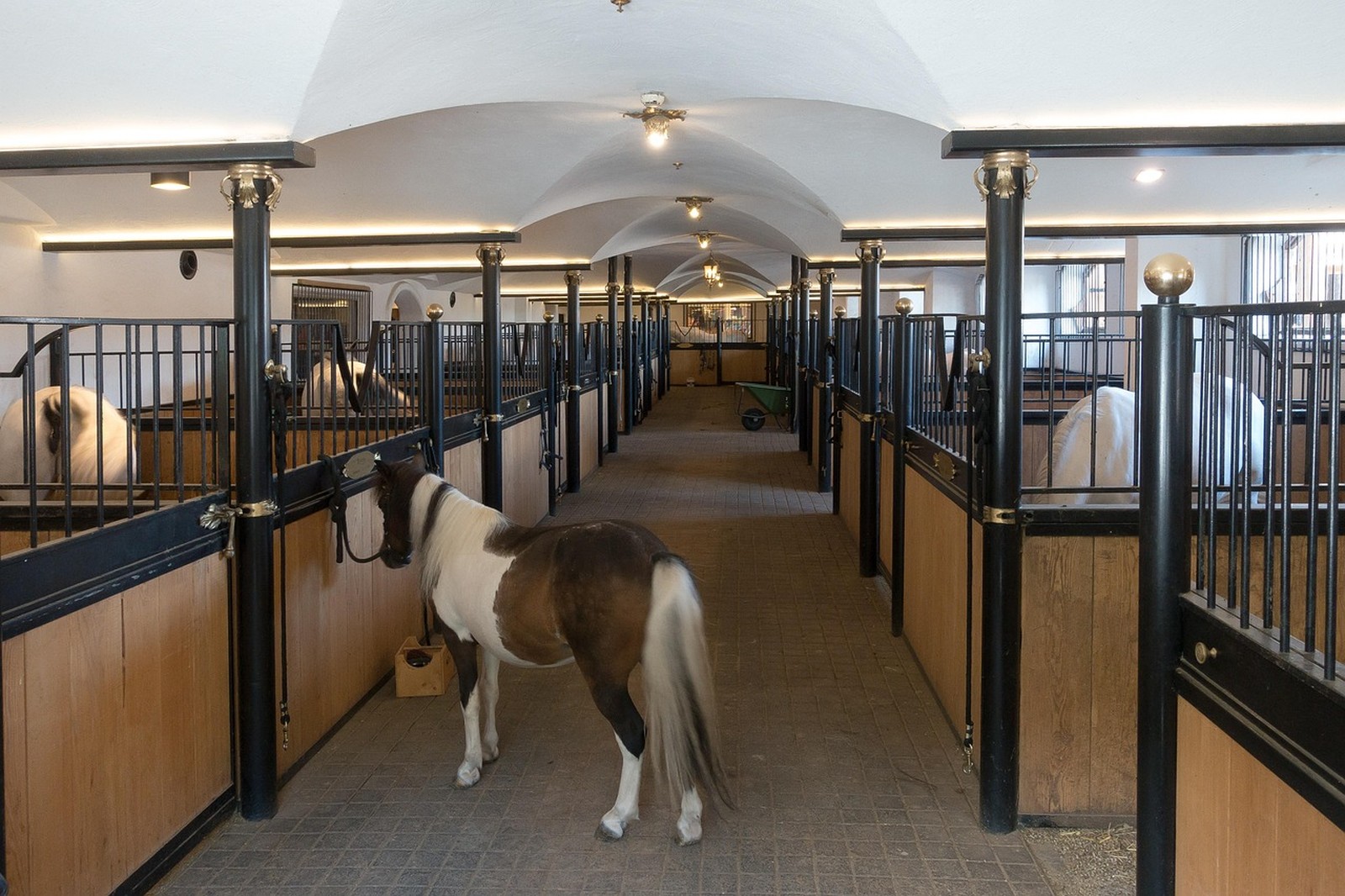
A horse and goats can share a barn happily, but they should not share living space inside it. The workable layout gives the horse a stall of its own, gives the goats a pen of their own, and keeps feed, hay, and equipment in an area neither species can raid. Plan the barn around daily movement: animals in and out without passing through each other's space, a wheelbarrow route to the muck heap, and water you can reach with a hose or bucket in freezing weather. Separate housing also lets you feed each species correctly, which matters more than any decorative finish.
Space for the Horse and Space for the Goats
A stall of about 12 by 12 feet suits many horses, giving room to lie down, rise, and turn without catching a hip on the wall; a larger horse needs more, and a miniature needs less. Fit a wide door, a hay rack or net at a safe height, and a water bucket or drinker the horse cannot tip. The goats need a dry pen with enough room for the whole group to lie down together, raised dry lying areas or sturdy platforms they can climb, and feeders set at goat height. Goats are agile escape artists, so use close-meshed fencing, latches they cannot nudge open, and no horizontal rails on the horse side that double as a goat ladder into the stall.
Feed and Hay Storage Away From Animals
Store hay in a dry, ventilated bay separated from the stalls by a door or gate, off the floor on pallets, with only the bales in current use opened. Keep bagged feed in sealed bins in a closed feed area, labelled by animal, because goat feed and supplements mixed for one species can harm the other if stolen, and a horse that breaks into rich feed faces a serious emergency. Keep medicines, wormers, and cleaning chemicals locked away from both species. A quarantine corner, ideally a spare stall or pen with its own bucket and tools, lets a new goat or a horse returning from a stay elsewhere settle apart until you are confident it is healthy.
Water, Flooring, and Daily Handling
Each section needs clean water checked at least twice daily, with buckets or troughs scrubbed regularly and a plan for breaking ice or using heated options safely where winters bite. Floors should drain, stay non-slip when wet, and take bedding that suits each area: deeper bedding in the horse stall, a dry lying pack in the goat pen, and swept aisles that do not turn slick. Put lighting where you actually work, hang tools out of reach of curious goats, and keep a fire extinguisher and a clear exit route, because hay, bedding, and timber make any barn a place where clutter has consequences beyond tidiness.
Fencing, Turnout, and Living Together Outside
Outside, the horse and goats may graze together if temperaments suit and the horse does not chase or guard hay, but provide several hay stations spaced apart and a route by which a goat can leave the horse's space quickly. Check fencing for both scales of animal: strong enough for a horse leaning on it, tight enough at the bottom for a kid or small goat. Watch feeding times closely for the first weeks, feed the horse separately in its stall, and separate any pairing where one animal loses condition, guards resources, or starts injuring the other, rather than hoping the arrangement settles by itself.
A small barn works when the layout does the separating for you, so daily care is calm rather than improvised. Share the finished plan, stall assignments, and who eats what with everyone who helps. Profile access for relatives in the household is available via KinsLe Family Sharing.