
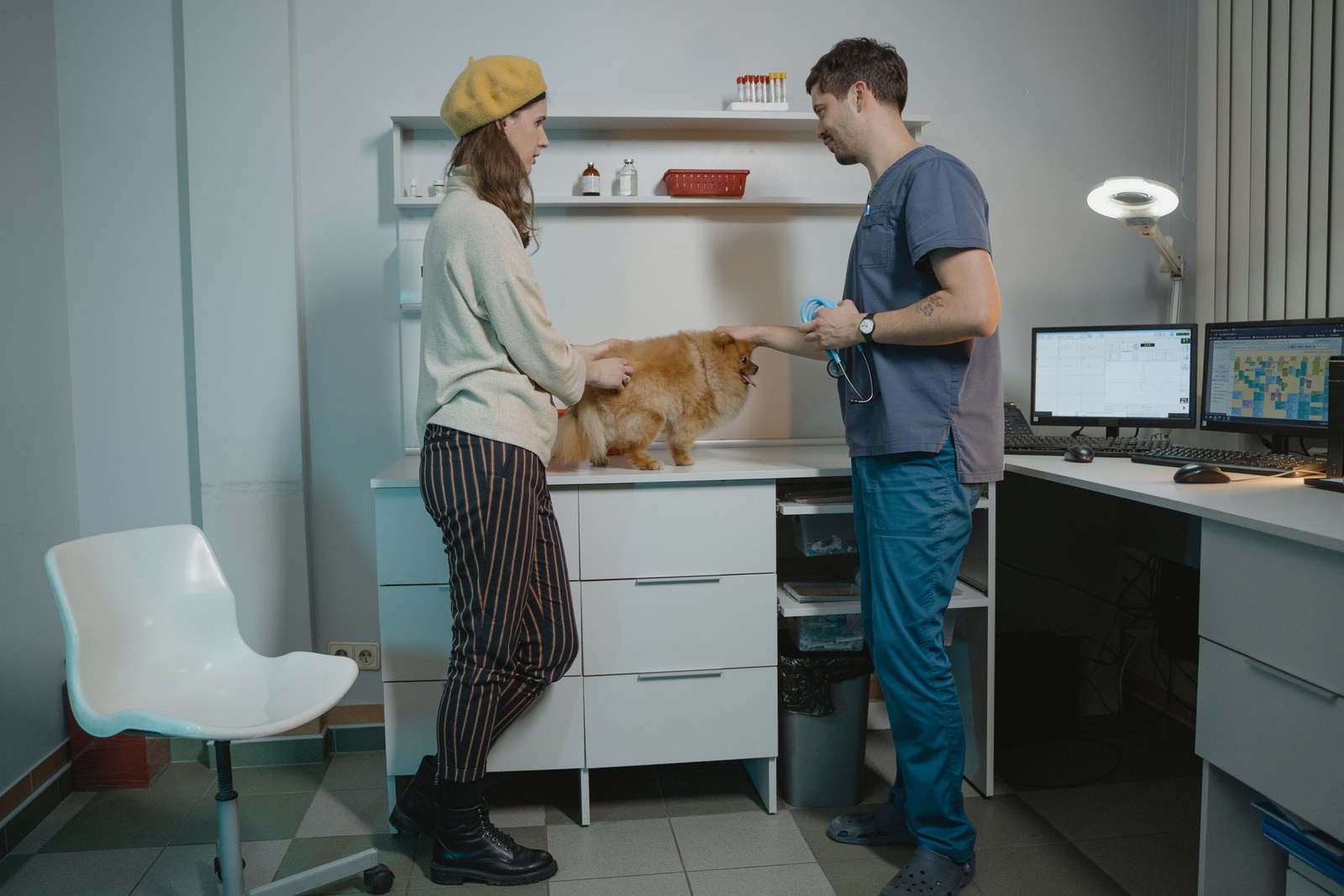
To share records with a new vet, ask your previous clinic to send records directly, and also bring your own summary — vaccines, medications, allergies, surgeries, and ongoing conditions — to the first appointment. Having your own complete copy means your dog's care never depends on one office's response time, a fax that never arrived, or a portal login you lost.
Before the First Appointment
Call or email your previous vet as soon as you book the new clinic, not the day before the visit. Clinics are busy, transfers can take a few days, and some need your written consent to release records. At the same time, assemble your own packet. If you changed vets because you moved, include records from any emergency or specialist visits too — referral letters, imaging reports, and discharge notes often hold the details a new vet most needs, and they do not always travel with the main file.
Check what actually arrived. A quick call to the new clinic — "Did you receive Milo's records from our old vet?" — prevents the awkward discovery, mid-exam, that nothing came through.
Your One-Page Summary Does Heavy Lifting
Even with a full transfer, bring a short summary in your own words:
- Vaccines and when each is next due
- Current medications and supplements, and what each is for
- Known allergies and any past reactions to medication, anesthesia, or vaccines
- Surgeries, major illnesses, and ongoing conditions being monitored
- Behavior notes that affect care, like fear at the vet, muzzle training, or handling sensitivities
- Diet, weight trend, and anything you are currently worried about
For a dog with a complex history — say, a French Bulldog who has had airway surgery, a skin allergy workup, and two emergency visits — that summary is the map that lets a new vet read a thick file in the right order. For a healthy young dog, it may be half a page, and that is fine too.
At the Visit: Close the Gaps in Person
Use the first appointment to confirm the new clinic's file matches reality. Ask them to verify vaccine due dates, scan or re-check the microchip number on record, and confirm your current phone number for test results and emergencies. Mention anything records cannot show: the limp that appears only after long hikes, the appetite change you have noticed this month. If your previous care involved a treatment plan still in progress, ask explicitly how the new vet wants to continue or review it — do not assume the plan transfers automatically with the paperwork.
Keep your own copy updated after the visit with any new findings, so the next share — to a specialist, boarder, or emergency clinic — starts from current information.
Pet Passport Makes Sharing a Single Step
KinsLe's Pet Passport can be shared directly with a new vet, giving them the full records packet — vaccines, medications, allergies, and documents — in one go, rather than you forwarding a chain of emails and portal screenshots. Because the packet lives with your dog's profile, it is the same complete set you would share with a sitter or an emergency clinic, always the current version. That consistency is the real win: one source, shared cleanly, instead of three partial versions in three places. Once that first visit ends, keep the Pet Passport file on KinsLe updated with the new findings, and the same complete packet will be ready for a specialist, boarder, or emergency clinic.