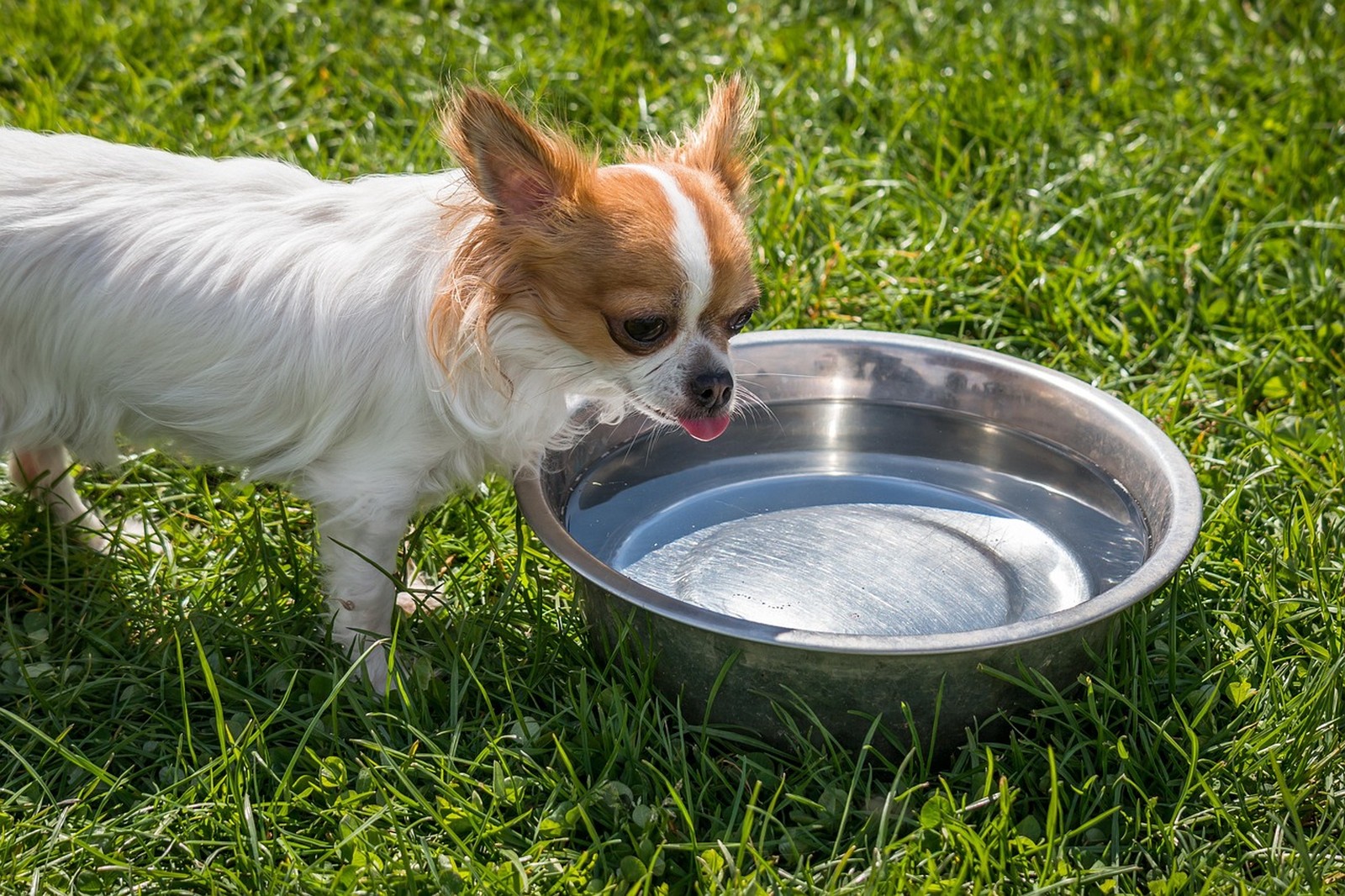
Dogs cool themselves mainly by panting, and panting loses to hot, humid air quickly — especially at the height of a dog, where heat radiating off pavement adds to the heat falling on him. Preventing overheating is mostly decisions made before the lead goes on: the hour, the route, the distance, and knowing in advance which signs end a walk on the spot. This is general guidance, not a substitute for a vet, and any dog showing the emergency signs below needs veterinary help immediately, not a wait-and-see.
Choose the Hour and the Route First
Walk early in the morning or after the day's heat breaks in the evening, and treat midday summer walks as cancelled rather than shortened. Pick shade and surfaces with intent: tree-lined paths, grass and earth tracks run far cooler than open tarmac, and a route past water a dog can paddle in is better again. Before setting out on any hard surface, press the back of your hand to it for five seconds; if you cannot hold it there comfortably, paws will burn and the air just above it is the hottest the dog will breathe. On humid days lower your ambitions further — humidity, more than sunshine, is what defeats panting.
Water, Rest and Pace on the Walk
Carry water for the dog, not just yourself, and offer a drink every fifteen to twenty minutes and at every shade stop, without waiting for frantic lapping. Let him set a slower pace, sniff in the shade and stand in any stream or paddling spot you pass; wetting the belly, armpits and paws helps him shed heat. Keep the walk shorter than his winter route and build the return leg in early, turning back while he is still keen rather than when he is flagging. Ball games and hill sprints are the first things to drop in hot weather — a dog chasing will keep going long past the point his body wants to stop.
Dogs Who Overheat Fastest
Flat-faced breeds struggle most, because shortened airways make panting inefficient; they can overheat on a mild day at a gentle pace. Puppies, elderly dogs, overweight dogs, thick double-coated breeds and dogs with heart or airway conditions all sit in the high-risk group, as does any dog simply unfit after a lazy spring. For these dogs, the safe summer pattern is short, early, shaded toilet walks and play moved indoors or into the cool of evening. No dog should ever be left in a parked car in warm weather, even briefly with windows cracked — that risk dwarfs anything on a walk.
Warning Signs That Mean Stop and Get Help
Heavy panting that does not ease with rest, thick drooling, a bright red or muddy-coloured tongue and gums, wobbliness, vomiting, diarrhoea, confusion or collapse can all signal heatstroke, which is an emergency that can worsen fast. Stop, move into shade, and contact a vet or emergency clinic straight away and follow their instructions; while you arrange transport, vets generally advise cooling with cool — not ice-cold — water and air movement, and not walking the dog home or delaying the call to finish the route. Prevention stays a team habit, and KinsLe's Care Teams helps by letting you assign this dog's walks only to the cool hours, attach his risk notes and route to the task, and timestamp each completed outing, so a helper never has to guess whether a midday walk was approved.