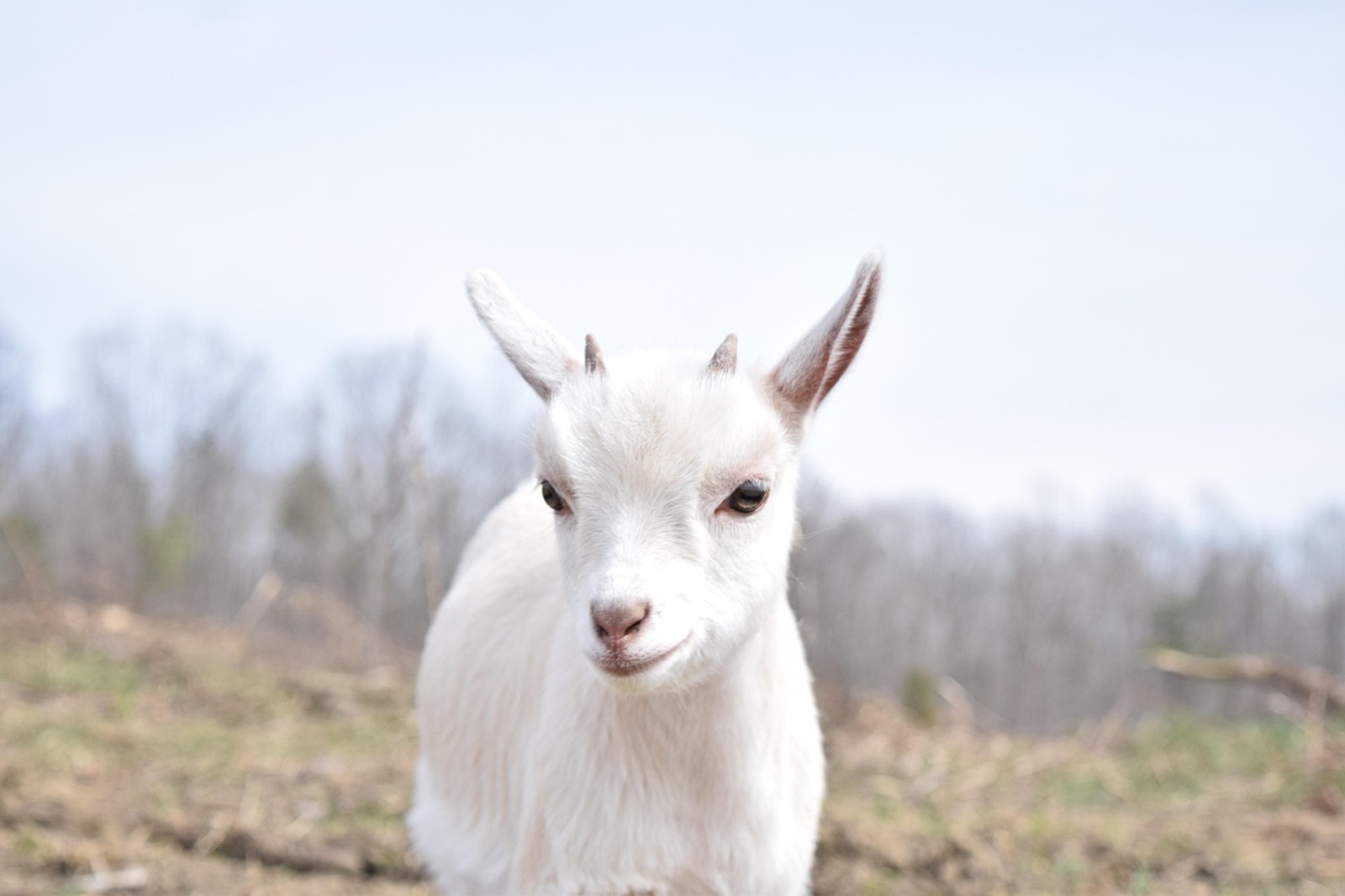
Goats escape for honest reasons: the grass on the other side looks better, a companion is over there, or the pen offers nothing to do. They test fences the way toddlers test cupboard doors, constantly and with their whole bodies, leaning, rubbing, climbing and working at fittings with their lips. Your job is to make the boundary boring and the inside interesting.
Build a Fence a Goat Cannot Defeat
Height alone rarely holds goats; construction matters more. Woven wire fencing at least four feet high, with mesh small enough that a kid cannot push its head through and get trapped by its horn buds, is the usual starting point for a pen. Keep the bottom wire close to the ground and the fence pulled tight, because a goat will push under a slack bottom edge or through a sagging corner long before it tries the top.
Add an electric offset wire on the inside at roughly nose height, and a second one near the top of the fence where climbers put their front feet. A goat that has met the offset wire a few times stops leaning and rubbing on the mesh itself, which also makes the fence last far longer. Keep vegetation off the wires, check the energiser is working, and treat any day the electric line is down as a day the fence is only half built.
Walk the whole boundary slowly and look at it from goat height. Corners where posts lean, boards that flex, and patches where the ground dips under the wire are the exits; a goat finds them by daily testing, so your walk has to be as regular as its testing.
Gates, Latches and Launching Points
Many escapes go through the gate rather than over the fence. Hang gates so they cannot be lifted off their hinges, and fit a latch that needs two different movements to open, then back it up with a chain and a clip. Goats learn a simple sliding bolt or a flip latch remarkably fast, and a gate that swings inward against a stop is harder for a leaning goat to force than one that swings toward it.
Then remove the furniture of escape. Stumps, crates, feed bins, dog houses and shelter roofs placed near the fence become steps, and a goat standing on a shelter roof needs a much lower fence to clear. Keep anything climbable well away from the boundary, and watch for new launching points you create yourself, such as a hay feeder you moved for winter.
Make the Inside Worth Staying In
A fed, occupied goat tests the fence less. Provide browse or branches to strip, hay in more than one place so lower-ranking goats eat in peace, mineral access, clean water, and dry shelter from rain, because a goat standing miserable in mud will go looking for better. Climbing is a need rather than a vice for goats, so give it a legal outlet: sturdy platforms, ramps or large rocks placed in the middle of the pen, away from every fence line.
Company matters too. A goat kept alone, or separated from a bonded companion by the fence it keeps crossing, is usually escaping toward something specific; house companions together wherever you can, and note which goat leaves, when, and toward what, because that pattern tells you whether you have a fence problem or a social one.
If a goat still gets out, do not chase it round the neighbourhood and then return it to the same pen unchanged. Catch it calmly, walk the boundary again the same day, and fix the exact point it used. Putting the weekly fence walk, energiser check and latch check into KinsLe's Care Teams, with each round marked complete with a timestamp, keeps those checks happening on schedule instead of only after the next escape.