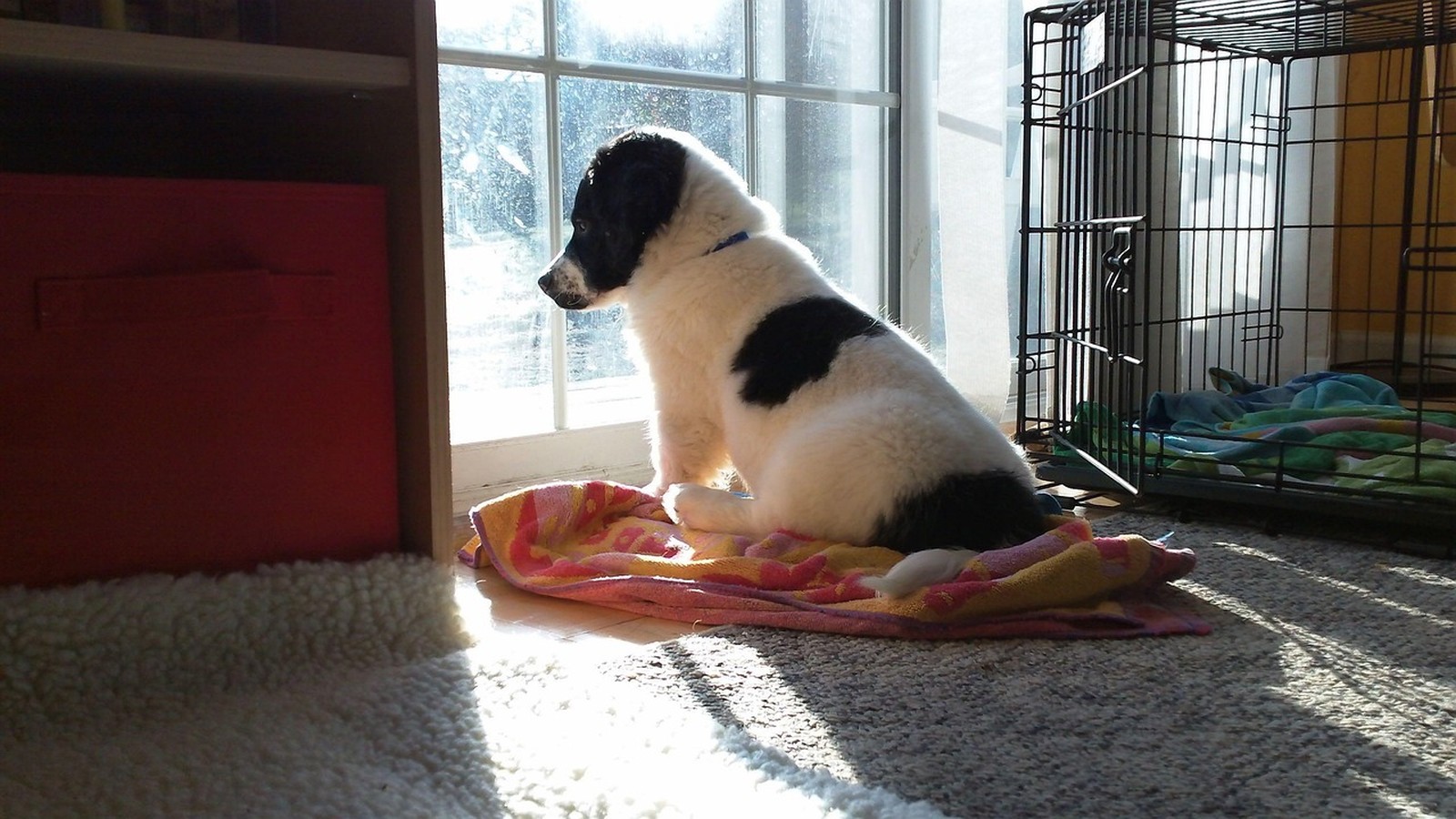
Timing follows growth, not the calendar alone
Puppy food is built for construction: more protein, fat, and carefully balanced calcium and phosphorus per mouthful than an adult diet, because a growing body is building bone, muscle, and brain at speed. The switch should happen when growth is nearly finished, and that moment arrives at very different ages by size. Small breeds often reach adult weight before their first birthday, medium breeds a little later, and large and giant breeds keep growing well into their second year, with joints that are still vulnerable to nutritional imbalance. Your veterinarian can confirm at a routine visit whether your dog's growth has levelled off, and dogs who have been neutered may need the lower-calorie adult diet a touch sooner, since their energy needs drop while their appetite does not.
Mix gradually over about a week
A dog's digestion adapts to the food it knows, so an overnight change is the most common reason a healthy puppy develops loose stools during a switch. Begin with a bowl that is roughly three-quarters puppy food and one-quarter adult food for a couple of days, move to half and half, then mostly adult food, and finally all adult food, spending a couple of days at each stage. Dogs with sensitive stomachs deserve a slower version of the same ladder, stretching each stage until stools stay firm. Serve the mixture at the usual mealtimes and resist adding extras, toppers, or new treats during the same week, because if the stomach wobbles you want only one possible cause.
Recalculate the amount — adult food is a different density
The new food will not match the old one scoop for scoop. Adult diets are generally less calorie-dense than puppy diets, but portion guides still differ between brands and formulas, so read the feeding guide on the new bag and weigh the food for the first week rather than trusting the familiar scoop. Then judge by the dog in front of you: ribs felt easily under a thin covering, a visible waist from above and from the side, and steady energy. Young adults leaving puppyhood often gain weight quietly in the months after the switch if puppy-sized portions continue out of habit, so a weigh-in a month after the change is a useful checkpoint.
Watch the response, not just the bowl
A good transition is boring: firm stools, an enthusiastic but not frantic appetite, a glossy coat, and stable weight. Temporary mild softness on the first day of a new ratio usually settles, but persistent diarrhoea, vomiting, itching, ear flare-ups, or a dog who refuses the new food outright are reasons to pause, return to the last ratio that suited him, and talk to your veterinarian if signs continue. Keep the old bag until the switch is complete so you can step back a stage if needed, and store both foods sealed and cool so freshness does not become a second variable. Note which formula you landed on and how the transition went, because that record helps if you ever change foods again.
Settle the household on the new routine
During a transition week, mixed bowls confuse anyone else who feeds the dog — a partner may serve pure puppy food while you are mid-ladder, undoing the gradual work. Writing the current ratio and the day it changes on the feeding instructions prevents that, and marking each meal as served keeps the portions honest.
KinsLe Care Teams carries that transition clearly: the feeding duty can show today's puppy-to-adult ratio and tomorrow's step, so every person who fills the bowl moves your dog onto adult food at the same steady pace.