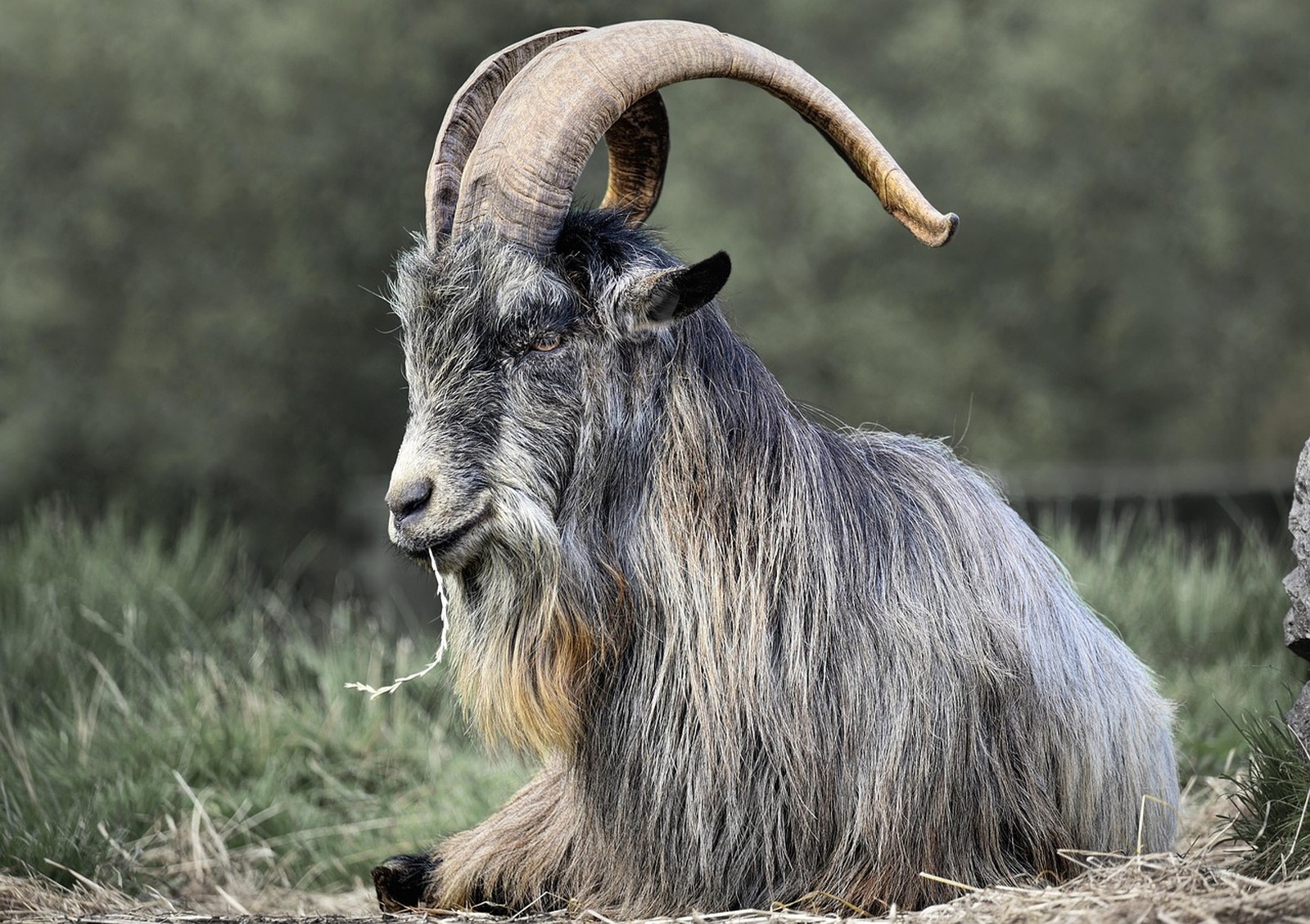
Goats are not disobedient when they ignore you; they are unconvinced. A recall works when the goat is certain, from experience, that answering pays better than whatever it is currently eating, and that certainty is built by never letting the signal lie.
Choose One Signal and Never Change It
Pick a short call, such as a name plus a single word, and pair it with the same sound every time: the rattle of the same feed bucket or a scoop shaken in a tin. Use that exact combination and no other. Family members who each invent their own call, whistle, or bucket noise dilute the lesson, so write the chosen call down where everyone who feeds the goats can see it.
The reward should be food the goats genuinely value but do not get freely all day: a small handful of their usual concentrate, a few pieces of a favourite vegetable, or a commercial goat treat broken small. Keep portions small, because a training session involves several rewards and goats fill up and wander off once they are full; the goal is a taste that confirms the promise, not a meal.
Build the Habit in a Small Pen
Start inside the smallest pen or yard you have, with the goats only a short distance away. Shake the bucket, give the call once, and wait rather than repeating the call in a rising chant. The moment a goat reaches you, reward it immediately and let it eat in peace. Repeat a handful of times in a session of a few minutes, then stop while the goats are still keen.
Work at this range for several days until every goat turns and comes promptly on the first call, including the shy one who hangs back; she needs the reward delivered where she stands rather than having to push through bolder herd mates. Then increase the distance a step at a time, and only later move the practice to a larger field. If a goat stops responding at a new distance, you have moved too fast: go back to the last distance that worked and rebuild from there.
Call at times unconnected with feeding as well, reward, and let the goats go back to grazing. A call that only ever means the evening feed teaches goats to come at feeding time, which they were going to do anyway.
Protect the Signal
Never use the recall solely to catch a goat for something it dislikes, such as hoof trimming, injections, or loading. If you must catch a goat for handling, walk it down calmly or use a feed station, and on the occasions when the call does lead to handling, follow the handling with a reward and release. One betrayal teaches a whole herd, because goats watch each other closely and copy the wary individual.
Do not chase a goat that has not come. Chasing turns the game into pursuit, rewards evasion, and makes the next recall harder; instead, wait, call once more, or leave and try again later when the goats are less absorbed. End every session with the goats having arrived and been paid, even if you have to shorten the distance to get that ending.
Within a few weeks of short daily practice, a herd usually comes at a run, led by the boldest goat and followed by the rest, which makes moving fields, checking a sick animal, or getting everyone in before a storm far simpler. Scheduling those brief daily sessions in KinsLe's Care Teams, and noting which goats arrived promptly and which lagged, keeps the training consistent across everyone who handles the herd.