
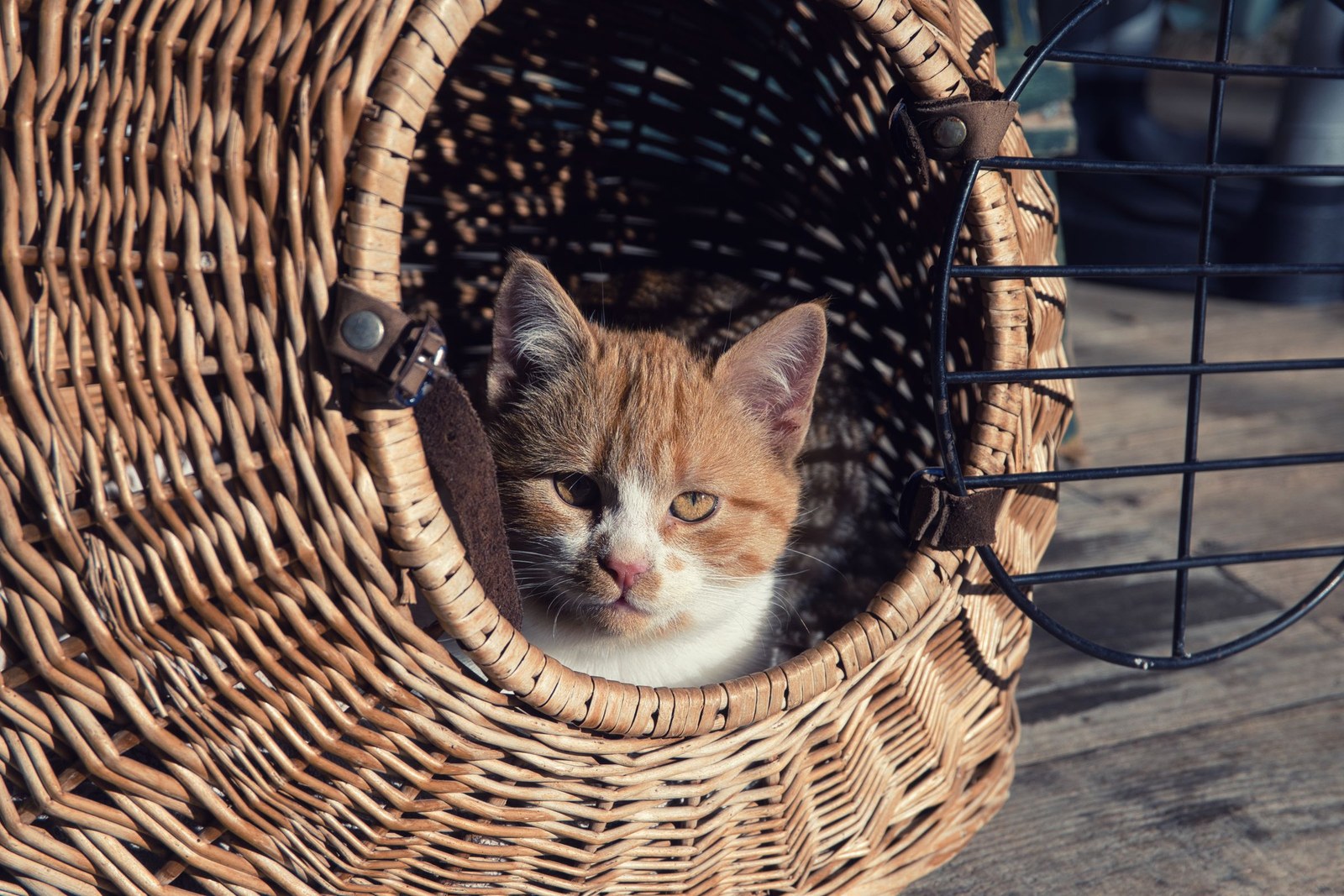
You can train your cat to go into the carrier without a fight by starting weeks before you need it, leaving the carrier open with a soft blanket and treats inside, feeding a few meals near or in it, and rewarding calm exploring — never forcing her in. The secret is removing urgency: cats learn from dozens of relaxed repetitions, not from one determined attempt on the morning of a vet appointment.
Why the Fight Happens in the First Place
From your cat's point of view, the carrier has a perfect record of predicting bad outings. It appears from a cupboard, she is chased, cornered, pushed in, carried to the car, and delivered somewhere that handles her. The fight at the door is not stubbornness — it is a learned defence that has worked before, because struggling sometimes delays the outcome. Training works by breaking that prediction and replacing it with a long history of the carrier meaning treats, naps, and nothing happening.
That is why timing matters. If the next appointment is tomorrow, do not attempt a full training programme today; use the calmest handling you can, and start proper training after that visit for the next one.
A Step-by-Step Plan That Respects Her Pace
Set the carrier in a room she likes, with the door fixed open or removed, and a blanket she already sleeps on inside. Then build up gradually, a few minutes a day:
- Treats appear inside the carrier — she can take them and leave freely
- Meals are served just outside, then just inside, the entrance
- The door closes for a few seconds while she eats, then opens again
- The carrier is lifted a few centimetres and set down, followed by a treat
- A short carry to another room and back, ending with play or food
Repeat each step until she looks bored by it before moving on. Sessions should end while she is still relaxed, not after a scare. If she stops entering, you have moved too fast — drop back a step for a few days. Some cats take to a top-loading carrier more easily, because being lowered in feels less like being shoved through a tunnel.
Tricks That Help — and Those That Backfire
Sprinkle a favourite treat trail, a catnip toy, or her usual blanket inside rather than inventing a special 'carrier perfume' she has never met. Play near the carrier so it becomes part of the furniture of good times. Keep the carrier clean — an old accident smell can put a cat off entering.
Avoid scruffing, tipping the carrier to slide her in, or having several family members corner her at once. Those methods may work once and make the next attempt far worse. If two people are needed for safety on a real appointment day, that is a sign the training plan needs more time, not more force.
Safety and When to Get Advice
Check the carrier itself: broken door latches, cracked plastic, or a handle that twists will undermine calm training and risk escape. Replace a carrier she has outgrown — she should be able to stand, turn, and lie comfortably. If your cat panics intensely despite slow training — panting, injuring herself, or hiding for hours afterwards — discuss it with your vet, who can advise on next steps for her specific situation.
Asking Kimmy When a Stage Stalls
Progress rarely runs straight: she may take treats for a week, then back away when the door swings, or eat inside but bolt when the carrier lifts an inch. Bring that moment to Kimmy in KinsLe — what changed, how she reacted, which step you had reached — and get an answer pulled from the KinsLe Answers library on whether to repeat the step, drop back, or change the reward instead of guessing.
A cat who walks into her carrier for a treat has not been tricked — she has been taught it is safe, one quiet repetition at a time. Kimmy on KinsLe answers follow-up questions about a stalled carrier stage, with replies drawn from the KinsLe Answers library.