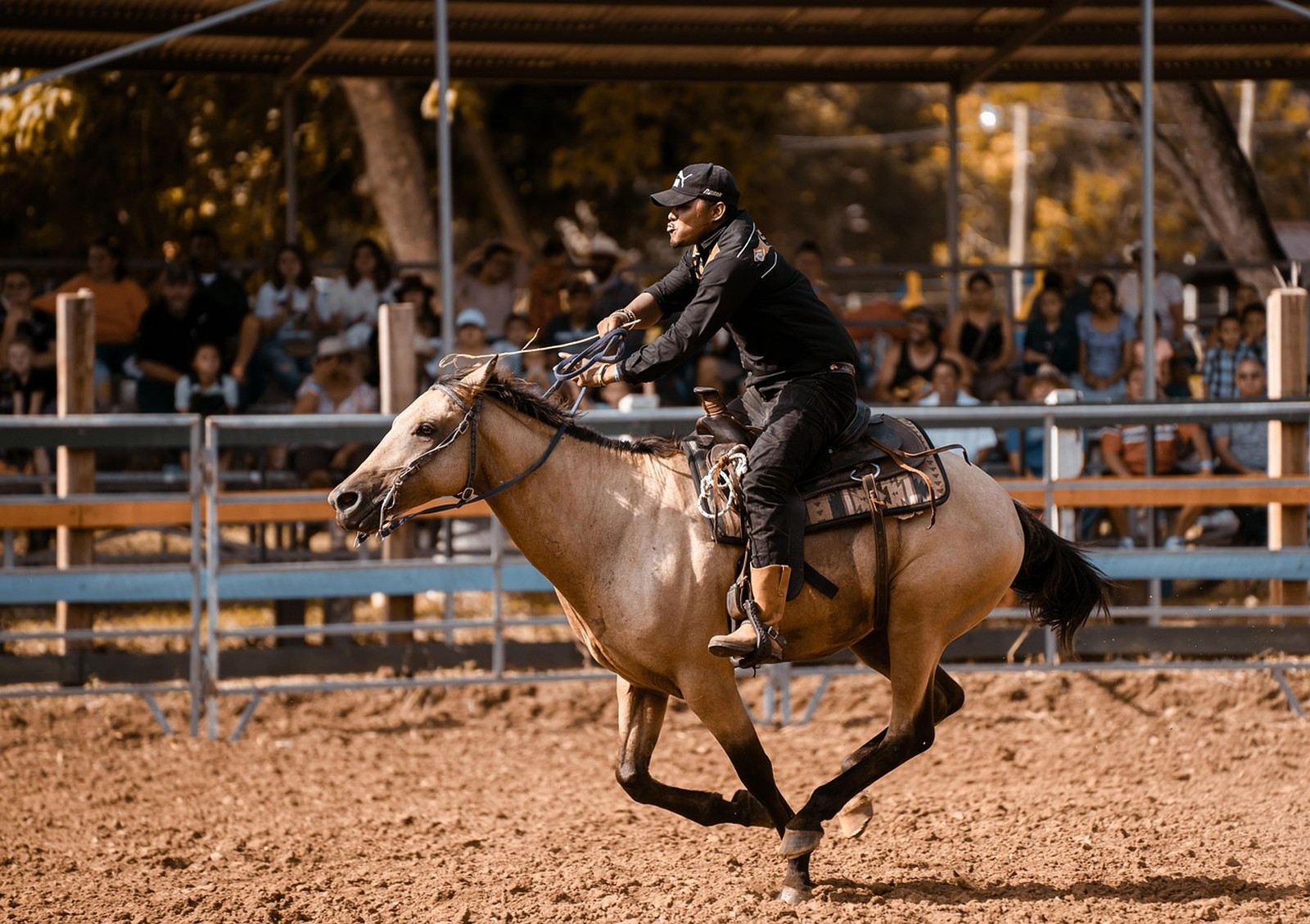
A trial shows you the horse in your yard, under your routine, ridden the way you ride. It also puts an animal you do not yet own in your care, which is why the terms need settling in writing before the horse travels.
Put the Trial Terms in Writing First
A trial agreement does not need to be long, but it does need to cover the points that cause disputes. Settle each of these before the horse moves:
- The start and end dates of the trial, the agreed purchase price, and how and when the balance is paid if you buy.
- Any deposit, whether it is refundable, and what happens to it if you return the horse.
- What the horse may be used for during the trial: hacking, schooling, jumping, competing, or turnout only, and who is allowed to ride it.
- Where the horse will be kept, and whether it may be moved, clipped, shod, or treated during the trial.
- How the horse is returned if you decide against buying, who arranges and pays for return transport, and in what condition it should travel back.
Both parties sign a copy each. A verbal trial between friends is where disagreements often start, because each side remembers a different version of who promised what.
Insurance, Feed and the Injury Question
Insure the horse for the trial period, or confirm in writing that the seller's existing cover continues and what it includes; an uninsured horse injured in your field is an argument with no good outcome. Agree who pays for the everyday costs during the trial, normally feed, bedding, stabling and routine farriery, and write that down too, because a trial that runs to several weeks carries real costs.
Then settle the hard question in advance: if the horse is injured or becomes ill during the trial, who authorises veterinary treatment, who pays for it, and whether an injury caused during the trial obliges you to buy, to pay for treatment, or simply to return the horse with the facts shared. Nobody enjoys writing that clause, and nobody regrets having it when a horse comes in lame from the field on day three.
Vet the Horse During the Trial
Arrange the pre-purchase veterinary examination during the trial period, with the seller's written permission, and agree beforehand who pays for it, which is ordinarily the buyer, and what happens to the findings if you return the horse. Tell the examining vet what you intend to use the horse for, because the same finding carries different weight for a happy hacker and for a horse expected to compete. Be present if you can, ask questions as the examination goes, and keep the written report with your trial notes.
Do not let the trial drift past the examination; vetting at the end risks falling for a horse you then have to return.
Use the Trial to Test Your Real Life
Ride and handle the horse as you genuinely will: catch it from the field, groom and tack up alone, ride in the school and out on the routes you use, meet traffic if you hack on roads, load and unload it, and see it settled at feed time and in the stable at night. Try it on a wet, windy day as well as a calm one. Note behaviour in a short daily line, because a pattern across the whole trial is more reliable than an impression from the best day.
If the horse fails your test, return it promptly, in the agreed condition, and say so plainly. If it passes, complete the purchase, transfer the passport, and keep your notes as the start of your own records. Storing the agreement, the examination report and those daily notes through KinsLe's Transferrable Profiles means that if the horse later moves on, its next owner receives a documented history rather than a summary from memory.