
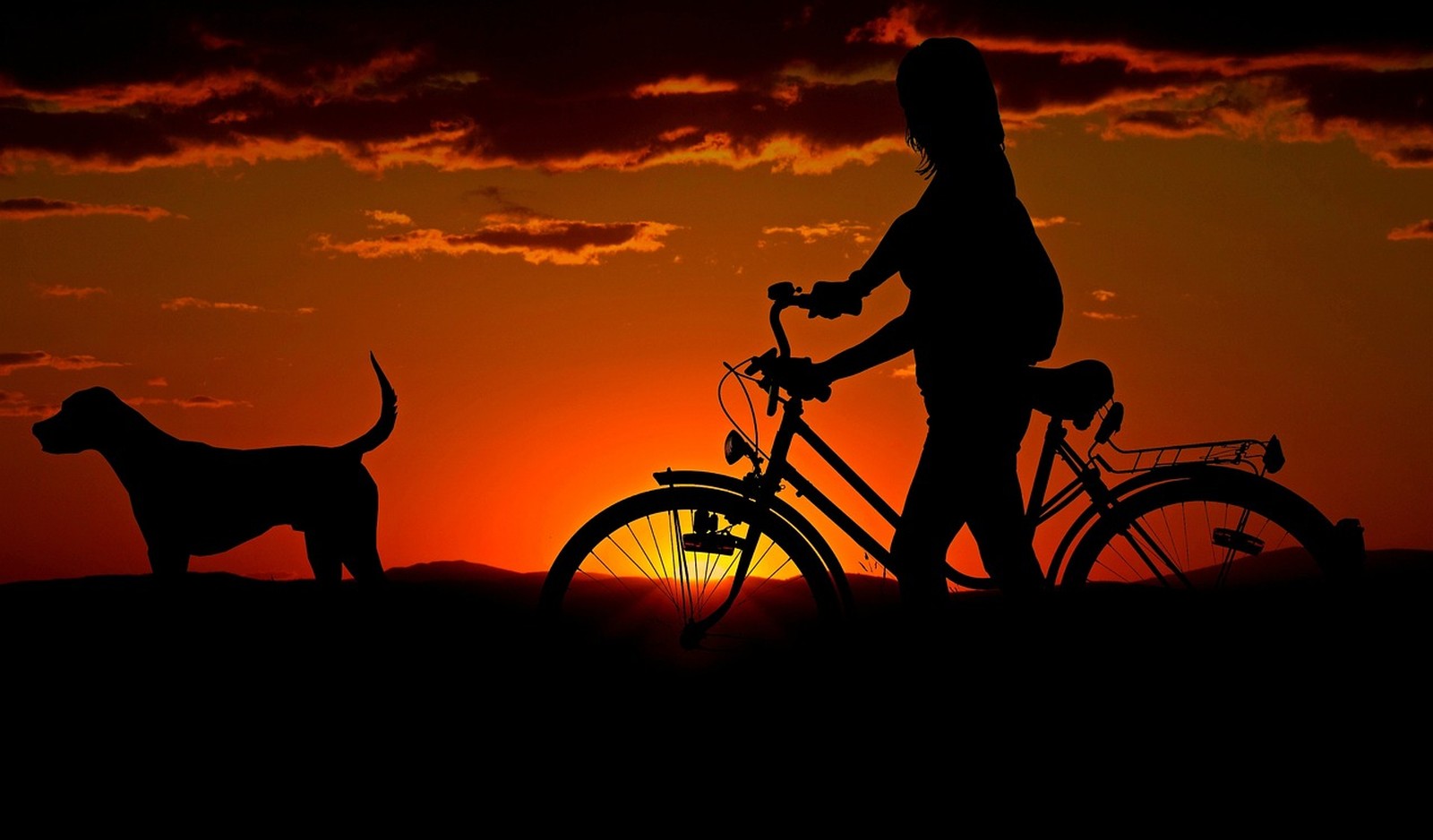
Why Darkness Makes Reactivity Worse
A dog who copes in daylight may unravel after dark for simple reasons: shapes loom out of hedges and side streets with no time to assess them, headlights sweep across eyes adjusted to the gloom, and other dogs appear suddenly at close range on narrow pavements. A reactive dog is usually frightened or frustrated rather than naughty, and darkness removes the early information he uses to decide he is safe. Winter adds its own pressure, because every dog in the neighbourhood is walked in the same compressed early-evening window, turning familiar streets into a corridor of surprise meetings. Your job on these walks is not to train through each reaction but to manage the environment so reactions rarely get triggered in the first place.
Set Up the Walk Before You Leave
Timing and route do most of the work. Walk a little earlier or later than the after-work rush if you can, favour wide, well-lit streets over unlit cut-throughs and parks, and build a couple of escape options into the route: driveways to step into, side streets to turn down, grass verges that create space. Make both of you easy to see with a reflective or light-up collar and lead for the dog and something reflective on your own coat, because drivers and other walkers need to spot you before your dog spots them. Check the lead clips, collar fit and your grip before leaving; a dog who lunges at a shadow can wrench a frosty lead out of a cold hand, and gloves with some grip are worth it. Keep the lead a comfortable length that lets him sniff without reaching the end and rehearsing a lunge.
Handling Encounters on the Night Walk
Distance is your kindest tool. Cross the road early, while the approaching dog is still far enough away that yours can look and look away, and reward that look-away like it is the whole exercise, because at night it is. Use cues he already knows from calmer settings: his name, watch me, a practised about-turn, scattering a few treats on a verge so his nose goes down and his arousal with it. Avoid the classic winter traps: blind corners by garden gates, bus stops where people step out suddenly, and the patch outside the pub where dogs wait tied. If a reaction happens anyway, do not apologise to the pavement at length or punish him; simply increase distance, let his breathing slow, and end the walk on something easy. Shorter, calmer walks beat heroic long ones that end in three lunges and a dog too wired to settle at home.
Build Skills in Daylight, Use Them at Night
Night walks are for management; the learning happens in easier light. Practise focus games, loose-lead turns and treat scatters on daytime walks and in the garden until they are automatic, then they will be there when a shape moves in the dark. A few garden play sessions or indoor training games on the worst evenings can replace a walk without short-changing an energetic dog. If reactivity is escalating, has a bite attempt in it, or is shrinking your dog's world week by week, bring in a qualified behaviour professional and mention it to your vet, because pain and fear often travel together. However careful the management, keep identification unmistakable on a dog who might bolt at a sudden noise: with KinsLe, Verified QR ID Pet Profiles put your dog's unique QR on his collar, so anyone who finds him can scan it, see his profile and contact you straight away.