
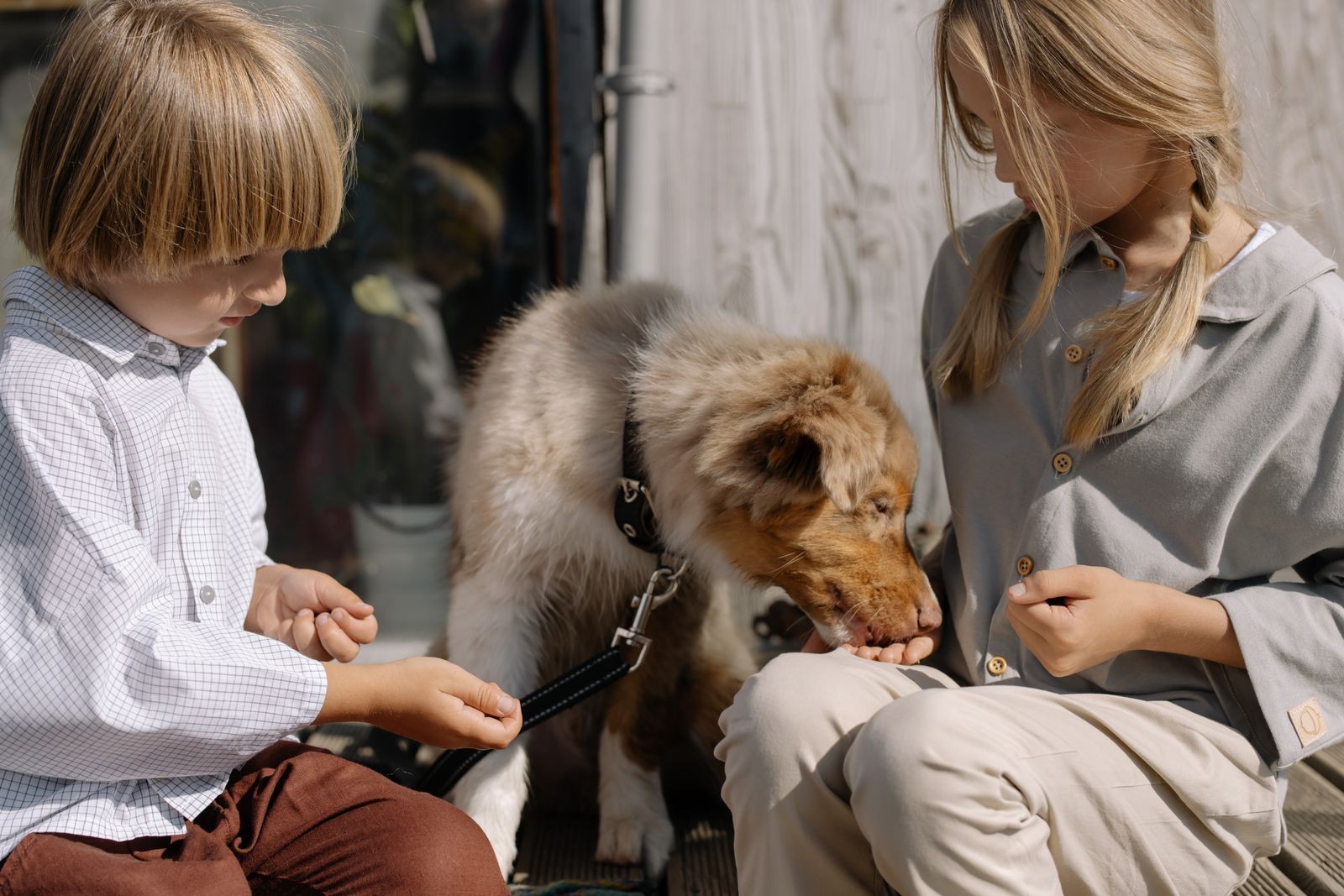
Share dog care fairly by listing every recurring job, assigning a named owner and a backup for each one, and making completions visible to the whole household. Relying on whoever happens to remember is how morning feeds get doubled, evening walks get missed, and one person quietly ends up doing everything. A written, shared system — even a simple one — ends the daily negotiations and gives kids a real, age-appropriate way to contribute.
List the real jobs, not just the obvious ones
Start with a full week of care and write down everything: morning potty break, breakfast, fresh water, morning walk, midday let-out, dinner, evening walk, last potty trip, medications if any, brushing, ear checks, poop pickup in the yard, washing bowls, and reordering food before it runs out. People are often surprised how long the list is. Naming the invisible jobs — like noticing the food bin is empty — is the first step to sharing them fairly. For a puppy, add frequent potty trips and training practice; for a senior dog, add slower, shorter walks and any mobility help.
Group jobs into morning, daytime, and evening blocks. That makes swapping a whole block on busy days much simpler than trading single tasks back and forth in a string of texts.
Assign owners and backups, then rotate the unpopular jobs
Give every job a primary person and a backup, so a late meeting or a sick day does not leave the dog waiting. Rotate the jobs nobody loves — yard cleanup, early weekend walks — on a weekly or monthly cycle so fairness is built in rather than argued about. Be realistic about capacity: the person who leaves at 6 a.m. should probably not own the 7 a.m. walk, and a younger child should not be the sole person responsible for a large, strong dog outdoors.
Age-appropriate jobs for kids might include filling the water bowl, measuring kibble with supervision, gentle brushing, and tossing a toy for fetch in a fenced yard. Walking alone, giving medication, and handling a reactive dog on the street are adult jobs. When a child's completion is checked off where everyone can see it, the responsibility feels real — and so does the pride.
Make completions visible
The system only works if everyone can see what has actually been done. A double-fed dog is not just a family mix-up; extra meals add up, and a missed medication or walk matters too. Use one shared place for check-offs rather than scattered messages. A quick note — walked at 5:30, ate half, seemed tired — saves the next person from guessing and helps you spot patterns, like a dog who regularly skips breakfast before a vet visit is due.
Hold a five-minute weekly reset: what worked, what clashed with schedules, what needs swapping next week. Keep it light and practical. Fairness shifts as work, school, and activities change, so the plan should be reviewed, not treated as permanent.
When fairness still feels off
If one person feels overloaded, count the actual time, not just the number of jobs. A 40-minute evening walk is not equal to filling a water bowl. Trade time, not just tasks, and consider outside help for the pinch points — a walker on the two longest days can relieve more resentment than reshuffling five small jobs. And praise counts: noticing that someone handled a muddy, rainy walk without complaint keeps goodwill alive.
Keeping the rota fair over time
Set the list up once, review it at the weekly reset, and adjust the blocks as school and work schedules change, rather than renegotiating jobs dog by dog each morning. That household habit, kept in the family's own hands, is what makes fairness visible at a glance. Access to the profile can also go to a grandparent or other relative you name, by way of KinsLe Family Sharing.