
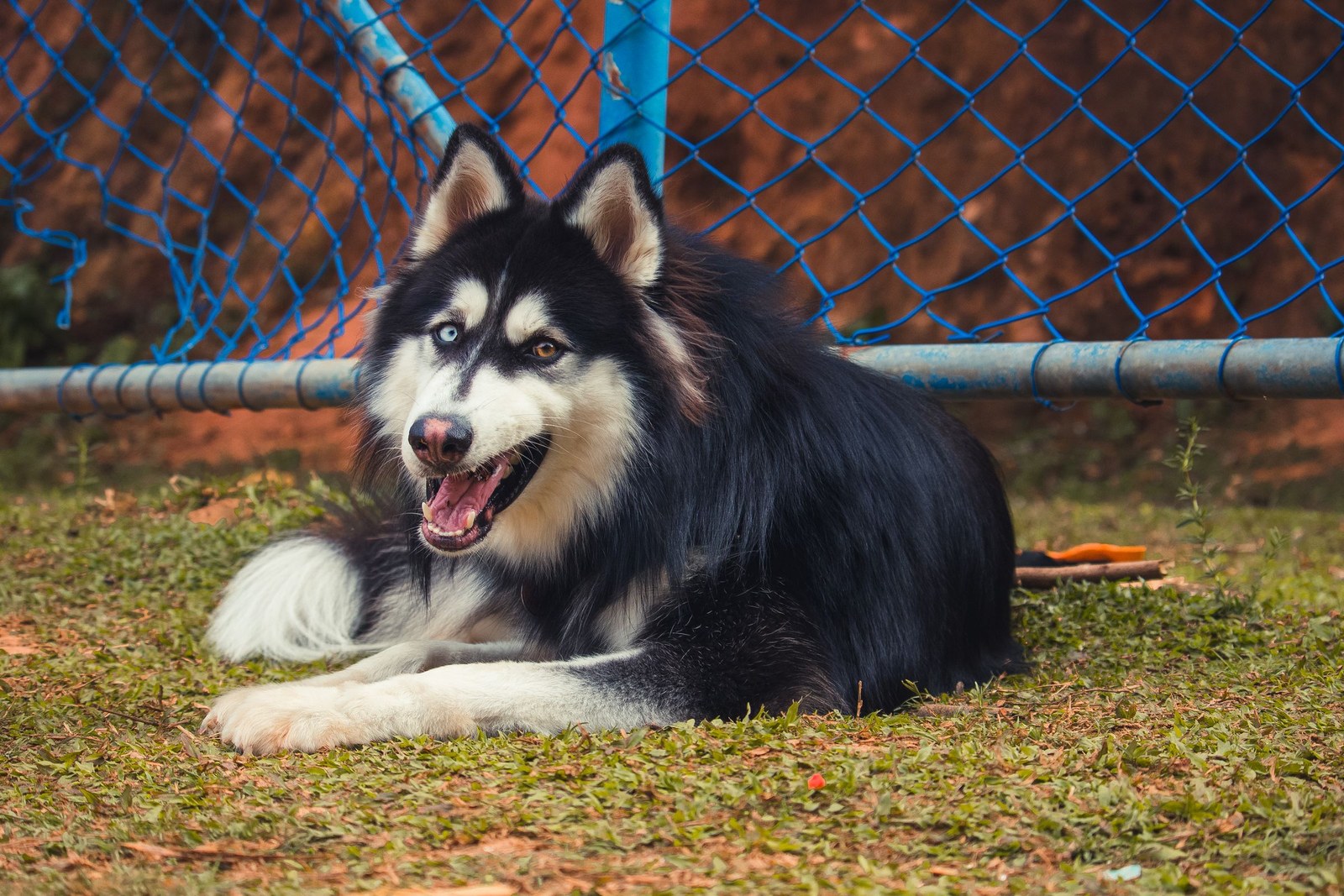
Your fence needs to be high and secure enough for the dog you actually have — their size, athleticism, and motivation — rather than for an average dog on paper. Some dogs are jumpers, some are climbers, and some are diggers or squeeze-through artists, so the right height and design depend on honest observation of your own dog's escape style.
Height: start with your dog's ambitions
As a rough guide, a four-foot fence contains many small and calm dogs, while athletic medium and large breeds often need five to six feet — and a determined jumper with a running start can challenge even that. Watch how your dog behaves: a dog who springs straight up at the fence after squirrels is telling you height matters; a dog who never tests the top rail may be contained more by habit than by inches. If your dog climbs chain-link by using it as a ladder, height alone will not solve it — a smooth surface they cannot grip, or a top section angled inward, may matter more than another foot of fence.
Build for diggers and squeezers too
Escapes happen at ground level as often as over the top. Check for:
- Gaps under the fence line and soft soil where digging has started.
- Spaces between boards or rails wide enough for a slim dog or puppy to squeeze through.
- Objects near the fence — bins, firewood stacks, garden furniture — that work as launch pads for jumpers.
For committed diggers, burying a section of mesh along the fence base or extending the barrier below ground level removes the payoff. Move launch-pad objects away from the perimeter, and fill any test holes promptly so a small start never becomes a finished tunnel.
Gates and latches are the weak point
A fence only works if everyone shuts the gate. Latches should close securely and ideally self-close, because the commonest escape story in the world is a gate left ajar by a visitor, a child, or a delivery. Walk the full fence line regularly — after storms especially — checking for loose boards, leaning posts, new gaps, and damage. Make the inspection a habit, not a reaction to an escape. And supervise a known escape artist even in a good yard; no fence substitutes for eyes on a dog who is actively working on getting out.
Have a reunion plan anyway
Even excellent fences lose occasionally — a storm knocks a panel down, a latch fails, a gate blows open. Plan for that day before it happens. Identification on your dog is the first layer; the second is a fast way for the neighborhood to help. If your dog does get out despite it all, KinsLe's Lost Pet Alert System is free in every profile and lets a finder message you directly, so the person who spots your dog in their yard can reach you in moments instead of posting and hoping. Preparation turns a panic into a search with help. Should your dog escape anyway, nearby owners receive the alert through the Lost Pet Alert System on KinsLe, and whoever finds the dog can send a direct message straight to you.