
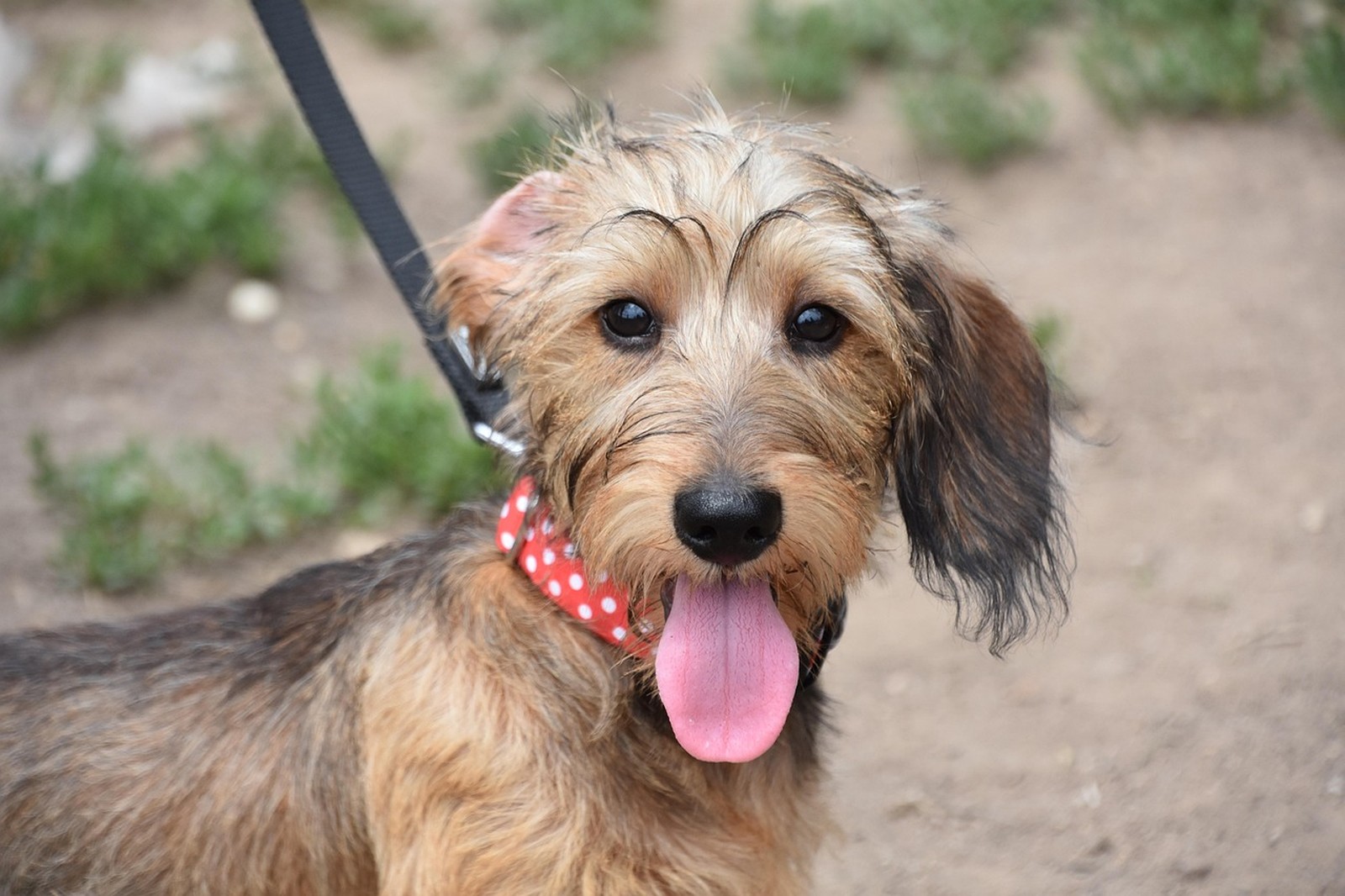
It is too hot for a walk when the pavement burns your palm, the air feels heavy to breathe, or your dog is lagging, panting hard, and hunting for shade — and on many summer days that point arrives well before noon. As a simple field test, press your bare hand flat on the asphalt for five seconds. If you cannot hold it there comfortably, your dog should not be walking on it.
Why Dogs Overheat Faster Than We Do
Dogs cool themselves mainly by panting, not sweating, and that system struggles when humidity is high and the air is already hot. Add a coat, a short muzzle, extra weight, or an eager personality that will not self-limit, and a normal route can become dangerous surprisingly fast.
Some dogs need a much lower threshold:
- Brachycephalic breeds like Bulldogs, Pugs, and French Bulldogs, whose airways make panting less efficient
- Senior dogs and very young puppies, who regulate temperature poorly
- Overweight dogs and dogs with thick, dark, or double coats
- Big, high-drive dogs — the retriever who would fetch through obvious exhaustion if you let her
Grass and shaded dirt trails are kinder than sidewalks, and sidewalks are kinder than black asphalt. Temperature alone does not tell the whole story; a breezy 82-degree morning on a shaded trail is a different walk from a still, humid 82 degrees on open pavement at 2 p.m.
How to Walk Smart on Hot Days
Shift the schedule, not just the route. Early morning is best, evening second — and “evening” means after pavement has actually cooled, not just after the sun looks lower. Test the ground again at 7 p.m.; asphalt holds heat for hours.
Shorten the mission. On hot days, aim for a relaxed potty-and-sniff walk rather than mileage or training goals. Bring water for your dog, not just yourself, offer it often, and plan shade stops. Let sniffing in the grass replace pace — mental work tires a dog pleasantly without the same heat load.
Watch your dog, not your watch. Turning for home at the first signs — heavy panting that does not ease in shade, slowing down, ears back, seeking every patch of grass — is good judgment, not giving up. Skip the dog park run, hill repeats, and ball sessions entirely on peak-heat days, and never muzzle a dog in a way that restricts panting.
Paw Safety Is Part of Heat Safety
Burned paw pads are painful and slow to heal, and dogs often do not limp until the damage is done. Walk on grass verges, use shaded sides of the street, and check pads after walks for redness, blistering, or tenderness. Boots can help some dogs on unavoidable hot surfaces, but introduce them indoors first — a dog dancing to remove boots on hot pavement is not safer.
If your dog seems unusually tired, wobbly, vomits, or has bright red gums after being out in heat, stop, move to shade or air conditioning, and contact a veterinarian or emergency clinic promptly. Heat illness escalates fast, and waiting it out at home is risky.
Building the Early-Walk Habit
Most owners know the early walk is smarter; the hard part is acting on it before the day fills up and the temperature climbs. Build the decision into the evening before: check the forecast, set out water and a lead by the door, and plan the cool-hour route while the choice is still easy.
On mornings when the forecast sits on the borderline, put a follow-up question to KinsLe's Kinny; he answers using the KinsLe Answers library.