
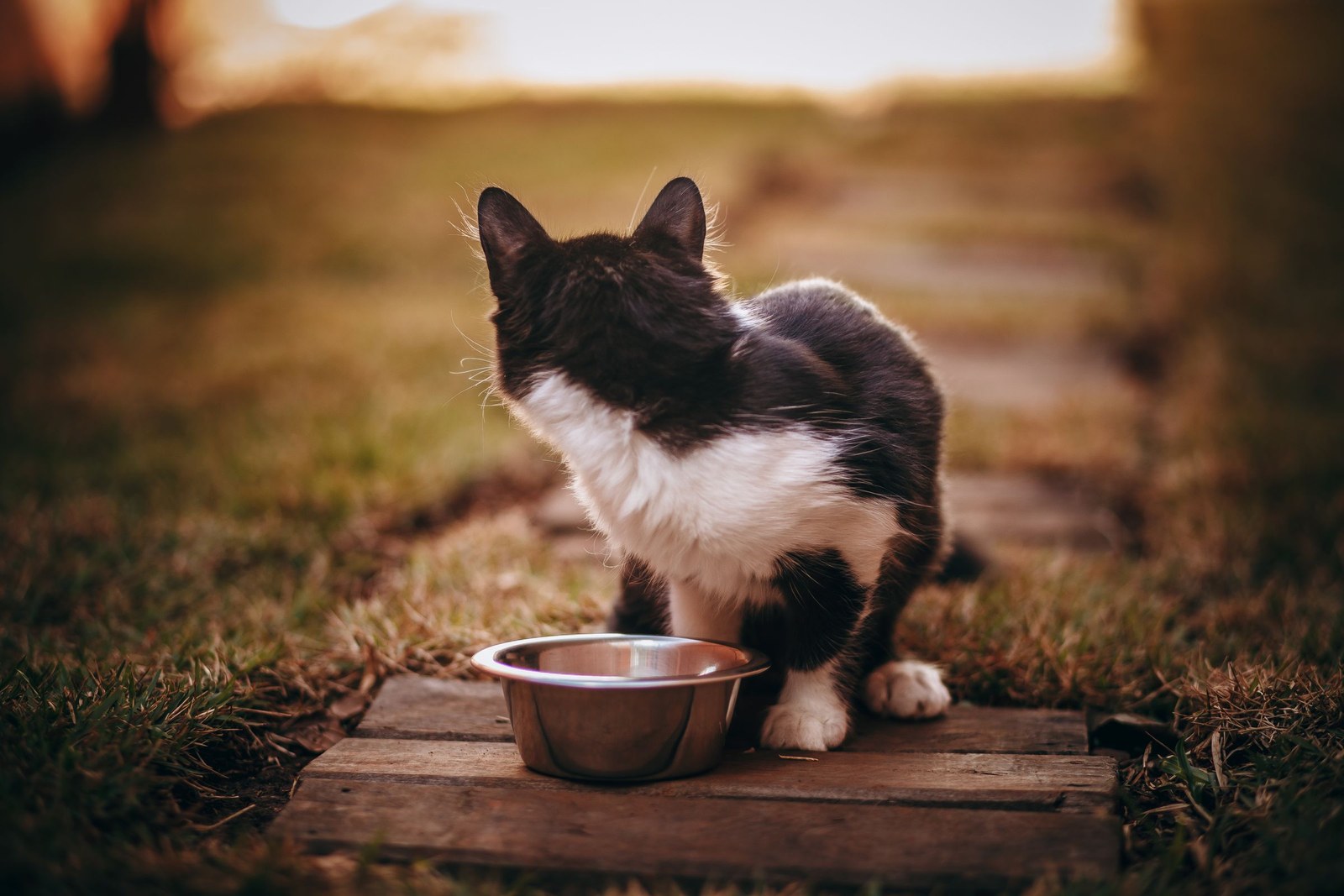
A cat should not go without eating for around a day without you calling your veterinarian — and overweight cats, kittens, seniors, and cats with existing health issues should be checked even sooner. Cats are not built for fasting the way some animals are, so a stopped appetite is both a symptom worth investigating and, if it continues, a problem in its own right.
Why Cats Handle Fasting Poorly
Cats are obligate carnivores designed for frequent small, protein-rich meals. When a cat stops eating, her body starts mobilising fat for energy, and her liver — which processes that fat — can become overwhelmed, particularly in cats carrying extra weight. This is one reason vets take appetite loss in a chubby cat especially seriously: the very cats owners assume "have reserves to spare" are at higher risk when meals stop.
A healthy cat might skip one meal because of a hairball, a hot day, or offence at a new food flavour. The concern builds with time and with company: a missed meal plus hiding, vomiting, drooling, or litter box changes is a different picture from a missed meal plus normal play an hour later.
A Practical Timeline for Owners
Use time as your guide rather than guesswork:
- One missed meal, otherwise normal: offer fresh food, check the bowl area for issues, and watch the next meal closely.
- Around 24 hours without eating: call your veterinarian for advice, even if your cat seems otherwise bright.
- Any complete refusal in a kitten, senior, diabetic cat, or cat with kidney, liver, or other known illness: call sooner — do not wait for the 24-hour mark.
- Not eating plus vomiting, lethargy, jaundice (yellowing gums or ears), or no urination: treat as urgent and seek care the same day.
Never try to force-feed a cat, and do not offer human medication to stimulate appetite. If your vet advises tempting a picky but healthy cat, gentle options include warming wet food slightly to release its smell, offering a small amount of a favourite flavour, and feeding in a quiet spot away from other pets.
Common Reasons Appetite Drops
The cause may be in the mouth — sore teeth and gums are common and easy to overlook — or in the stomach, kidneys, or elsewhere entirely. Nausea, pain, stress from a new pet or building work, a changed food, spoiled food in a warm kitchen, or even a bowl moved to a noisy spot beside the washing machine can all stop a cat eating. Whisker-level details matter: some cats refuse food from a deep, narrow bowl or one that smells of washing-up liquid.
Rule out the simple first: check the food is in date, the bowl is clean, other pets are not stealing or guarding the feeding area, and any automatic feeder is actually dispensing. A feeder that jammed two days ago has fooled many attentive owners.
Monitoring Meals So a Miss Is Obvious
In multi-cat homes, "someone ate" is not the same as "she ate." Feed cats in separate spots if appetite monitoring matters, note who finished what, and pay attention to the cat who drifts away from the group bowl first. Weigh your cat every few weeks if your vet agrees — slow weight loss is often noticed by hands and scales before eyes.
How KinsLe's Kinny Helps You Spot a Missed Meal
Kinny is KinsLe's built-in AI assistant, and its useful role here is answering the questions a missed meal raises. When she skips breakfast, you can ask whether one refused meal in an otherwise bright cat can wait until the next feed, what mouth pain looks like when she chews, or how to tell whether an automatic feeder has quietly stopped dispensing. Working through those questions while the details are fresh helps you judge whether watching is reasonable or whether the timeline in this article means calling your vet now.
When appetite loss leaves you unsure, Kinny inside KinsLe fields further questions you raise on mouth pain or feeder faults, sourcing each response to KinsLe Answers.