
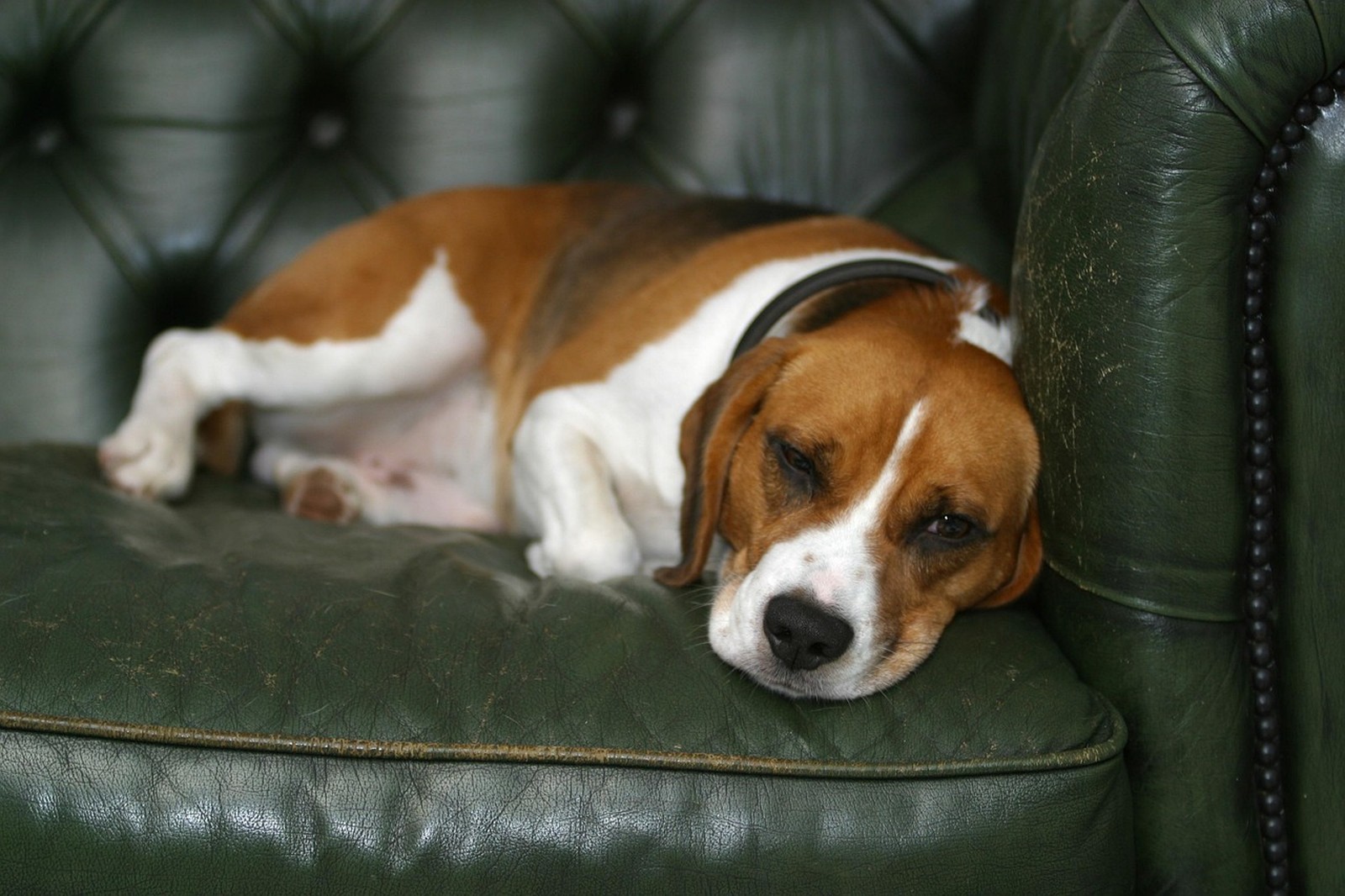
Most healthy adult dogs can manage a typical workday alone if they get a solid walk before you leave, fresh water, and a midday toilet break — but there is no single number that fits every dog. Puppies, seniors, and newly adopted dogs need much shorter stretches, and a dog who is destructive, barking for hours, or having accidents is telling you the current stretch is too long for them, whatever the general guidance says.
It Depends on Age, Health, and History
As a rough frame that owners use with their veterinarians: young puppies can only hold their bladder for short periods and need frequent trips outside during housetraining. Healthy adults in their prime usually cope best with a break roughly in the middle of a long day — few dogs are comfortable holding on for a full long shift plus a commute. Senior dogs, and dogs with kidney, bladder, or digestive issues, often need to go out more often again, sometimes without much warning.
Breed and temperament matter too. A snoozy greyhound may sleep most of the day happily, while a young border collie or husky left without exercise or company may redecorate your skirting boards. Newly adopted dogs deserve a gradual build-up — start with shorter absences in the first weeks while they learn that you always come back.
Think in terms of total time, not just office hours. A nine-to-five plus a long commute, a gym stop, and a supermarket run can quietly become eleven hours.
Signs the Stretch Is Too Long
Your dog cannot file a report, but the evidence shows up. Look for:
- Chewed door frames, scratched exits, or destroyed items near doors
- Neighbour reports of prolonged barking or howling
- Toileting accidents from a dog who is otherwise housetrained
- Frantic, over-the-top greetings or, the opposite, withdrawal
- Loss of appetite or excessive drooling when you return
A pet camera for a few days can be genuinely useful. Many dogs settle and sleep; if yours paces, pants, or vocalises for long stretches, treat that as information to act on, not a phase to ignore. Separation-related distress is a welfare issue, and your veterinarian or a qualified behaviour professional can help you build a proper plan if simply shortening the day is not enough.
Making a Workday Work Better
Front-load the morning: a proper walk with sniffing time, not just a rushed toilet dash, sets most dogs up to rest. Leave water in a spill-resistant bowl, a safe chew or food puzzle if your dog uses them sensibly unsupervised, and a comfortable resting spot away from the front door if street noise winds them up.
The midday break is the highest-value fix. A walker, a neighbour on a swap arrangement, a partner coming home at lunch, or a daycare day or two a week can turn a stretch that is too long into one your dog genuinely copes with. Weekends do not compensate for hard weekdays — consistency across the week is what dogs learn from.
If your hours are changing — a new job, a return to the office — build up gradually over a couple of weeks rather than jumping from always-home to full days.
How KinsLe Makes Midday Help Simple and Safe
Handing a midday walker a full written brief plus your house routine is where details get lost. KinsLe's Care Pass is a temporary, scoped link you share with that walker or neighbour. It shows just the care information they need for your dog — feeding, walk, and access notes you choose to share — and the recipient needs no account and no app to open it.
Because the link is temporary and scoped, you are not handing over your whole profile to solve one lunchtime visit. It keeps the arrangement practical for a trial week, a regular walker, or a one-off favour from a friend.
Care Pass on KinsLe gives the neighbor covering the midday break access only to the feeding, walking, and entry notes for that outing, and only until that visit ends.