
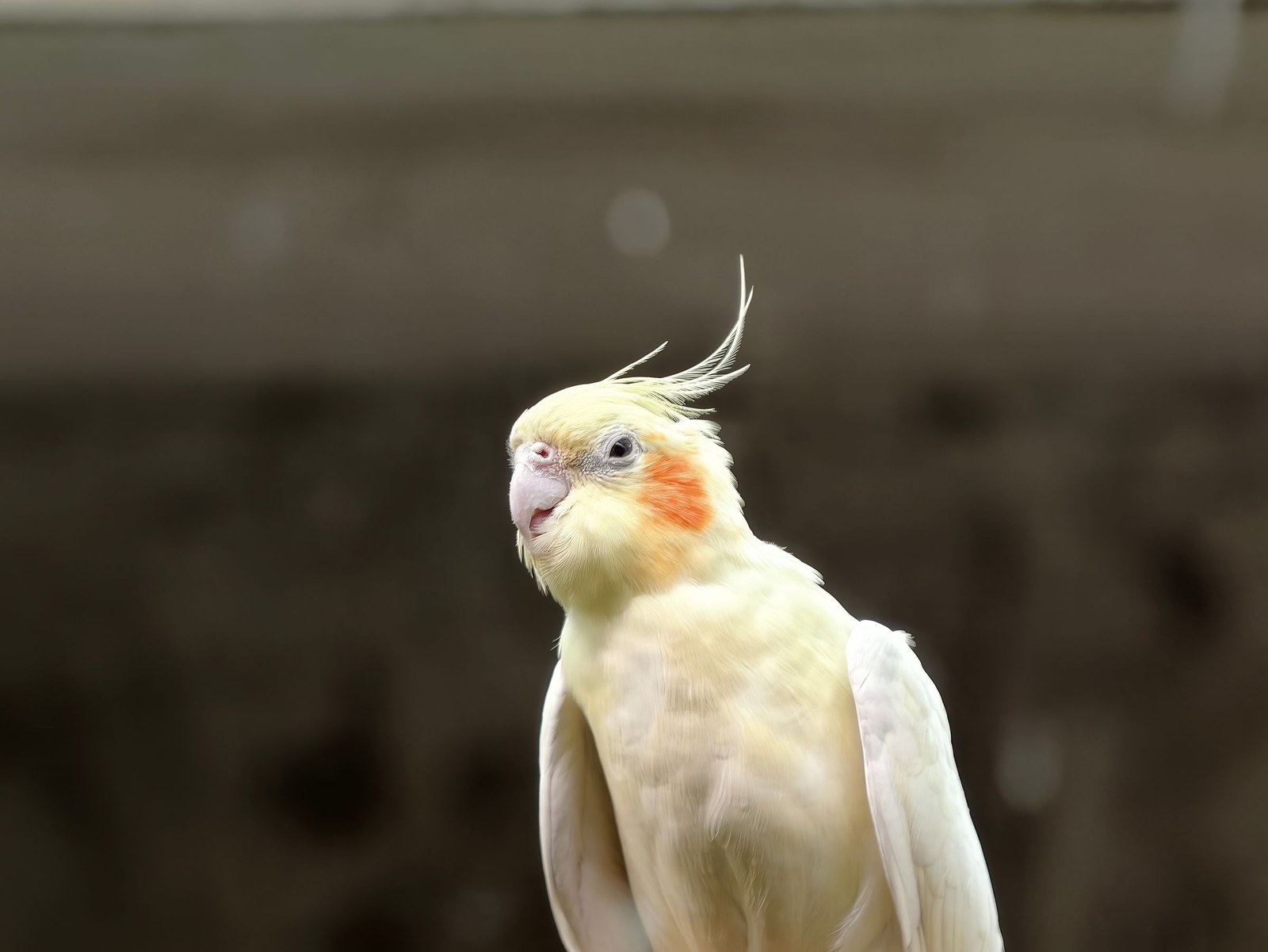
With good care, budgies commonly live about 7 to 15 years, and cockatiels often reach 15 to 25 years. That means a cockatiel adopted by a teenager may still be whistling when that teenager finishes college, starts a career, and moves into a first home of their own. A bird is not a short-term pet — it is a long companion, and planning for that lifespan is part of choosing one responsibly.
Why Lifespans Vary So Much
You will see very different numbers quoted for the same species, and the gap usually comes down to care. Diet is the biggest factor: birds fed only seed tend to develop nutritional problems over time, while a varied diet of quality pellets, vegetables, and limited seed supports a longer life. Exercise matters too — flighted birds and birds with daily out-of-cage time stay fitter than birds that sit in a small cage all day. Genetics, early-life conditions, and how quickly illnesses get veterinary attention all play a part as well.
Routine also protects lifespan in quieter ways. Consistent sleep — most pet birds do best with 10 to 12 hours of dark, quiet rest — reduces chronic stress. A stable cage location away from drafts, kitchen fumes, and tobacco smoke protects sensitive airways. Small habits, repeated for years, add up to years.
The Cockatiel Decades
A cockatiel's life spans real chapters. The first year brings a first molt and often a hormonal, opinionated adolescence. Adult birds settle into routines and favourite people. Senior cockatiels — birds in their late teens and beyond — may fly less, nap more, and benefit from lower perches, softer foods if chewing gets harder, and more frequent vet check-ins. Knowing these stages in advance helps you adjust care instead of being surprised by them.
Budgies move through the same chapters faster. A budgie at eight or nine is a senior, and owners often notice quieter behaviour, more sleep, and a need for easier-to-reach food and water. Planning for a smaller bird still means planning for a decade.
The Practical Side of a Long Life
Long-lived pets need a paper trail and a backup plan:
- Keep vet records, hatch or adoption details, and diet notes together, not scattered across drawers and inboxes.
- Name a trusted person who would take your bird if you could not care for it, and tell them.
- Budget for an avian vet — birds hide illness well, so prompt appointments matter, and costs over 15 to 25 years are real.
- If you rent, move, or travel often, think through how the bird fits each change before it happens.
None of this should scare you off. It should simply replace the idea of “a pet for now” with “a companion for this whole season of my life” — which is exactly what most bird people end up loving most.
Keeping 25 Years of Records Straight on KinsLe
That long view is exactly what KinsLe's Pet Passport is built for. The Pet Passport is your bird's records packet — vaccines where applicable, medications, allergies, and documents — kept with the profile and shareable with vets and sitters, so a new avian vet in ten years can see the whole history instead of a fragment. Your first pet profile is free, and the records stay organized across every move and chapter. File hatch details, vet findings, and diet changes in the Pet Passport on KinsLe as they happen, and a successor caregiver or a new clinician decades later can retrieve the complete history instead of guessing.