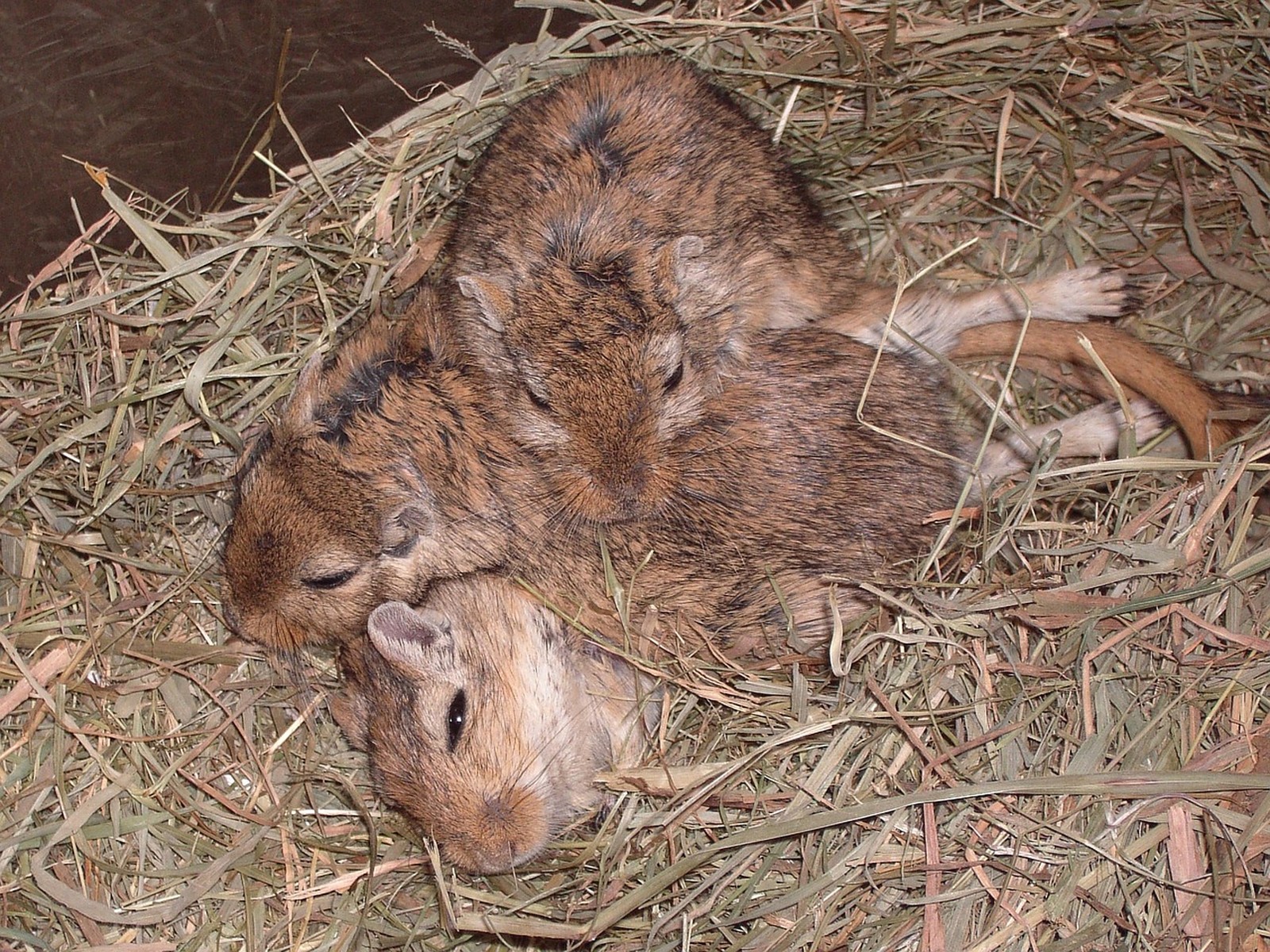
Pet gerbils, almost always Mongolian gerbils, have a typical lifespan of three to four years, with the occasional individual reaching five. Owners are often surprised both ways: gerbils outlive most hamsters, yet their whole lifespan still fits inside one school stage of a child's life. Knowing the arc helps you pace bonding, housing decisions, and the harder conversations, and it helps you spot when a change is normal ageing rather than illness.
A Short Life in Fast Stages
Gerbil pups open their eyes at around two and a half weeks and are weaned and independent within about a month, growing to full adult size by roughly six months. The adult years, from six months to about two and a half years, are the digging years: a healthy gerbil spends much of its waking time excavating tunnels, shredding cardboard to line them, running, and gnawing to keep its ever-growing teeth down. From around three years, the pace eases. Older gerbils sleep more, dig less energetically, and may look slimmer with a less sleek coat. A very old gerbil may develop lumps, a hunched posture, or wobbliness. Because gerbils hide illness well and their lives are short, a sudden change at any age deserves a prompt vet visit rather than a week of watching.
What Helps a Gerbil Reach the Top of the Range
Housing is the biggest lever. Gerbils are burrowers, so a deep layer of bedding in a tank-style home that holds tunnels gives them the activity their bodies are built for, while a shallow cage that prevents digging frustrates them daily. Companionship matters as well: gerbils are social and usually kept in a same-sex pair, and a bonded pair grooms, sleeps piled together, and stays active longer than a lone gerbil. Diet is simple but specific: a gerbil mix as the base, small amounts of fresh vegetables, constant access to gnawing material and water, and restraint with fatty seeds, which are easy to overfeed from the palm of a hand. Safe handling from above is a real risk with this species; scooping from below and never lifting by the tail protects both lifespan and trust, since a gerbil's tail skin can be injured by rough grabbing.
Ageing Care in a Small Body
For a senior gerbil, move food and water to the floor level it actually uses, soften climbing demands, and keep the home layout familiar because eyesight and confidence fade. Check an older gerbil weekly in your hands for weight loss you cannot see through fur, overgrown teeth if it stops gnawing, and any lump that is growing. Keep pairs together where the bond is peaceful, since separating an old gerbil from its companion is a major stress at the end of life, and be ready for one partner to outlive the other by months. When that happens, an elderly survivor is often kept comfortable alone with extra human attention rather than put through a stressful introduction.
When the Usual Keeper Is Away
Gerbil care often falls to one keen child or one adult who did the reading, and gaps appear when that person is away. KinsLe Family Sharing is the name for opening the pair's profile to a grandparent or an older sibling the owner selects for a holiday week.