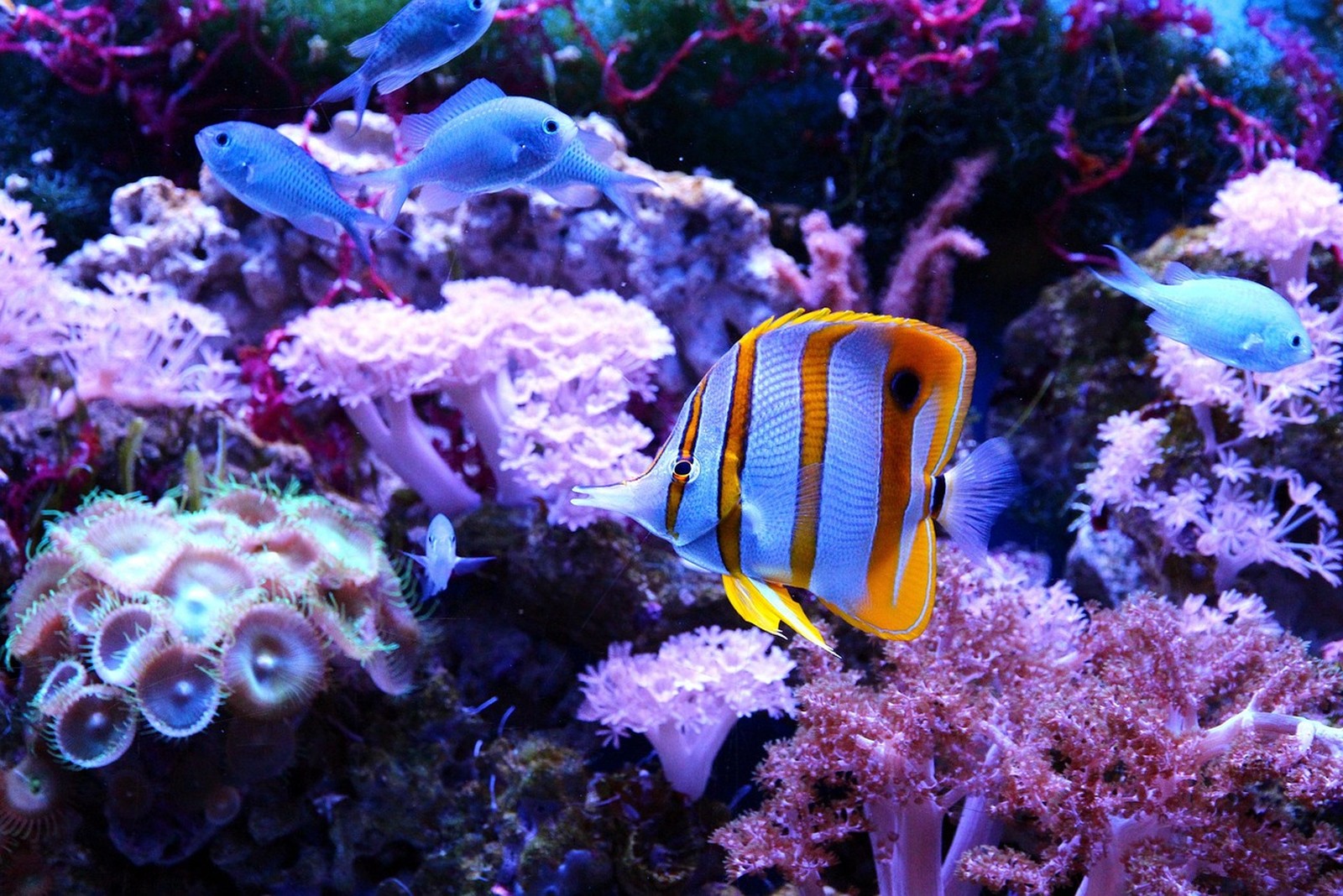
Most new saltwater tanks take four to six weeks to cycle fully. Cycling means establishing the bacterial colonies that convert fish waste ammonia, which burns gills and kills quickly, into nitrite, which is also toxic, and finally into nitrate, which is far more manageable at low levels. Until both ammonia and nitrite consistently test at zero, the tank is not ready for fish, whatever the calendar says.
Why the Range Is Two to Eight Weeks
Your starting materials decide where you land. A tank built with well-cured live rock arrives carrying established bacteria and can cycle in two to three weeks, sometimes showing only a brief, small ammonia rise. Dry rock, new sand, and bottled bacteria starts are cleaner and pest-free, but the colonies must grow from near zero, which commonly takes the full four to six weeks and can stretch to eight in a cool room or a lightly fed cycle.
Temperature and salinity stability matter more than any booster. Bacteria multiply slowly in a tank that swings daily, so keep the heater steady at your target, top up evaporated water with fresh water to hold salinity, and run lights on a short schedule or off during the early weeks to avoid feeding an algae bloom before the bacteria win.
Running the Cycle Week by Week
In week one, add an ammonia source, a small amount of fish food, a piece of shrimp, or a measured ammonia product made for cycling, and test every day or two. Ammonia rises first. Around weeks two to three, nitrite climbs as the first bacterial colony establishes, while ammonia falls. Then nitrate begins to rise and nitrite drops. The cycle is complete when a dose of ammonia is processed to zero ammonia and zero nitrite within about a day, confirmed over several days of tests, not one lucky reading.
Resist water changes during the cycle unless ammonia climbs extremely high, since you would be removing the food your bacteria need. Once cycled, do a larger partial water change to bring nitrate down before the first fish arrive.
Stocking Slowly Afterwards
Cycled does not mean fully mature. Add fish one or two at a time, weeks apart, starting with hardy species, and keep testing after each addition because every new animal raises the waste load the bacteria must grow to meet. Corals and sensitive invertebrates do better in a tank that has been stable for some months, not days. Rushing this stage is the most common and most expensive beginner mistake in the saltwater hobby: fish added at week two to a tank that needed six rarely survive the nitrite peak.
Keep a simple log of dates, ammonia, nitrite, nitrate, and salinity. The trend line tells you which phase you are truly in, and it becomes the tank's baseline record for every future problem.
Daily testing for six weeks is exactly the sort of chore that gets skipped when it belongs to everyone in general. KinsLe's Care Teams lets you assign each day's tests, top-ups, and log entries to named household members, with completions timestamped, so the cycle's final zero readings are a record you can trust before the first fish goes in.