
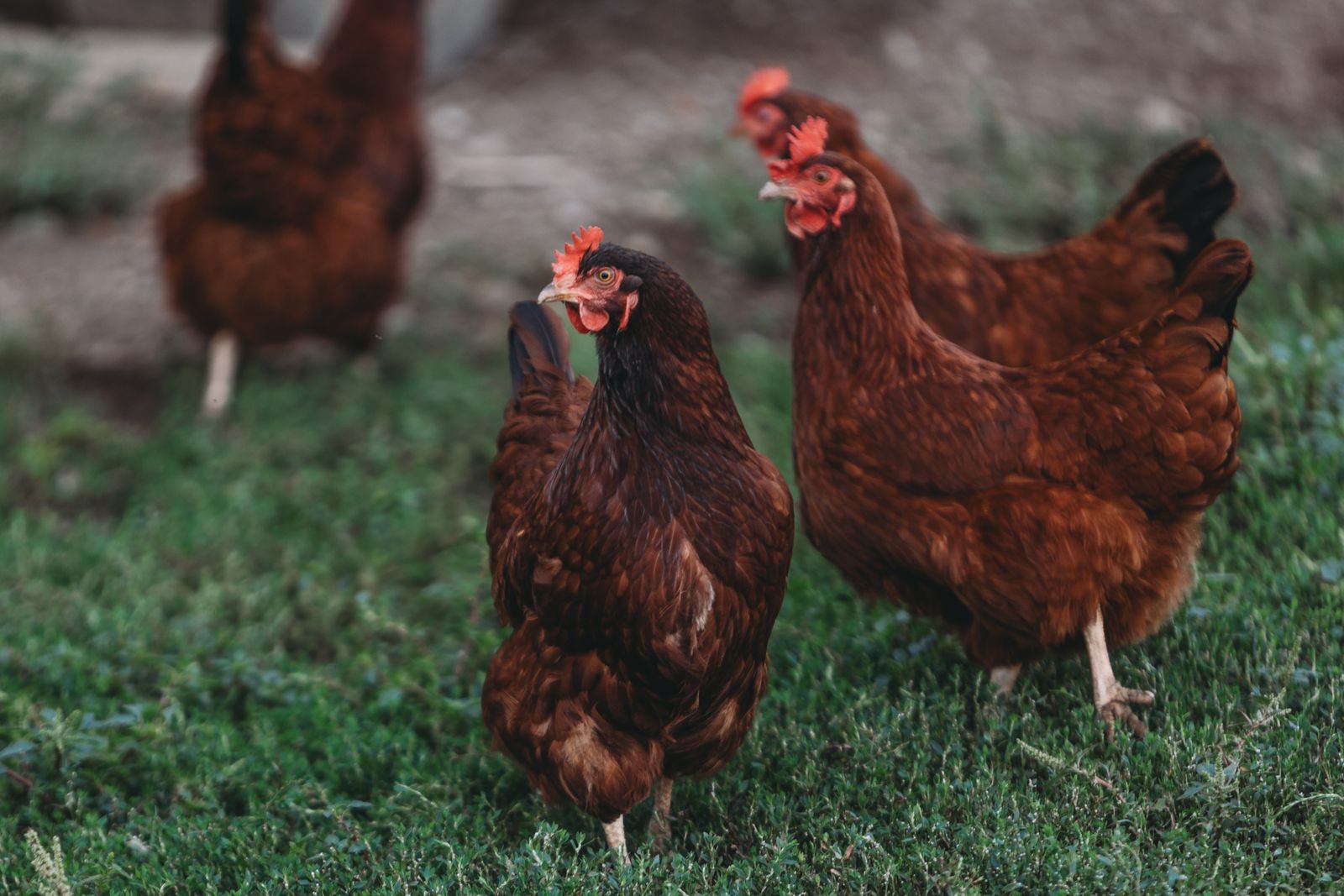
Three hens is the practical floor for a first flock, and six is a sensible ceiling while you learn. At that size the birds have real company — a hen on her own is a stressed bird — yet the coop, the feed bill and the morning routine stay within what a beginner can manage well.
Why not fewer than three
Chickens are flock animals with a real social structure. A single hen is a stressed, lonely hen, and even a pair is fragile math: if one bird dies — and losing a bird early is a common beginner experience — you are left with one miserable chicken and an urgent search for companions, which then involves quarantine and introductions. Three is the true minimum for a flock that can absorb a loss and still function socially. It also spreads the pecking order so no single bird takes all the friction.
Why not more than six at first
Every hen adds eggs, feed cost, manure, and space requirements, and a first-time keeper is still learning predator-proofing, health observation, and daily rhythm. Four to six laying hens supply a typical household with plenty of eggs — often more than enough in peak season — and a manageable coop-cleaning load. You can always add birds later; most keepers do, once the first season teaches them what their setup handles well. Starting modest also keeps your first mistakes small.
The rules check comes first
Before you count hens, count what your rules allow. Many towns and cities limit flock size, ban roosters in residential zones, or set minimum distances between a coop and property lines or neighboring homes. Call your local planning or animal control office and check any HOA rules before buying birds or building anything. Also decide deliberately about roosters: beginners do not need one for eggs, hens lay fine without, and a rooster changes the noise equation entirely.
Matching flock size to space and breed
Plan coop and run space around your maximum, not your starting number, because chicken math is real. Bigger breeds — Orpingtons, Brahmas — need more room per bird than compact Leghorns or bantams. If you choose bantams, six takes less space than six full-size hens; if you free-range part of the day, pressure on the run eases. Buy from a reputable source, choose breeds suited to your climate, and consider starting with point-of-lay pullets rather than day-old chicks if you want to skip brooder equipment and the wait for eggs.
A quick decision guide
- Just want eggs for one or two people? Three to four hens.
- Feeding a family and enjoy sharing? Five to six.
- Tight space or strict local limits? Three compact hens, well kept, beat six cramped ones.
- Thinking about chicks? Remember roughly half will be roosters you may not be allowed to keep — have a plan.
Setting up your flock on KinsLe
When your hens come home, each bird can have her own profile. Every pet profile on KinsLe carries its own QR ID, and the Lost Pet Alert System comes free with each one — if a hen slips the fence and turns up two gardens away, her alert appears on the map and whoever finds her can message you directly. Your first pet profile is free, so there is no reason for any hen to go unrecorded. On KinsLe, your Verified QR ID Pet Profiles identify each hen to a stranger, because scanning her tag opens her details and confirms she belongs with your flock rather than wandering as a stray.