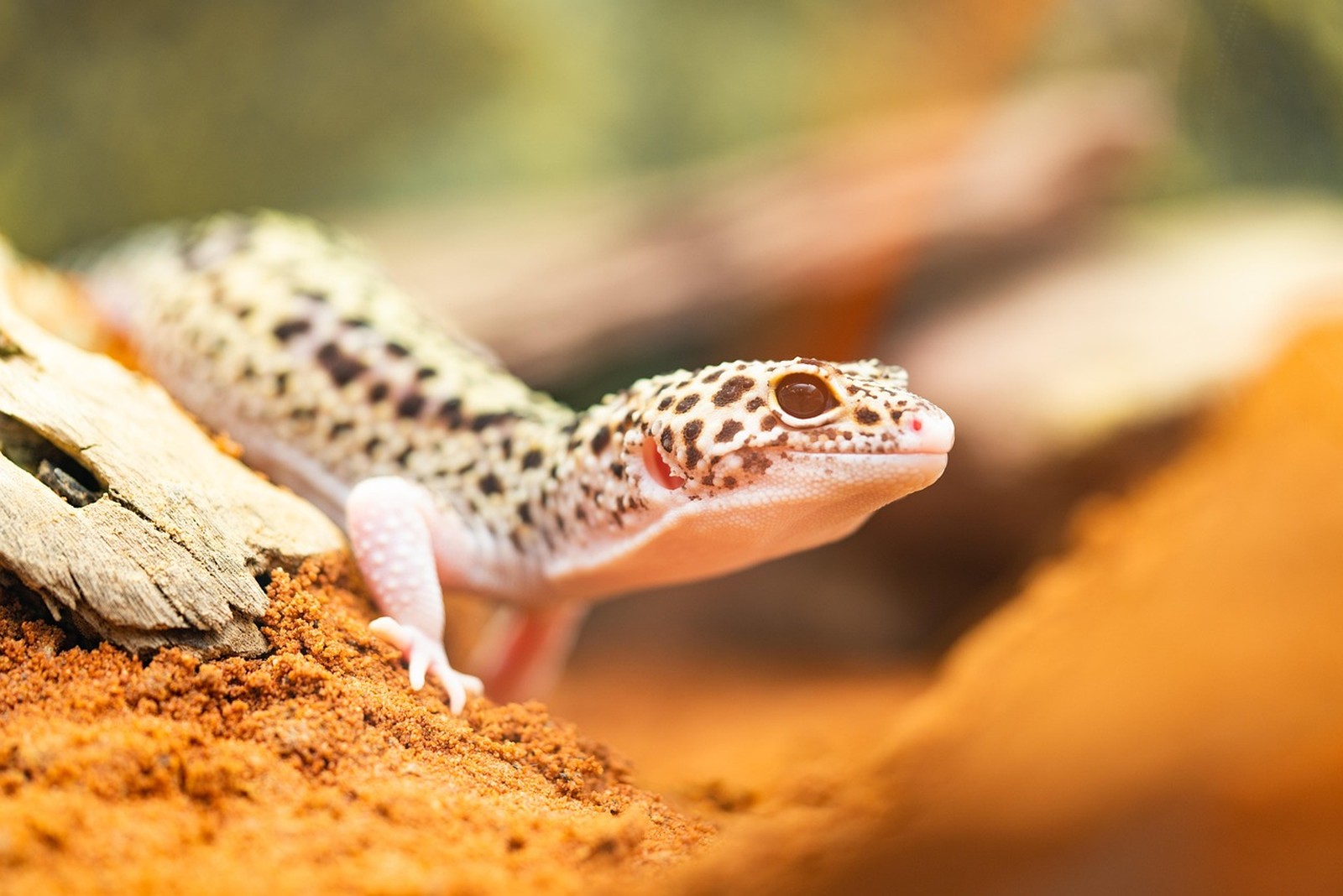
Run your reptile's UVB light for ten to twelve hours a day. That photoperiod mirrors the tropical and temperate day lengths most pet reptiles evolved under, giving them time to bask, make vitamin D3, absorb calcium from food, and settle into a proper night. A common pattern is about twelve hours through summer, easing to ten or eleven in winter, which also gently cues natural seasonal behaviour in species that slow down in the cooler months.
Hours Are Only Half the Question
Duration works only when intensity and distance are right. A desert animal such as a bearded dragon or uromastyx needs strong UVB across those hours, positioned at the maker's recommended distance from the basking spot, with no glass or fine mesh between lamp and animal, since both block UVB. A forest or crepuscular species such as a crested gecko or leopard gecko needs the opposite balance: low-level UVB available during the day, dense shade and hides to escape it, and no expectation that the animal will bask in the open like a dragon.
Ferguson zones, the scale keepers use to match UV levels to species, are worth looking up for your exact animal rather than guessing from a similar-looking one. Two lizards the same size can sit at opposite ends of the UV scale, and ten hours of the wrong strength is worse than useless, risking eye and skin damage at the high end or metabolic bone disease at the low end.
The Timer Is Not Optional
Put UVB and basking heat on a timer and check it weekly. A photoperiod that depends on someone remembering a switch drifts within a fortnight: lights left on for sixteen hours during a busy week, or forgotten entirely over a holiday, wrecking appetite, sleep, and calcium uptake quietly. Consistency matters as much as the number; reptiles read day length as information, and a stable ten hours beats an erratic twelve.
Replace the bulb on schedule, not on failure. Tubes and compacts lose UV output long before the visible light fades, commonly needing replacement every six to twelve months depending on type and maker. Write the install date on the bulb itself or in your care notes, because a lamp that looks perfect in month fourteen may be delivering almost no UVB at all.
Reading Your Animal's Response
A reptile on the right cycle basks openly or shuttles between light and shade through the day, eats reliably, and sheds cleanly. Hiding all day from a new lamp can mean the intensity is too high or cover is too sparse; lethargy, soft jaw, tremors, or repeated poor sheds point the other way and deserve a vet visit and an honest audit of bulb age, distance, and hours, in that order.
Daily lamp checks are small, forgettable, and shared across a household, which is exactly how they get missed. KinsLe's Care Teams lets you assign the morning lamp check, feeding, and misting for each reptile to named family members, with each completed duty timestamped, so your ten-to-twelve-hour UVB day is verified daily rather than assumed from a glowing light.