
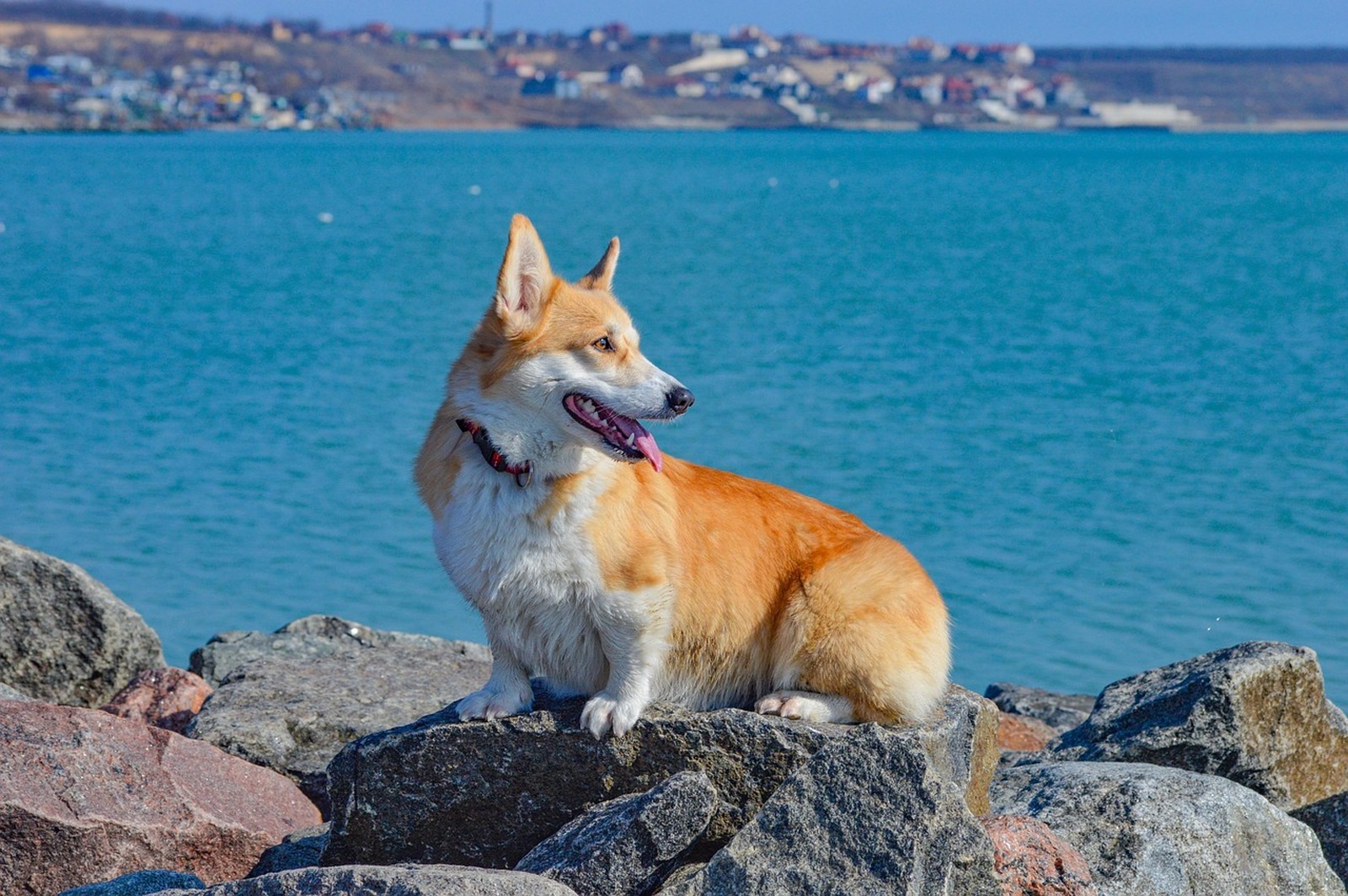
Two Meals a Day — Measured, Not Estimated
An adult Pembroke Welsh Corgi should eat two meals a day, one in the morning and one in the evening, each containing half of a carefully measured daily ration. Two sittings suit a Corgi's digestion and give you two daily checkpoints on intake, which matters enormously in this breed: the Pembroke combines a herding dog's substantial build, a famously persuasive appetite, and a frame that shows — and suffers from — surplus weight faster than most.
One meal a day means one very long, hungry stretch for a dog bred to work all day, and free-feeding is worse: a Corgi with an open bowl will simply keep eating, in instalments, all day long. Two measured meals are the structure that keeps this breed honest.
Puppies: Frequent Meals, Careful Amounts
Pembroke puppies eat four small meals a day at first, then three, reaching two meals at around six months. Corgi puppies are sturdy and grow quickly, and it is tempting to feed for the round puppy shape — resist it. Follow the puppy food's guide, weigh the puppy regularly, and keep growth steady and lean; the joints and long spine of a Corgi are built during these months, and carrying excess weight while they develop is a poor start.
As you remove meals during the step-down, redistribute the food across the remaining sittings over a week or two so the total stays constant. A puppy who is not thriving — poor growth, repeated loose stools, or a dull, disinterested attitude to food, which is very un-Corgi — should be seen by a veterinarian.
Weight Is a Back Issue in a Corgi
Portion control in this breed is not cosmetic. A Pembroke's long back is supported by short legs and a hard-working frame, and every extra pound increases the load that back and those joints carry with every stair, jump, and garden dash. Keeping a Corgi lean — ribs felt easily under a light covering, a visible waist from above and the side — is one of the most protective things an owner can do across the dog's whole life.
That is why the two meals must be measured with a scale or consistent scoop rather than poured by eye, and why treats come out of the daily total. If weight is creeping despite honest measuring, talk to your veterinarian about the ration and the dog's activity rather than cutting a meal — two smaller bowls, not one, remains the right pattern.
Energy, Work, and Adjusting the Bowls
A Corgi in full pet life — long walks, training, play — may need the upper end of the food's guide, while a quieter, older dog needs distinctly less in the same two bowls. Change amounts in small steps and judge by your hands over a few weeks, not by the dog's testimony, which will always be that starvation is imminent.
Senior Corgis stay on two meals, with the amount matched to their slower pace and any vet advice from senior checks. A Corgi of any age who suddenly loses interest in food, loses weight without explanation, drinks excessively, or struggles to move comfortably should be examined by a veterinarian; in a breed this food-committed, a skipped meal is information, not a mood.
Stopping the Second Helping at Source
Corgis are champion opportunists, and their most reliable extra meal is the duplicate: one family member feeds dinner, the dog performs hunger for the next, and dinner happens twice. In a breed where ounces matter, that accident, repeated, is a weight problem with a paper trail nobody kept.
KinsLe Care Teams keeps the trail for your Pembroke Welsh Corgi, assigning breakfast and dinner to specific people and marking each completed feed with a timestamp, so the performance, however convincing, cannot produce an encore bowl.