
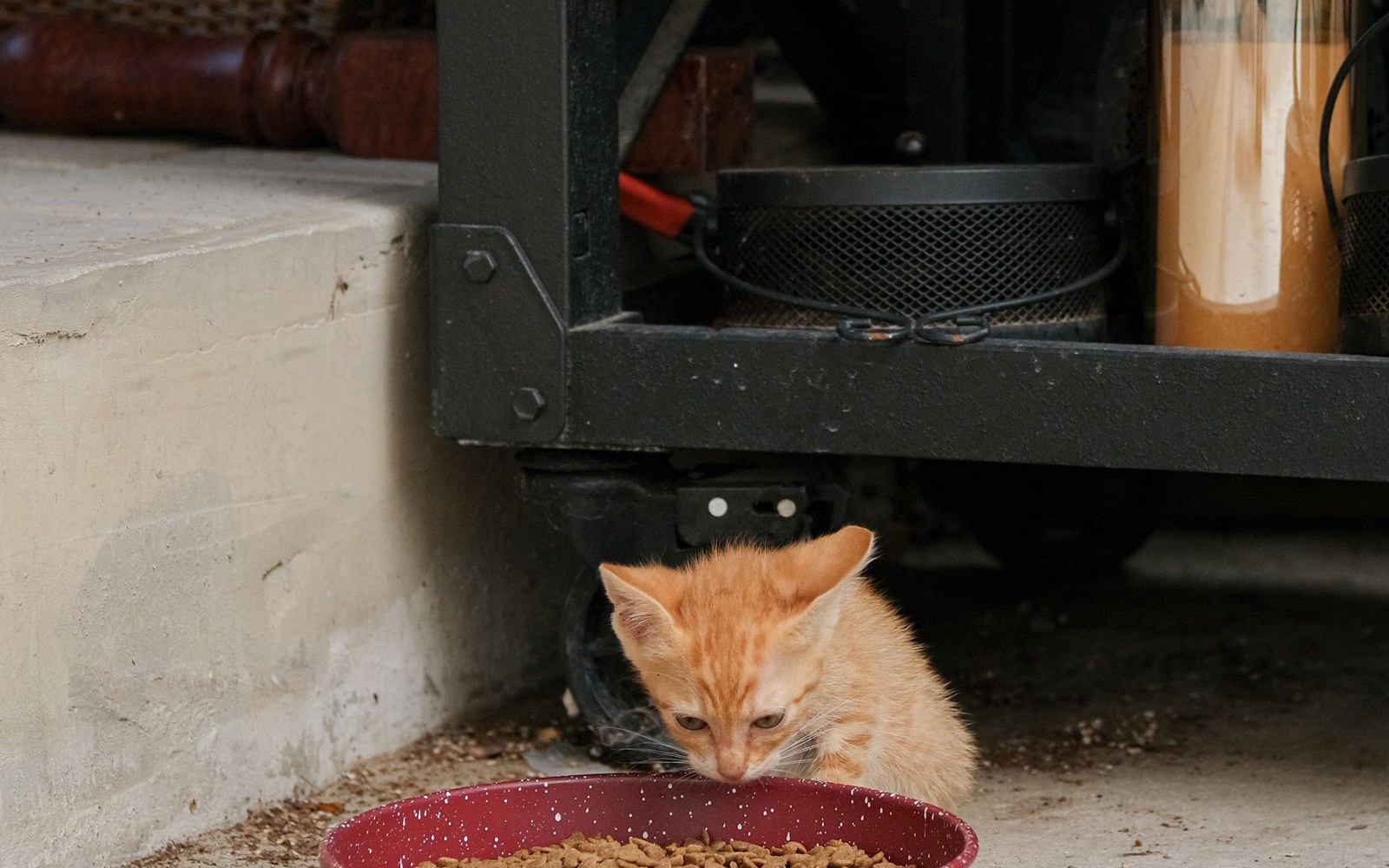
A young kitten usually needs three to four small meals a day until about six months old, because their stomach is tiny, their growth is rapid, and their energy burns off in wild bursts of play followed by deep sleeps. After six months, most kittens can gradually move to three meals, and then to the two-meal rhythm most adult cats keep.
Why kittens cannot eat like adult cats
In their first months, kittens are building bone, muscle, brain, and immune system all at once, roughly doubling and redoubling their size in weeks. They simply cannot fit a day's worth of growing fuel into one or two sittings. Spread the same daily amount across more, smaller meals and digestion stays comfortable — overfilled kittens tend to get loose stools, gassiness, and food coming back up.
Think of it by stage:
- Under 8 weeks: kittens are still nursing or transitioning to solid food with their breeder, rescue, or mother.
- 8 to 12 weeks: four small meals a day of kitten food, offered at regular times.
- 3 to 6 months: three to four meals a day works well as growth stays fast.
- 6 to 12 months: taper toward two or three meals as growth slows and neutering changes energy needs.
What to put in the bowl
Feed a food labelled for kittens or for growth — it is more calorie- and protein-dense than adult food, with nutrients like DHA that support development. Keep fresh water available at all times in a separate spot from the food. If you change foods, mix the new one in gradually over about a week to avoid upsetting a small stomach.
Warm wet kitten food slightly if a youngster seems hesitant; the smell is stronger and more inviting. And measure loosely rather than letting a kitten graze all day — even at this age, knowing what went in and what was refused tells you a great deal.
Turning four meals into a workable routine
Four feedings sounds daunting until you anchor them: breakfast, midday, late afternoon, and a final meal before bed. That last evening meal matters — a kitten fed right before your bedtime is far more likely to sleep through than one who gets hungry at 3 a.m. and decides your face is the alarm clock.
If work takes you out at midday, a timed feeder can cover one meal reliably. Keep portions consistent and check the feeder weekly so a jam or flat battery does not silently skip a growing kitten's lunch.
Signs your kitten's schedule needs a vet's input
Healthy kittens gain steadily, feel rounded rather than bony, and attack meals with enthusiasm. Ask your veterinarian for guidance if your kitten refuses food for more than a meal or two, loses weight, has persistent diarrhea, or seems lethargic between naps. Very young, orphaned, or underweight kittens sometimes need a tailored plan, and that is a conversation for your vet, not guesswork.
Questions That Come With a Busier Schedule
A four-meal rhythm raises fresh questions almost weekly: whether a refused midday meal means portions are too big, or when a five-month-old can drop to three meals. Kimmy, the built-in AI assistant in KinsLe, is there for those follow-ups — ask as each one comes up, and the reply draws on the KinsLe Answers library's kitten feeding guidance, so it fits this stage rather than adult-cat rules. As meal counts taper toward the adult rhythm, Kimmy on KinsLe answers further questions you ask about kitten feeding schedules, drawing on KinsLe Answers.