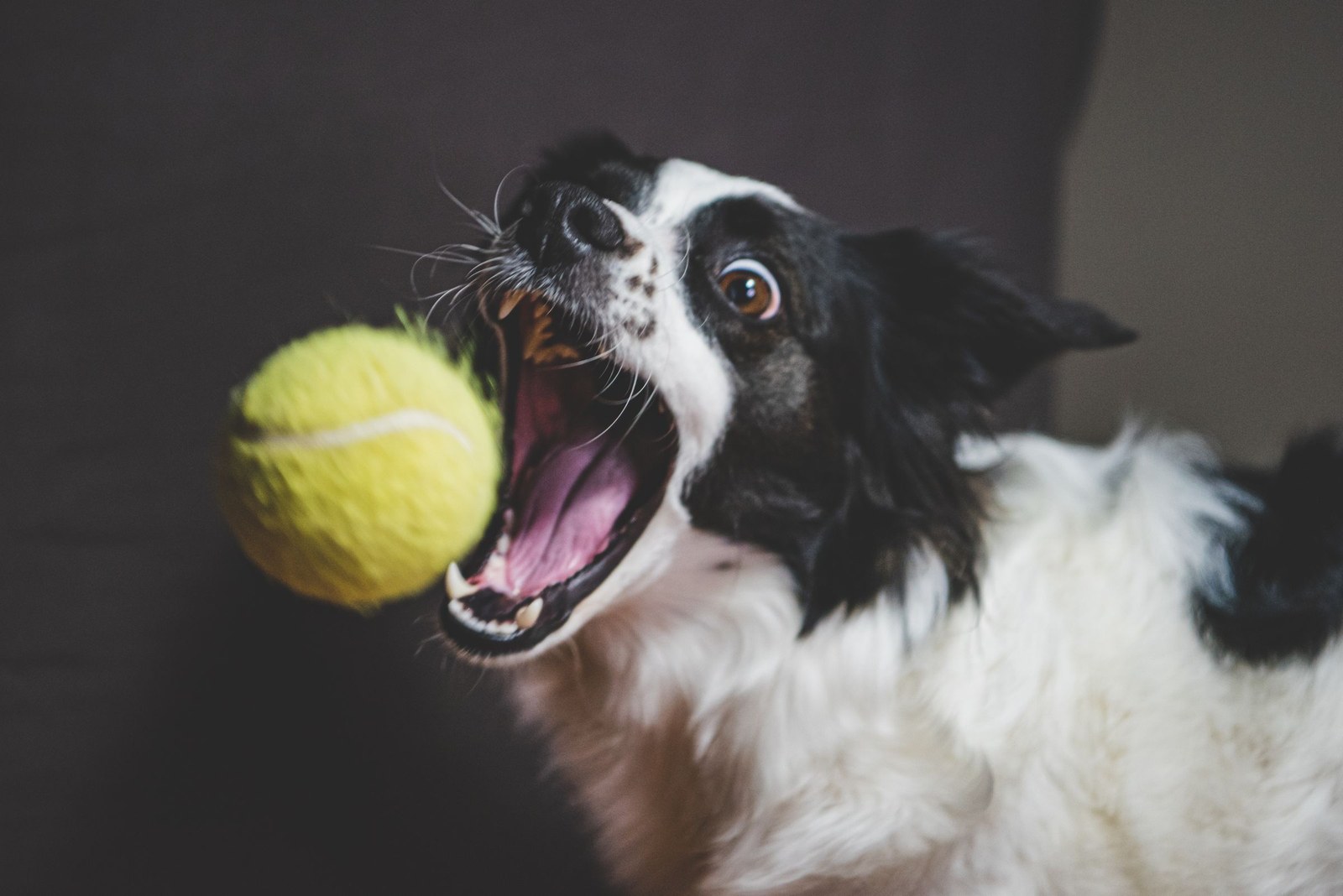
Most adult dogs do well with at least an hour of activity a day, but that number is a starting point, not a rule. Breed, size, age, and individual energy level matter enormously: a young border collie or pointer may need two hours of combined physical and mental work to be pleasant to live with, while a laid-back basset hound or a senior-leaning adult may be genuinely satisfied with a couple of unhurried strolls and a good sniff around the garden. Judge the dose by your dog's behavior, not the clock alone.
Match the exercise to the breed and the dog
Working and sporting breeds were built for jobs: herding, retrieving, and running all day. Huskies, Australian shepherds, vizslas, and spaniels typically need substantial outlets — longer walks, running games, swimming, or structured sports — plus training to occupy their brains. Toy and companion breeds, like shih tzus and Cavalier King Charles spaniels, need far less mileage but still need daily outings; small legs do not mean small needs for novelty and sniffing. Brachycephalic breeds such as bulldogs and pugs need gentler pacing and extra care in warm weather, since breathing limits their stamina. Mixed-breed dogs land wherever their mix and temperament points, so watch the individual in front of you.
Mix the menu: body, nose, and brain
A bored dog with tired legs is still a bored dog. The most satisfying exercise plans rotate through:
- Walks with sniffing time — the daily staple; let your dog investigate rather than marching them past every smell
- Play — fetch, tug, and flirt-pole games in short, enthusiastic bursts
- Training games — ten minutes of learning new tricks burns surprising amounts of mental energy
- Enrichment at home — puzzle feeders, scatter feeding in the grass, and cardboard box foraging on rest days or in bad weather
Variety also protects joints and motivation: the same route at the same pace every day under-uses some muscles and under-stimulates the mind.
Signs you have the dose wrong
A restless, destructive, demand-barking dog who cannot settle in the evening is often an under-exercised dog — though pain and anxiety can look similar, so sudden changes deserve a vet check. Overdoing it has signs too: limping after activity, lagging behind, excessive panting, reluctance to go out, or soreness the next morning. Track weight as part of the picture: exercise needs to match food intake, and a dog gaining weight while "getting an hour a day" may need more movement, fewer treats, or both. Sleep is a good barometer as well — well-exercised dogs sleep deeply and wake up ready, rather than wired.
Safety basics for daily exercise
Build duration gradually when starting a new routine, especially after illness, injury, or a lazy winter. In summer, walk early or late, choose shade and grass over hot pavement, carry water, and know that humidity is as risky as heat for heavy-breathing breeds. In winter, watch for ice, salt-treated sidewalks that irritate paws, and shortened daylight that calls for reflective gear. Puppies and adolescents need age-appropriate limits — this article is about adults — and any dog who coughs, collapses, or cannot recover their breath promptly needs veterinary attention, not another lap.
Share the workload with Care Teams
An hour-plus a day, every day, is a real commitment for one person — and it is exactly the kind of routine that falls apart in busy households, where the dog gets walked twice by accident one day and not at all the next. KinsLe's Care Teams let you assign the daily walks, play sessions, and feeding to different family members, with timestamped completions so everyone can see what has actually been done. The morning walker knows the evening game is covered, and your dog gets the steady, complete routine their body and brain need. Care Teams on KinsLe make that shared walking schedule visible, so each assigned walk or play session shows as completed once its timestamp lands.