
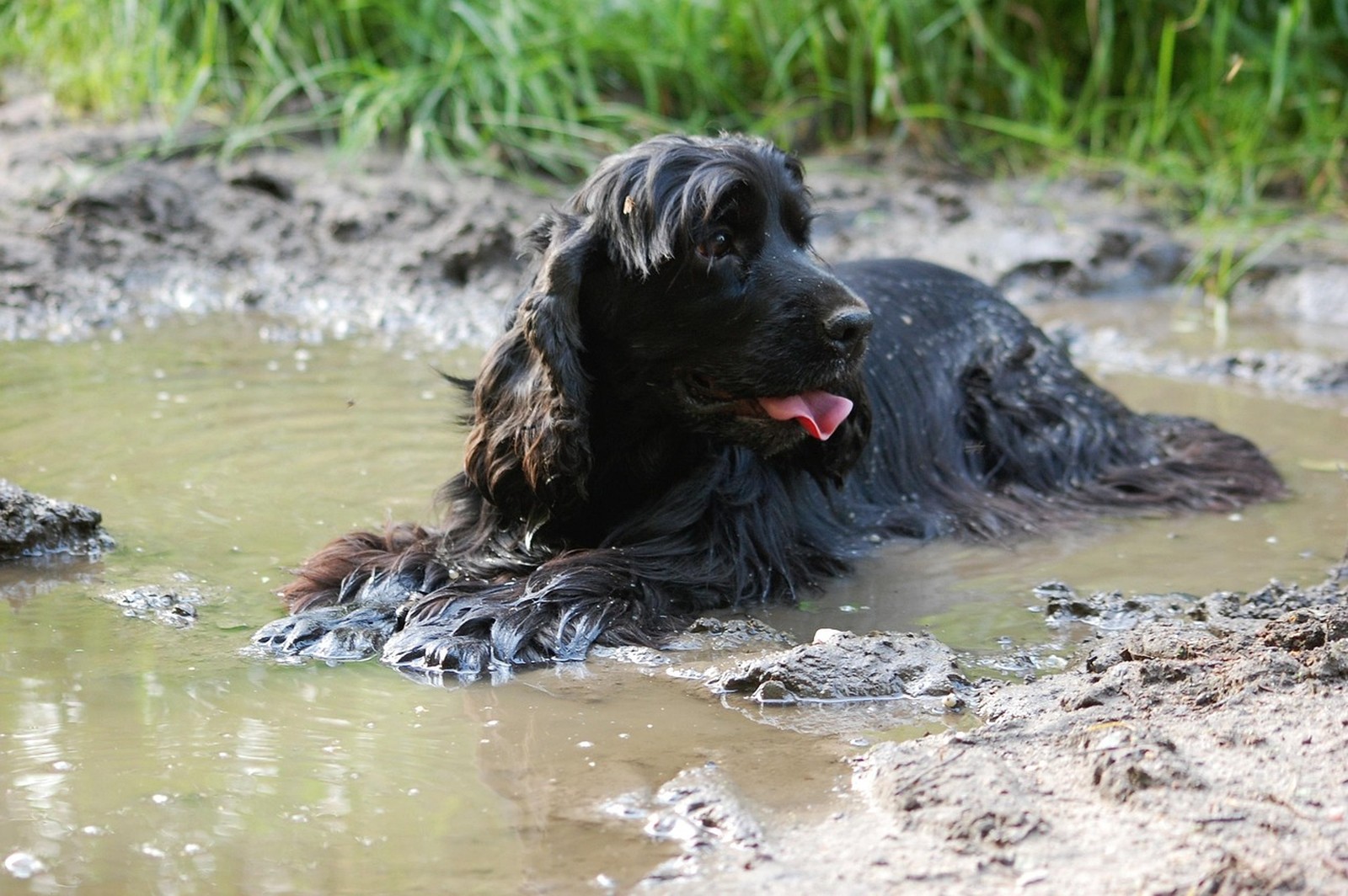
Silk, Feathering, and the Salon Cycle
A Cocker Spaniel's coat is the first thing people admire and the first thing that sets the monthly bill. That glossy silk comes with feathering on the ears, chest, legs, and belly that tangles, collects burrs and seeds on country walks, and mats painfully if it is ignored. Most pet Cockers are kept in a practical clipped style, which means professional grooming on a regular cycle, and the appointment for a full, feathered spaniel is a meaningful monthly cost.
The alternative is home grooming, which trades money for skill and time: clippers, blades, brushes, and a dog taught to stand for all of it. Either route is legitimate. What is not viable is the third route, hoping the coat manages itself, because the dematting or shave-down that follows costs more and stresses the dog.
Ears: The Breed's Signature Expense
Those long, low, heavily feathered ears are beautiful and badly ventilated. Warm, moist ear canals under that covering are prone to wax build-up and infection, so a Cocker's month should include routine ear checks, gentle cleaning as advised, and keeping the hair around the ear opening tidy. Owners who build this habit spend less over time than owners who wait for trouble.
The signs to act on are specific: head shaking, scratching at an ear, a yeasty or sour smell, redness, or a dog who suddenly resents ear handling. In a Cocker those mean a prompt veterinary visit, because ear infections deepen quickly and become far more expensive, and painful, when they are left. Eye care joins the list, as the breed can develop eye problems with age, so cloudiness or discharge deserves checking rather than assuming it is normal ageing.
Food, Energy, and Everyday Lines
Feeding a Cocker is a moderate line, with one breed-specific warning: spaniels are enthusiastic eaters who gain weight readily, and an overweight Cocker is more prone to ear, skin, and joint trouble. Measured portions and restraint with treats are genuine savings, not meanness.
Exercise costs stay reasonable. A Cocker wants a good daily run and sniff, ideally somewhere it can quarter the ground like the gundog it is, but it does not need paid sport to be content. A decent harness, long line for training, and rotating toys cover most equipment. Training classes are usually money well spent once, early, since Cockers are bright, sensitive dogs who learn quickly with kind handling and can develop guarding habits around prized items if early guidance is skipped.
Why the Weekly Jobs Need an Owner, Not a Memory
Notice how much of a Cocker's cost control is routine rather than purchase: brush the feathering, check the ears, dry the dog properly after wet walks, keep the weight down. None of it is expensive per task. All of it becomes expensive when nobody does it for three weeks. In multi-person households the classic failure is everyone assuming someone else checked the ears.
That is why Cocker owners often run the week like a small rota, with coat, ear, and exercise jobs visibly assigned and ticked off, rather than held in one person's head.
In total, expect a mid-range monthly spend carried by grooming and ear vigilance, and KinsLe's Care Teams turns the spaniel's weekly rota into visible assignments for the whole household, each one timestamped once it is done.