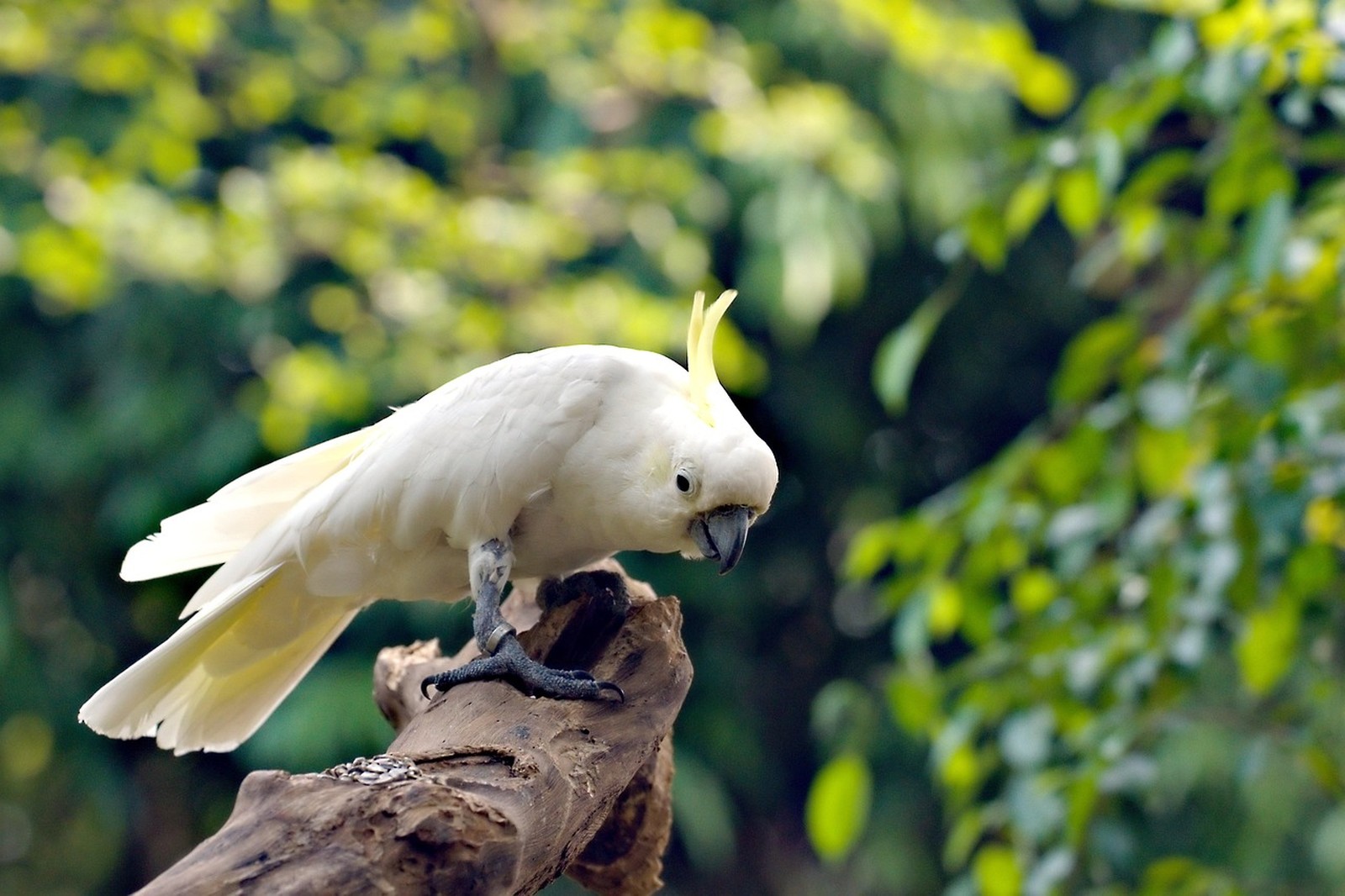
A cockatoo is one of the more expensive birds to run month to month: plan on roughly $165 to $265, and that is a normal month with nothing going wrong. The money goes on food, on a beak that treats toys as disposable, on cleaning up after a very dusty bird, and on saving steadily for specialist vet care.
Where the money goes each month
- Pellets and fresh food, $55 to $85. A quality formulated pellet as the base, plus daily fresh vegetables, some fruit, and cooked grains or legumes. Cockatoos waste cheerfully, flinging and dropping a good share of what you serve, so you buy more than the bird actually eats.
- Nuts and treats, $15 to $25. Walnuts, almonds, and similar nuts in the shell double as foraging work, which a cockatoo needs, but they are priced like human food because they are human food.
- Toys and perches, $40 to $70. This is the line new owners disbelieve. A cockatoo beak dismantles wooden blocks, rope, and natural perches as its daily occupation. Replacing shredded toys is not indulgence; a cockatoo without things to destroy will redirect that energy into screaming, furniture, and its own feathers.
- Cleaning and filters, $15 to $25. Cockatoos coat the room in fine powder down. Expect cage liners, cleaning supplies, and regular air-filter replacements if you run a purifier, which most cockatoo homes eventually do.
- Avian vet reserve, $40 to $60. Set this aside monthly, every month.
The costs outside the monthly list
The start-up bill is steep and separate: a genuinely large, strong cage, a play stand, and an initial health check with an avian vet all land before the first monthly cycle. Ongoing, the reserve matters because avian medicine is specialist medicine. An annual check with blood work costs far more than a cat or dog check-up, emergencies cost more again, and there are fewer avian vets, so you may also pay in travel. Cockatoos can live for many decades — forty years or more is common — so multiply any monthly figure by that lifespan before deciding the bird fits your life, and think about who takes over the commitment if your circumstances change.
Keeping the budget under control
Buy staple pellets and nuts in sensible bulk, make destructible toys from safe untreated wood and cardboard at home, and grow or buy seasonal produce for the fresh portion. Do not economise on the vet reserve or on toy replacement: those two 'savings' are exactly the ones that return as illness or behaviour problems costing far more.
Good records make the expensive parts easier to manage, and KinsLe's Pet Passport keeps your cockatoo's health history, vet visits, and key documents together in one records packet, so when you are facing that specialist bill you can show any avian vet exactly what care the bird has had and when.