The short answer for a Malinois budget
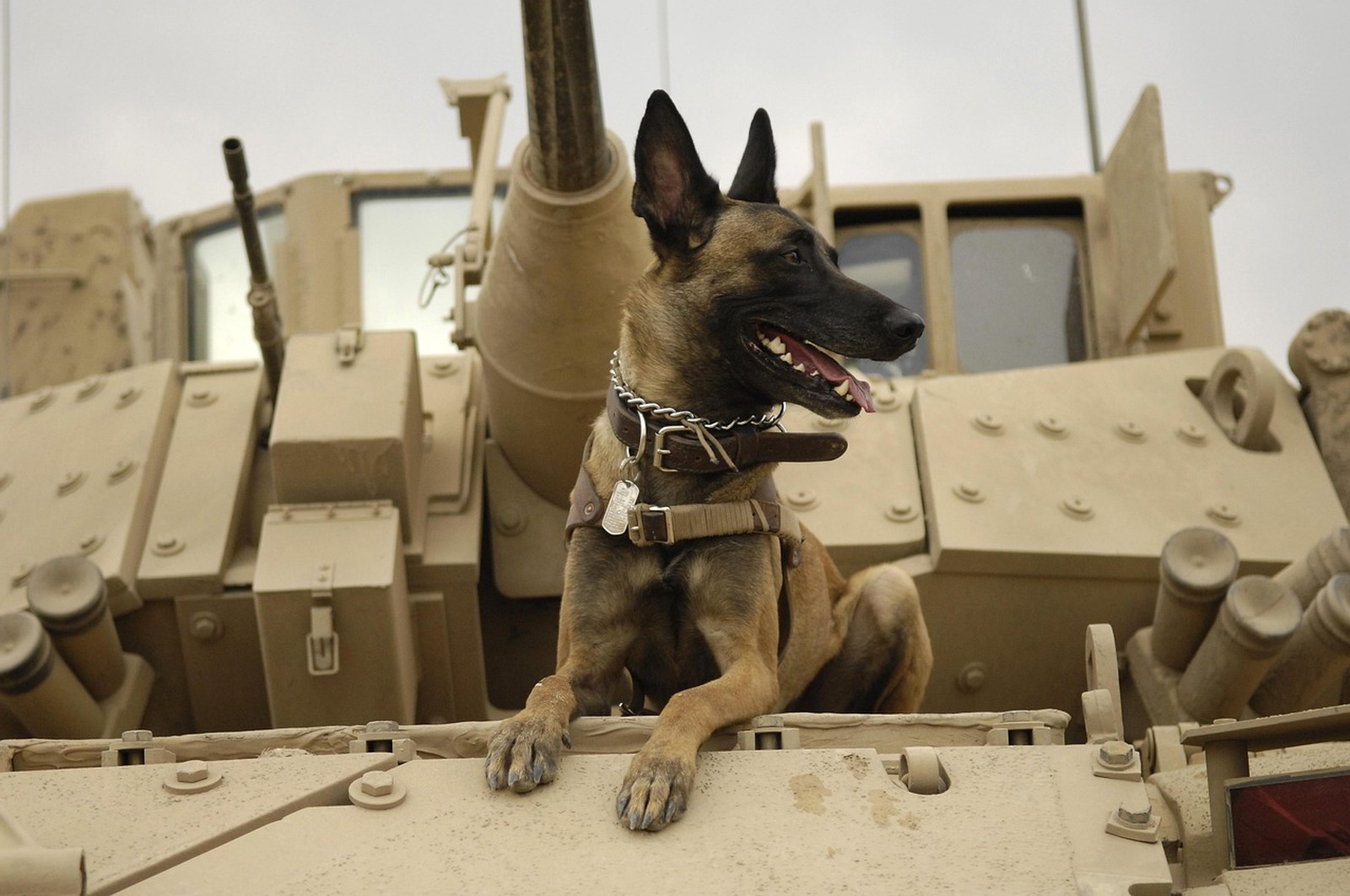
A Belgian Malinois is a moderate dog to feed and a demanding dog to keep properly, and the monthly cost follows the demand, not the dinner. This is a working breed with exceptional drive, intelligence and stamina, developed for tasks that fill a whole day. A pet Malinois still needs that level of occupation, and occupation is where the money goes: training, sport, equipment and often professional help. Owners sometimes describe the breed as inexpensive because the coat is short and the dog is hardy, but that ignores the real ledger, which is measured in structured activity every single week.
Training and occupation: the main expense
Budget for training as a permanent feature of Malinois ownership, not a puppy course that ends. Most owners pay for some combination of ongoing classes, a sport such as agility, scent work or protection sports, one-to-one coaching at sticky points, and the travel and entry costs that go with competing or training away from home. Equipment wears accordingly: reward toys, tugs, long lines, crates and vehicle gear all take hard use from a powerful, enthusiastic dog. Skipping this spend rarely saves money in the long run, because an under-worked Malinois tends to redecorate houses, and replacing skirting boards and sofas out-costs any training club.
Food, exercise help and everyday costs
The food bill reflects an athlete: a lean, muscular dog in hard daily work eats a substantial amount, and working owners often choose higher-energy diets during intensive training periods. Exercise itself is mostly your time, often several hours of combined physical and mental work daily, but owners with jobs frequently buy help, whether that is a skilled walker who can handle a strong, reactive-to-motion dog, day care that genuinely suits the breed, or training walks. Everyday costs otherwise stay ordinary: a sturdy lead and harness, waste bags, and beds that may need replacing if boredom chewing sets in at home. Travel to training grounds belongs in the arithmetic too, since suitable clubs, secure fields and open spaces for a dog like this are rarely waiting on the doorstep.
Health spending to plan around
Preventive care, vaccinations and regular check-ups form the base health budget, and an active working dog benefits from a vet who knows the dog's workload. Report limping, stiffness after rest, or reluctance to jump promptly, because driven dogs hide discomfort and keep working through it, turning small strains into longer, pricier problems. Weight should stay lean for joint health, and sudden behaviour changes in a normally intense dog deserve a vet conversation rather than a training assumption. Keeping a reserve for injury is wise with any dog whose favourite speed is full speed.
Keeping the monthly total predictable
A Malinois month is predictable when the work is scheduled rather than improvised: set training sessions, set exercise, set rest, shared clearly between everyone in the house. Households that split the load well spend less on emergency help and get a calmer dog for it. KinsLe's Care Teams help by letting you assign your Malinois's feeding, training and exercise duties to specific family members or helpers, with each completed task marked by a timestamp, so nothing in a demanding routine quietly slips.