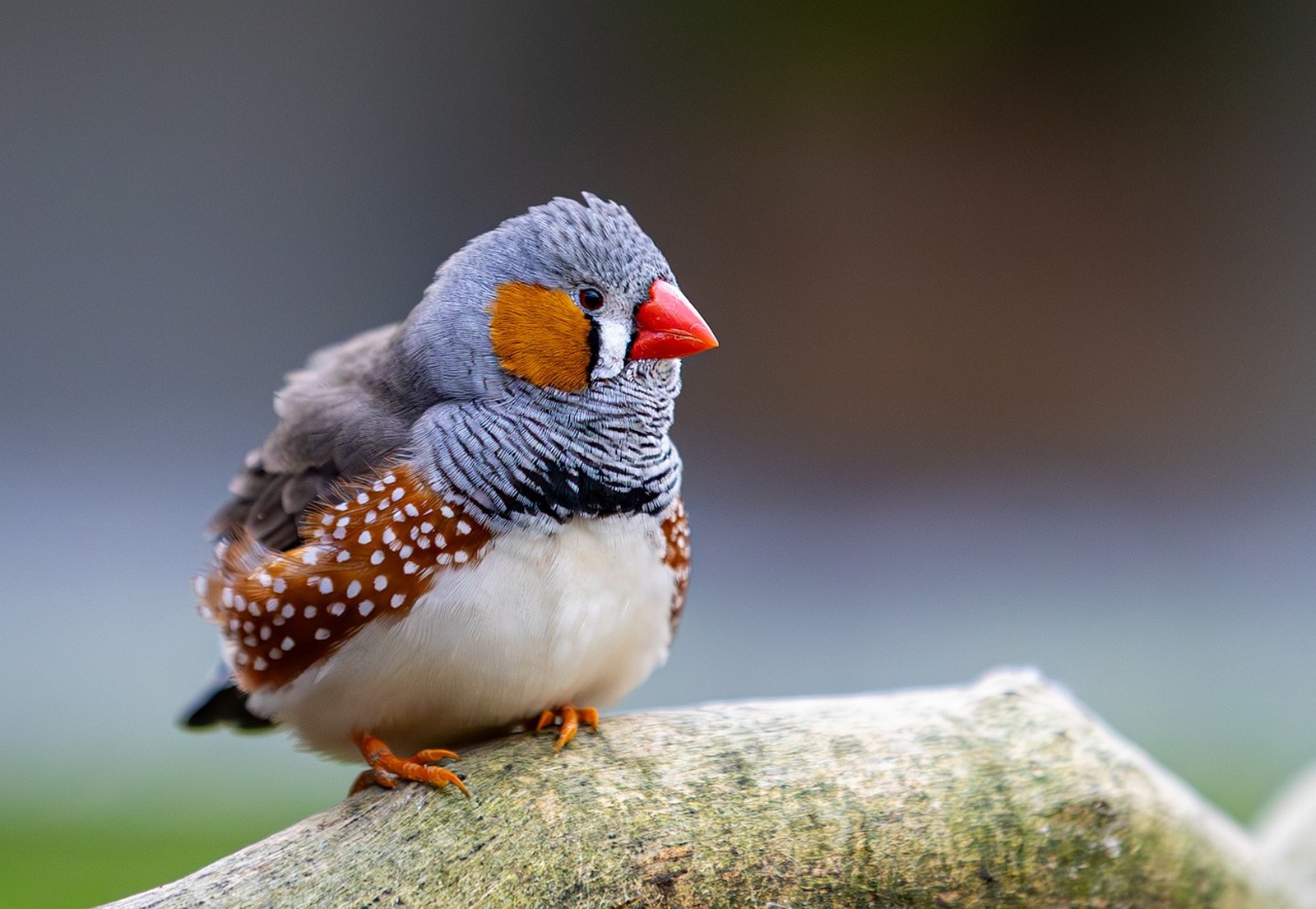
Finches are genuinely inexpensive to keep month to month — roughly $30 to $50 for a pair — but 'inexpensive' is not 'free', and the breakdown has one line that surprises almost everyone: the smallest bird still needs a vet who charges full avian rates.
The monthly lines
- Seed or pellets, $5 to $10. A finch eats tiny amounts, but seed must be fresh. Old, dusty seed that has sat open for months loses its value, so buy small bags often rather than one huge bag rarely.
- Fresh extras, $5 to $8. Leafy greens, grated carrot or broccoli, and a little egg food, especially outside the breeding season in modest amounts, round out a seed-only diet that is otherwise too narrow.
- Cuttlebone and minerals, $2 to $4. A cuttlebone or mineral block for calcium wears down slowly and costs little.
- Liners and cleaning, $3 to $5. Tray liners or sand sheets, changed often in a cage housing several small, busy birds.
- Cage and perch reserve, $5 to $8. Natural perches foul and wear, dishes crack, and a flight cage eventually needs attention.
- Avian vet reserve, $10 to $15. The biggest single line, deliberately.
Why the vet fund is not optional
Finches are flock birds, usually kept as a pair or a small group, and illness moves through a group quickly. An avian vet's examination fee does not shrink with the patient, and treating or humanely managing a sick finch costs what it costs. Finches also hide illness until late, so the reserve is what lets you act the day you notice a bird sitting fluffed and silent at the bottom of the cage instead of debating the bill. Ask an avian vet for a plain health check when you first bring finches home; that visit comes out of the same fund.
Start-up and occasional costs
Spend properly once on the cage: finches need a wide flight cage, because they exercise horizontally, not a tall narrow one. That purchase dwarfs any monthly line. After that, occasional costs are modest — replacing a worn cage cover, extra perches, or care while you are away. One genuine budget trap is breeding: a mixed pair given a nest will use it, repeatedly, and a cage suddenly holding ten finches eats, dirties, and needs housing at several times the original cost. If you are not set up to breed, keep pairs in a way that does not encourage it and ask your vet or supplier how to manage eggs responsibly.
Day to day, the main waste in a finch budget is duplicate buying in a shared household — two bags of seed, the wrong greens — so agree one shopping list between you and stick to it. An adult child or grandparent selected by the owner can be handed the profile for the finches via KinsLe Family Sharing.