
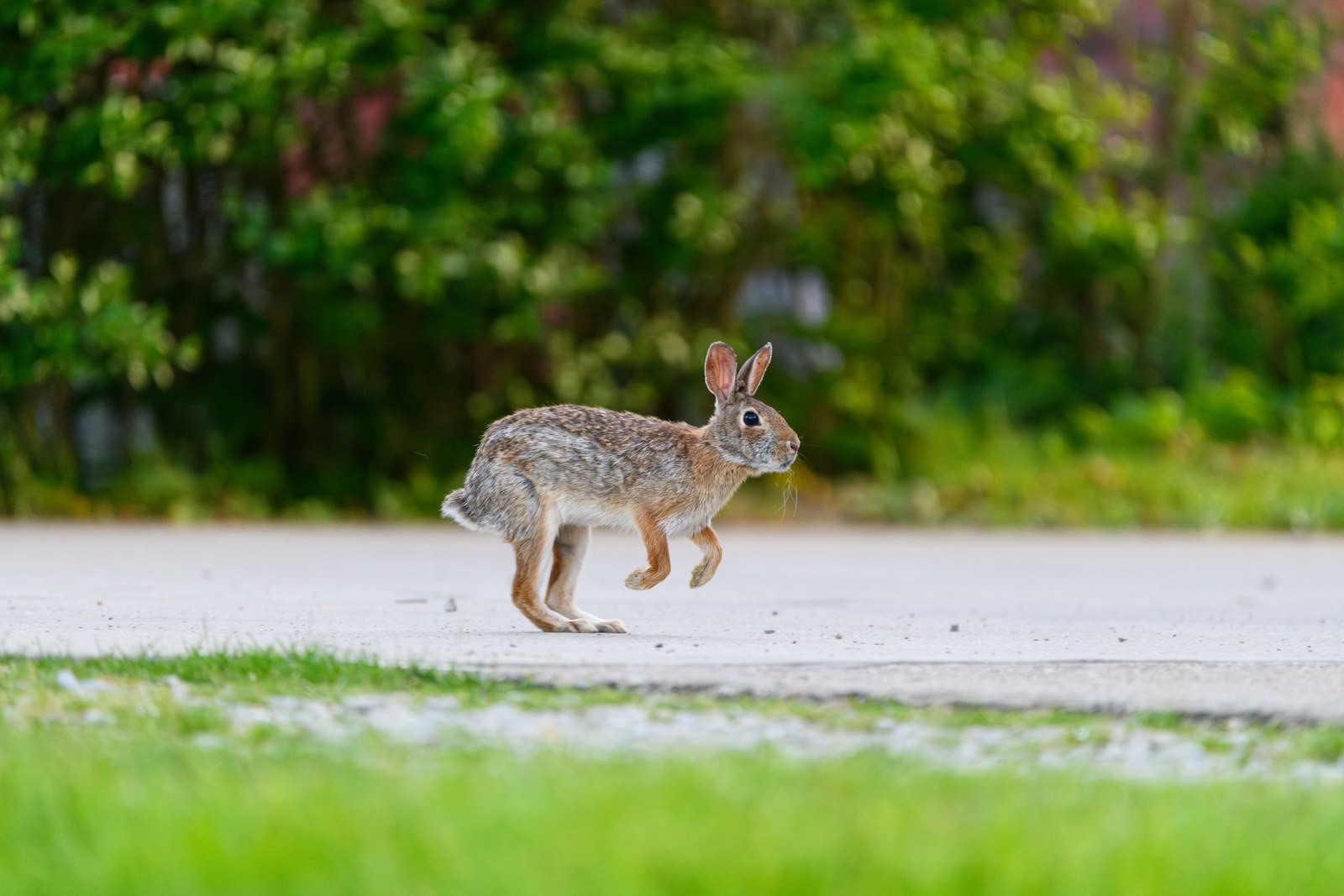
Most rabbits need several hours of exercise outside the pen every day — aim for at least three to four hours, and more whenever you can, ideally including the early morning and evening when rabbits are naturally most active. That time out is not a bonus or a weekend treat; it is a core part of keeping a rabbit fit, curious, and calm.
Why Out-of-Pen Time Matters So Much
In the wild, rabbits cover a lot of ground grazing, exploring, and socializing. A pet rabbit's body and mind are built for that movement. Regular exercise supports healthy weight, strong muscles and bones, and good digestion — movement helps keep the gut working, which is central to rabbit health. It also burns off the energy that otherwise comes out as bar chewing, digging up carpet corners, thumping at midnight, or nipping for attention.
You will see the payoff in classic happy-rabbit behavior: full-speed laps around the room, sudden joyful leaps and twists in mid-air (binkies), and dramatic side flops when a rabbit feels safe and pleasantly tired.
Rabbit-Proof Before You Open the Door
A safe exercise space makes longer sessions possible, because you can relax instead of hovering. Before the first outing:
- Cover or block every electrical cord — split-loom tubing, cord covers, or furniture barriers; rabbits seek out cables with uncanny dedication
- Block access behind heavy furniture and to baseboards you care about, using panels or boxes
- Move houseplants, shoes, books, and bags out of reach, and check plant safety — many common houseplants are toxic if chewed
- Close off escape routes, warn everyone in the house that the rabbit is out, and keep other pets separated unless introductions have been carefully managed
- Lay down a rug or mat if floors are slippery, since rabbits have little grip on polished wood
A bathroom, hallway, or kitchen with a baby gate often makes an excellent starter exercise room.
Making Playtime Interesting
Rabbits are foragers and explorers, not fetch players. Scatter a few favorite greens in a cardboard castle, hide treats inside a toilet-roll "cracker," provide tunnels to race through, and rotate chew toys — willow baskets, apple wood, seagrass mats — so the room feels new. Sit or lie on the floor and let your rabbit investigate you; floor-level hangouts are some of the best trust-building time you will get. Supervise the whole session, especially with a new rabbit or a new room.
If your rabbit spends sessions hiding, add more hideaways and cover, keep the room quiet, and let them set the pace. Confidence usually grows over a week or two of predictable outings.
Handing the Routine to a Sitter With KinsLe Care Pass
Exercise time is the first thing that quietly disappears when a sitter takes over — the pen looks fine, so the rabbit stays in. KinsLe's Care Pass solves that by spelling out the daily routine in a temporary, scoped link your sitter can open with no account or app needed: out of the pen for the evening session, which room, which cords are blocked, and when to settle your rabbit back in with hay and water. Your rabbit's best hours stay protected even while you travel. Care Pass on KinsLe can grant your rabbit's regular caregiver access only until you return, limited to the evening exercise routine, the rabbit-proofed room, and the hay-and-water reset.