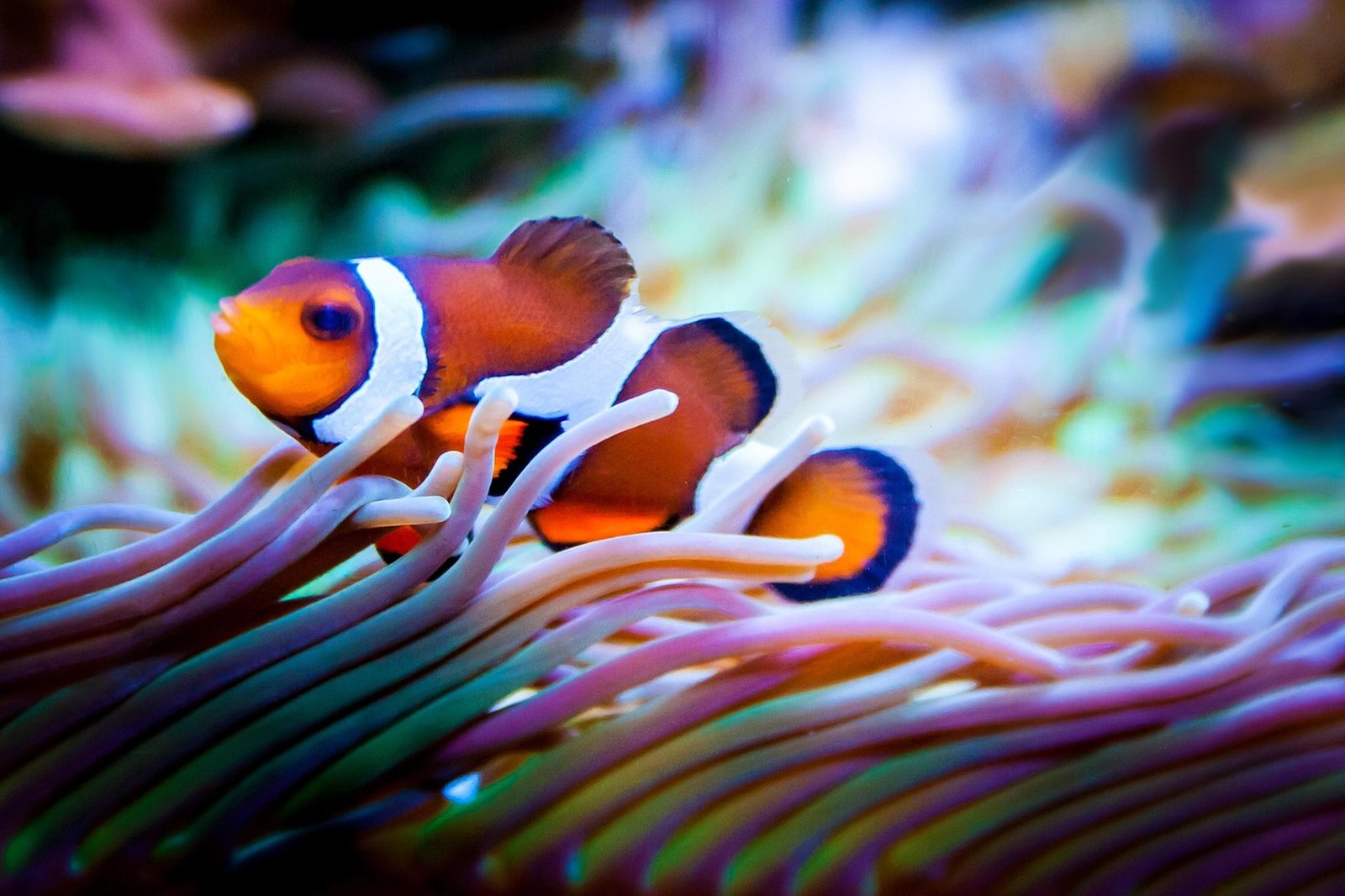
A saltwater tank is harder than a freshwater one in specific, countable ways — not mysteriously harder, just carrying extra jobs, extra equipment, and a higher price for mistakes. Both types need a cycled filter, partial water changes, and basic testing. The marine side then adds salinity management, evaporation top-offs, protein skimming, and livestock that is both pricier and less forgiving of sloppy water. Knowing exactly where the difficulty sits lets you judge whether it fits your life.
The Water Itself Is a Job
Freshwater changes are simple: treat tap water for chlorine, match the temperature, pour it in. Saltwater changes start a day earlier. You mix marine salt into purified water, circulate and warm it, then check the salinity — typically around 1.020 to 1.025 specific gravity for a fish-only tank, a touch higher for a reef — with a refractometer before it goes anywhere near the fish. Between changes, evaporation quietly concentrates the tank: water leaves, salt does not. So every day or two you top off with fresh purified water to hold the level and salinity steady, a task freshwater keepers simply never face, and one many marine keepers eventually automate because missing a week of top-offs swings the salinity the fish live in.
Testing and Equipment Multiply
A freshwater keeper can run a healthy tank testing ammonia, nitrite, nitrate, and pH. A marine keeper tests those plus salinity constantly, and a reef keeper adds alkalinity, calcium, and magnesium, because corals build skeletons out of minerals pulled from the water. The equipment list grows the same way: a protein skimmer that pulls dissolved waste out as foam and needs its cup emptied and cleaned weekly, stronger lighting if corals are involved, often a sump, and a supply of purified water that freshwater tanks rarely demand. Each item is another purchase, another plug, and another thing to maintain.
Cost and Forgiveness
Marine fish and invertebrates typically cost more than comparable freshwater livestock, they are stocked more slowly and sparingly, and many are wild-caught specialists with narrower tolerances — a chemistry swing a hardy freshwater fish shrugs off can kill marine stock overnight. That is the honest shape of the difficulty: not hours more work each day, but less room for error and a weekly routine — mixing water, testing, skimming, topping off, plus regular partial changes of roughly 10 to 20 percent — that cannot be skipped when life gets busy.
Plenty of beginners succeed by starting fish-only, keeping the stocking list short and hardy, and letting the tank mature for months before adding anything delicate. If several people in the home share tank care, KinsLe's Care Teams can assign the top-offs, salinity checks, skimmer cleaning, and water changes to different members with each job timestamped when done, so the stricter marine routine stays exact even when the household's schedule is not.