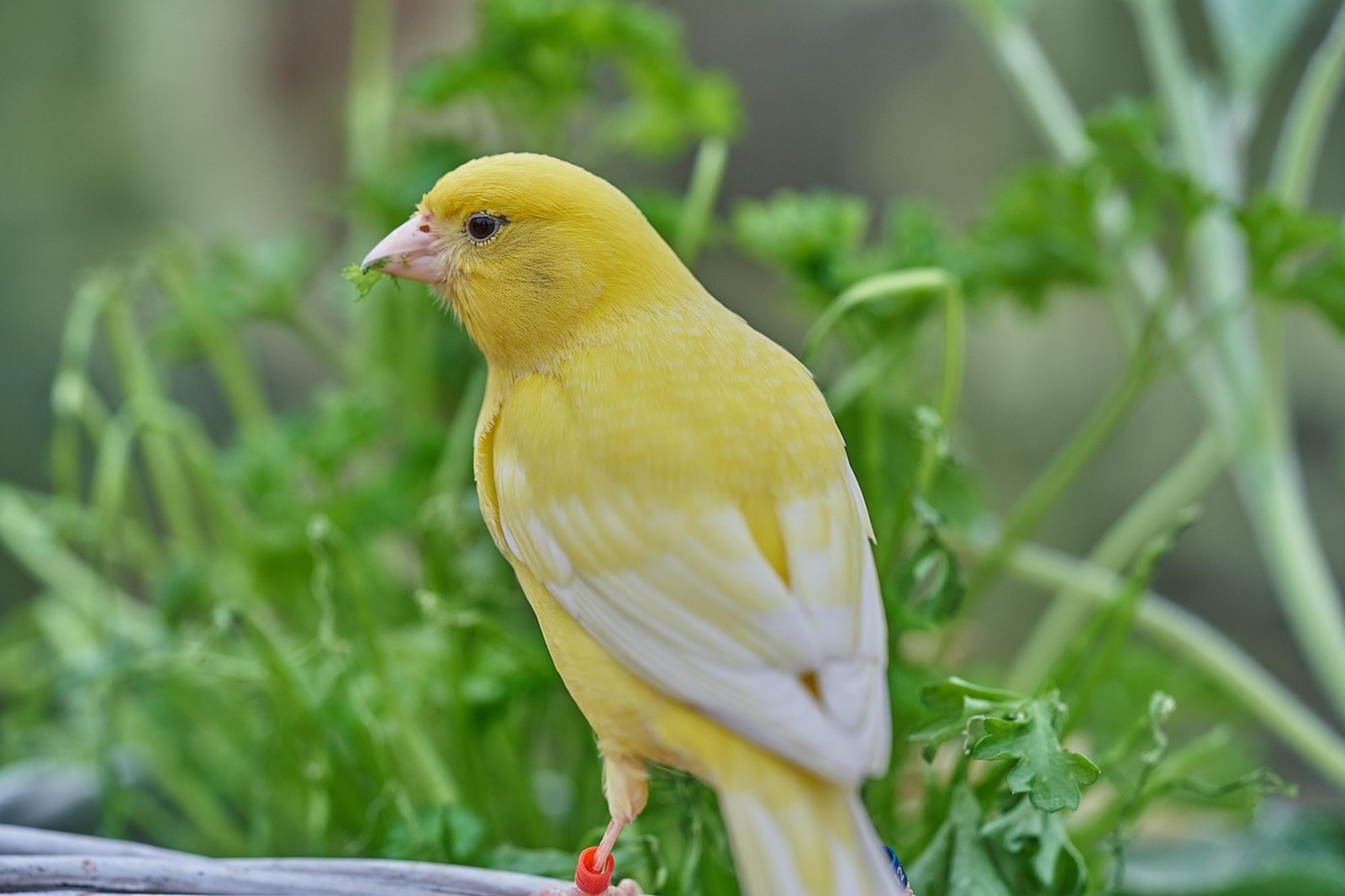
A pet canary does best on roughly 10 to 12 hours of light in each 24-hour day, balanced by 12 to 14 hours of uninterrupted darkness, with the shorter light days paired with the longer nights. That total always adds up to a full day, and it mirrors the settled rhythm a canary's body expects. A bird kept awake late under bright room lights, then woken early, is living on a broken clock even if the cage, seed, and water are all perfect.
Why the length of the day matters so much
For a canary, daylight is not just something to see by. The length of the day, called the photoperiod, helps drive singing, breeding condition, and moult. As days gradually lengthen, a male typically sings more strongly and comes into breeding condition. As days gradually shorten, that pressure eases and the annual moult, when old feathers are replaced, usually follows. Sudden jumps work against the bird: adding several hours of light overnight can push a canary toward breeding behaviour out of season, while erratic short days can leave it quiet, unsettled, and slow to finish a moult.
That is why consistency matters more than chasing a perfect number. Pick a wake time and a sleep time that give your bird its 10 to 12 hours, then hold those times within about half an hour from day to day. If you need to shift the schedule, move it gradually, by about 15 to 30 minutes every few days, rather than in one large step.
Making light and darkness actually happen
A cage near a window gives natural changes in brightness, but keep the cage out of direct midday sun, where a bird with no way to move away can overheat quickly, and away from draughty doors and windows. Ordinary daylight through glass is fine for the daily rhythm, even though glass filters some of the light.
Darkness needs planning too. A canary trying to sleep in a bright, noisy living room, with a television on until late, is not getting the 12 to 14 hours of rest the schedule promises. Move the cage to a quiet, dark room for the night, or use a breathable cage cover that darkens the cage while still allowing air to flow. Covering at the same time each evening also becomes a calm signal that the day is ending.
If winter evenings or a windowless room leave the day too short, a timer on a room light near the cage can extend it in a controlled way. Set the timer once, check that it switches on and off at the intended times for the first few days, and let the bird wake and settle gradually rather than snapping from darkness to full brightness where you can avoid it.
Signs the schedule needs adjusting
Watch the bird, not just the clock. A canary that sings, feeds, bathes, and moves around the cage during its light hours, then settles quietly at cover time, is telling you the routine suits it. Persistent restlessness after covering, long daytime sleeping, a moult that drags on with feathers shed in repeated small bouts, or a sudden loss of song in a previously vocal male are all reasons to review the light hours first, and to seek advice from an avian vet if the change continues or comes with poor appetite, fluffed posture, or altered droppings.
Young, moulting, and older canaries may rest more within the dark period, but they still need a clear division between day and night.
Keeping the routine shared
Light routines fail most often at the edges of the day, when one person uncovers the cage early, another covers it late, and no one realises the bird's day has quietly stretched to 15 hours. Agree the two times, write them on the care plan, and stick to them on weekends as well as weekdays. KinsLe's Care Teams can turn that plan into named morning and evening duties for the people sharing your canary's care, with each completed task timestamped so a stretched day shows up before it becomes a habit.