
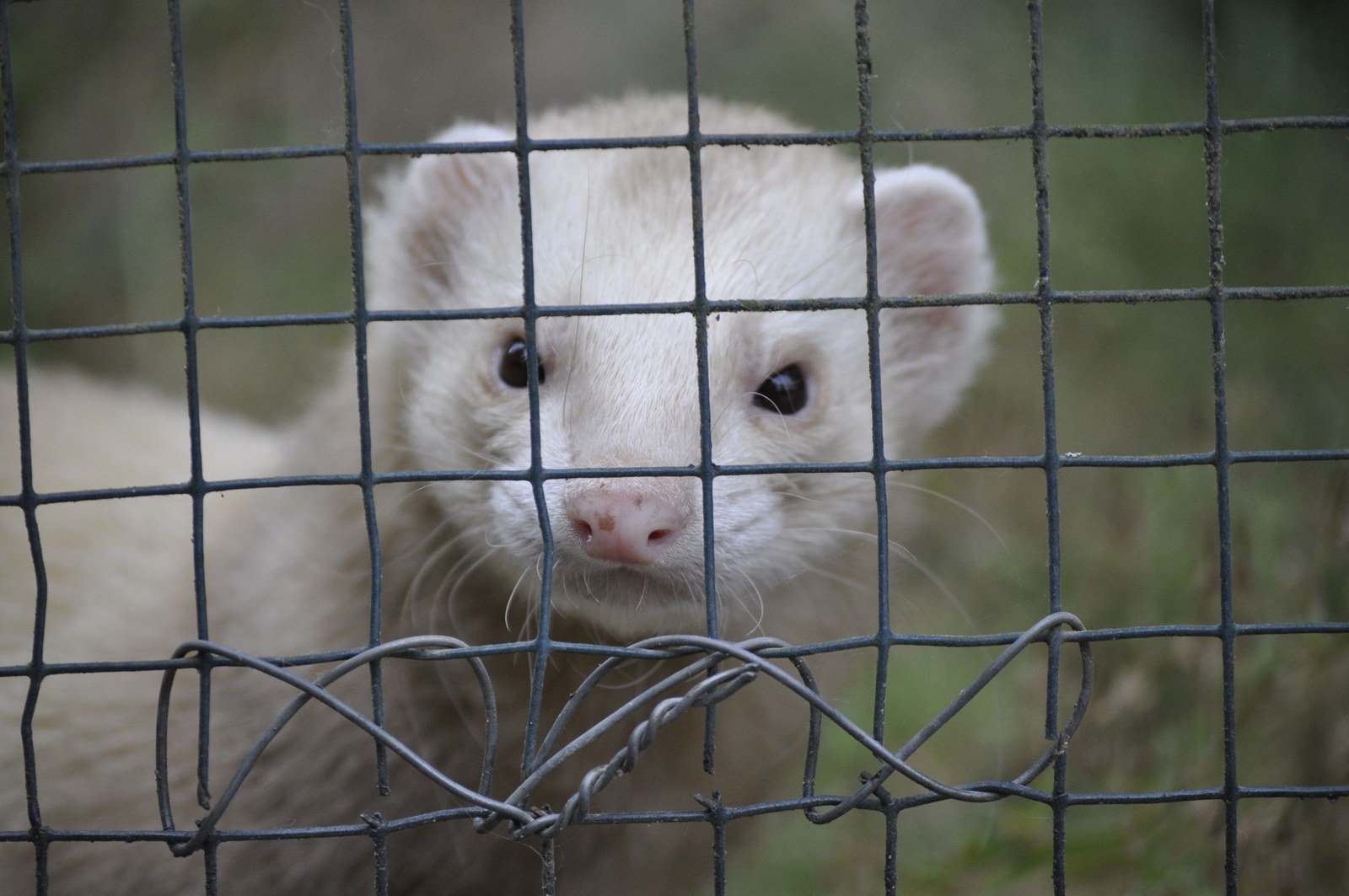
Ferrets need several hours of supervised out-of-cage time every day — aim for at least four hours in total — to run, wrestle, explore, and interact with you. A cage alone, however large, is not enough for such an active, curious, and social animal, and ferrets who are cooped up too long often become bored, frustrated, or depressed.
Why Ferrets Need So Much Freedom
Ferrets sleep a lot — often 14 to 18 hours a day — but their waking hours are intense. They are built to hunt through burrows, chase, stash, climb, and investigate every gap in a territory. When that energy has nowhere to go in a home, it turns into cage biting, excessive digging at doors, over-grooming, or frantic behavior the moment the cage finally opens.
Out-of-cage time is not a treat or a weekend extra. It is where a ferret gets exercise for healthy weight and muscle, mental work from exploring, and social time with you and, ideally, with another ferret. A single short session rarely cuts it, because a ferret who has just woken up needs time to burn through that first burst, settle, and then enjoy a second wave of play.
How to Structure the Day
Splitting playtime into a couple of sessions suits most households and most ferrets:
- A morning session of one to two hours before work or school, when many ferrets wake naturally lively
- A longer evening session of two to three hours for wrestling, tunnels, dig boxes, and training games
- Short extra bursts on days off, rather than trying to make up a missed week in one marathon
Consistency beats perfection. If one day only allows three hours, make them good, active hours, and return to the fuller routine the next day. What matters is that low-play days are the exception, not the pattern.
Make the time count with rotation. Ferrets bore quickly, so swap toys weekly, move tunnels, create a rice or ball-pit dig box, hide treats in cardboard castles, and teach simple games like chase the feather wand or come when called for a reward. Supervised exploration of a new ferret-proofed room can be enrichment all by itself.
Ferret-Proofing Is Non-Negotiable
Always ferret-proof and supervise. Before any session, block gaps behind appliances, cover holes ferrets could squeeze through — if their head fits, their body often follows — remove rubber, foam, and soft plastic they might chew and swallow, secure cleaning products, and check recliners and sofa beds before anyone sits down. Ferrets love to burrow into upholstery and laundry piles, so shake out blankets and look before you step or sit.
Provide litter trays in playroom corners, water outside the cage for long sessions, and a safe way back to the cage or a carrier for naps. Never leave a ferret roaming unsupervised while you sleep or go out; even a well-proofed room can surprise you.
Keeping Play Sessions Happening With KinsLe
Busy households miss sessions not because they do not care, but because everyone assumed someone else did it. KinsLe's Care Teams let you assign feeding, play sessions, and other duties to specific people, with timestamped completions when each job is done, so those out-of-cage hours happen even on days when one person is out. Schedule the morning and evening sessions as recurring duties, and at a glance you can see whether your ferret actually got their run-around or is still waiting.
The Care Teams list on KinsLe makes those out-of-cage play blocks hard to miss, assigning each one to a specific person and stamping completion when it ends.