
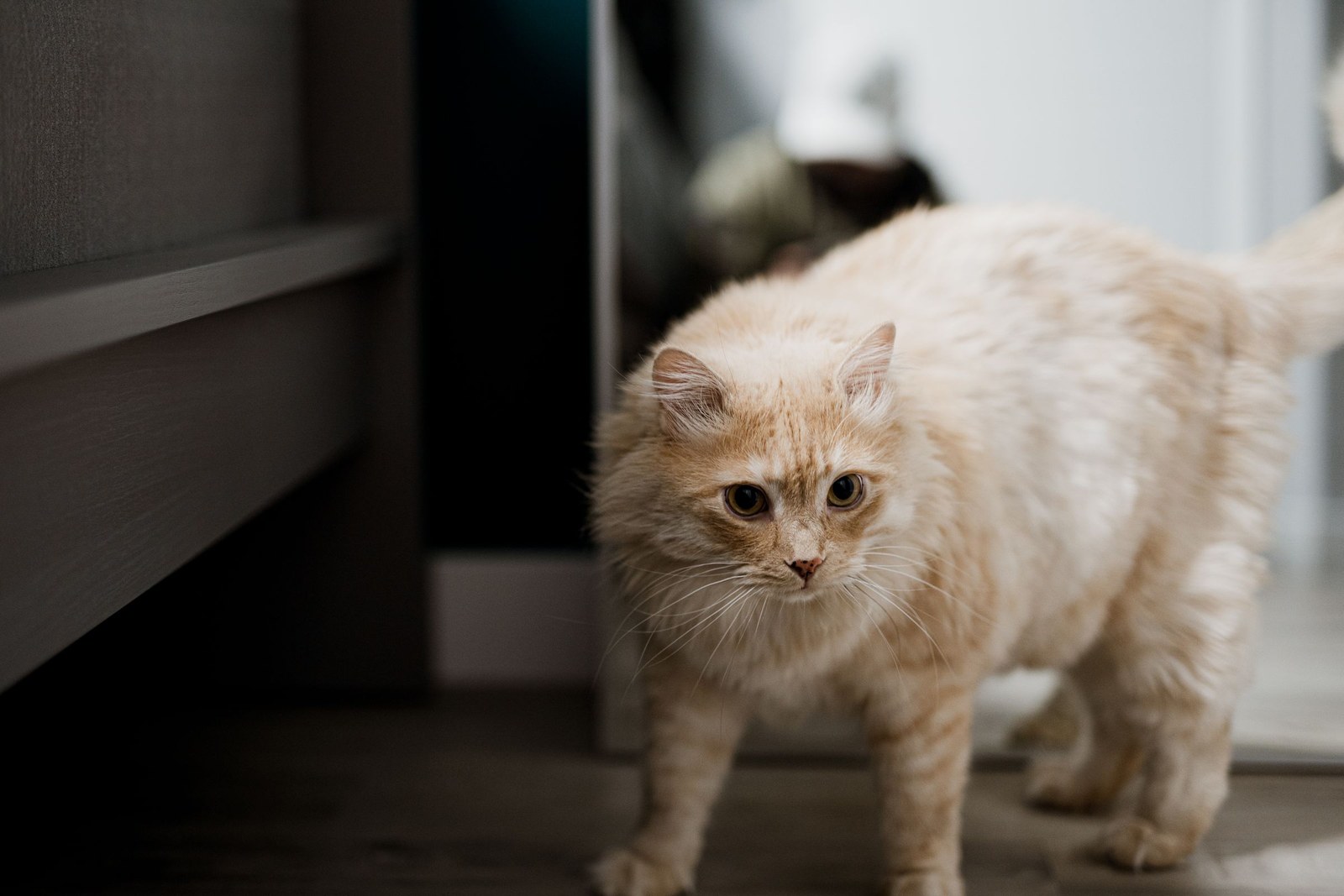
An occasional hairball — for many cats, one every few weeks, and a bit more often for long-haired cats during heavy shedding season — is a normal side effect of self-grooming, not an emergency. What matters is the pattern: hairballs that suddenly become frequent, retching that produces nothing, or any drop in appetite or energy deserves a conversation with your veterinarian rather than a shrug.
Why Hairballs Happen at All
Cats are meticulous groomers, and those tiny barbs on the tongue that make it feel like sandpaper also pull loose hair off the coat. Most swallowed hair passes through the digestive system without incident. Some of it collects in the stomach instead, and when enough builds up, your cat brings it back up as a tube-shaped wad — usually unmistakable, and usually deposited somewhere inconvenient like a rug or a bed.
Long-haired breeds such as Persians, Maine Coons, and Ragdolls swallow more hair per grooming session, and every cat sheds more in spring and fall. A cat who grooms a housemate enthusiastically may produce hairballs more often than a solo cat, too.
What Counts as Too Often
There is no single magic number, so watch for change and company. Book a vet visit if you notice:
- Hairballs several times a week, or a clear jump from your cat's usual pattern
- Repeated gagging, coughing, or retching without bringing anything up
- Less interest in food, hiding, constipation, diarrhea, or unusual tiredness
- Hairballs alongside weight loss, dull coat, or increased shedding
Retching without producing a hairball can look like a hairball problem but point to something else entirely, which is exactly why persistent episodes belong in a clinic conversation. Only your veterinarian can sort out what is going on with your individual cat — general ranges are guidance, not a diagnosis.
The Simplest Lever: Brushing
Regular brushing removes loose, dead hair before your cat's tongue does, and it is the most reliable everyday way to cut hairball frequency down. A few minutes several times a week suits most short-haired cats; long-haired cats benefit from near-daily sessions, with extra attention behind the ears, under the chin, and along the belly where hair mats and sheds most. Pair brushing with a treat or a short play session so your cat treats it as a good part of the day, not a chore to escape.
Good hydration and a diet your veterinarian is happy with support normal digestion generally, and resist the urge to reach for home remedies or products without asking your vet first — what is safe for one cat is not automatically safe for yours.
Keeping the Routine From Slipping
Hairball prevention fails quietly: everyone means to brush, and busy weeks win. In KinsLe, Care Teams let you schedule brushing as a recurring duty assigned to a specific person in your household, with timestamped completions so you can see at a glance whether this week's sessions actually happened. If hairballs spike, that record is genuinely useful — you can tell your veterinarian honestly whether grooming has kept up or lapsed, instead of guessing. Small, consistent habits beat occasional heroic grooming sessions every time. Brushing stays weekly when the Care Teams roster on KinsLe names who handles each session, and a completed groom appears there time-stamped beside the earlier ones.