
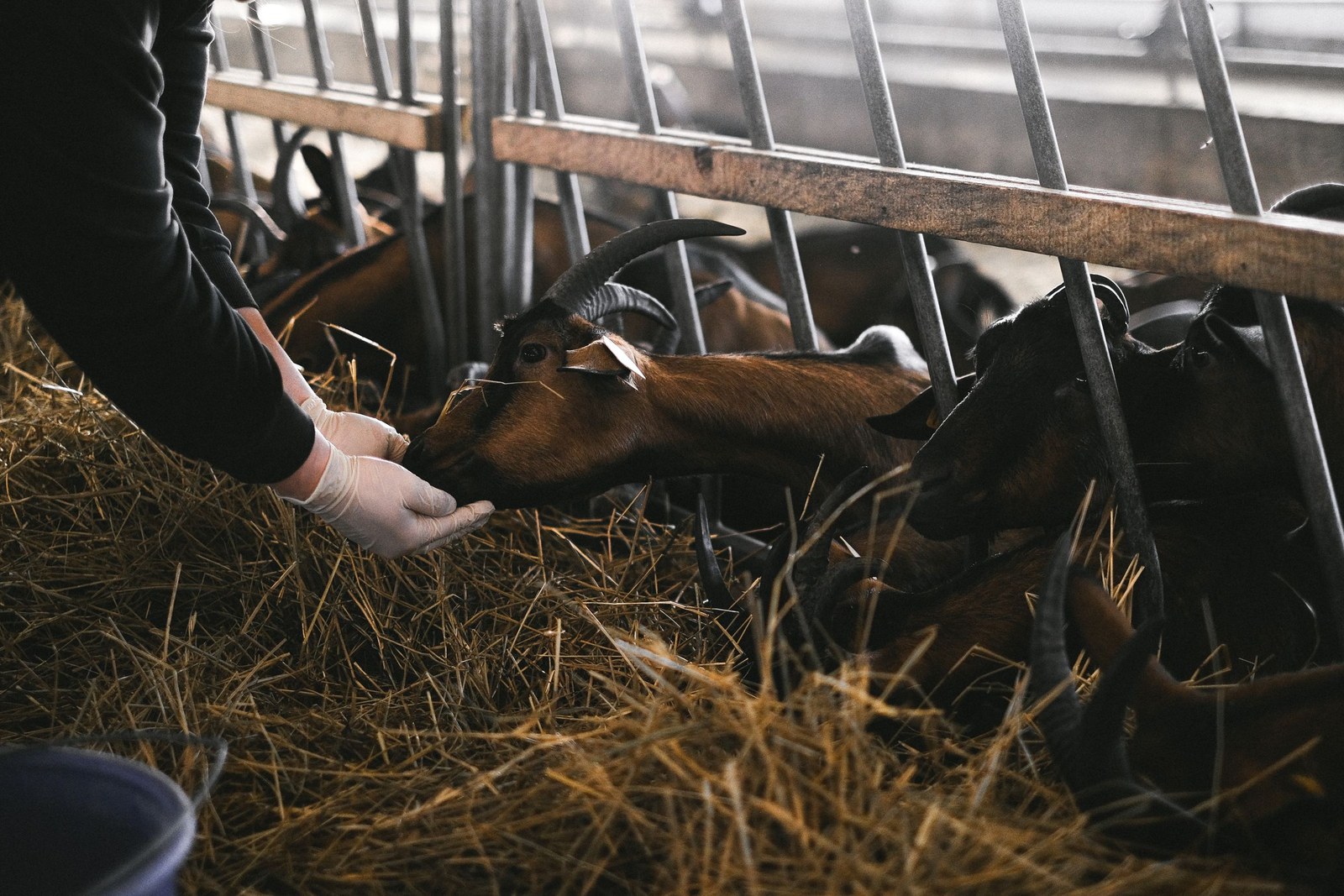
Goats and sheep typically need hoof trims every four to eight weeks, pigs need occasional attention, and cattle are trimmed as needed or on a schedule your vet or hoof trimmer recommends. The calendar is only a starting point, though — ground conditions change everything, so regular foot checks matter more than rigid dates.
Why hooves keep growing (and why that is a problem)
A hoof is like a fingernail that never stops growing. Wild and range animals wear that growth away on rock and dry, abrasive ground. Backyard animals on soft pasture, deep bedding, or mud often grow more hoof than they wear off, and the excess folds over, traps moisture and manure, throws the animal's stance off, and sets up soreness, infection, and lameness. Wet seasons are the sneaky ones: soft ground means almost no natural wear, so hooves that were fine in a dry summer can be overgrown by the end of a muddy spring.
Goats and sheep: the frequent flyers
Most goats and sheep need trimming every month or two. Watch for the wall of the hoof curling under or outward, toes lengthening, and the animal walking carefully on soft ground or kneeling to graze — a goat grazing on its knees is telling you its feet hurt. Trimming is a learnable skill: secure the animal, clean the foot, and take small cuts to restore a flat, level sole, being careful not to trim so deep you draw blood. Ask your vet or an experienced keeper to walk you through the first few rounds in person, and keep a sharp pair of hoof shears dedicated to the job.
Pigs and cattle: less often, but not never
Pigs grow slower hooves than small ruminants, but pet and backyard pigs can still develop long, cracked toes and overgrown dewclaws, especially if they live mostly on bedding rather than ground that wears feet down. Check pig feet every month or so and trim as needed, or arrange a professional for a large, strong animal. Cattle vary widely — many beef animals on pasture need little routine trimming, while individual cows with fast-growing or misshapen feet benefit from a professional chute-side trimmer. Any cow or pig that goes lame deserves a foot inspection first; lameness is very often a foot problem.
Building foot checks into your routine
- Pick a rhythm you will actually keep — for example, feet get looked at on the first weekend of every month for the whole flock.
- Handle feet when animals are calm and the ground is dry; mud hides everything.
- Note the problem feet. Some individuals simply grow faster or wear unevenly and will always need the shorter interval.
- Watch gait between trims: favoring a leg, shorter strides, or reluctance to come to feed are early warnings.
Safety, for them and for you
Work calmly and restrain animals properly — a struggling goat and sharp shears are a bad combination, and a cow's foot work belongs in a chute, not a halter. If you find heat, swelling, a foul smell between the toes, or an animal that cannot bear weight, that has moved past routine trimming into a health problem — get your veterinarian involved rather than trimming deeper. Clean tools between animals when infection is present so you do not carry it foot to foot.
Asking Kimmy as Hoof Questions Come Up
Hoof questions rarely arrive on trimming day. A goat kneels to graze, a sheep's wall curls weeks before its flockmates are due, or a pig's toes crack on frozen ground. That is when Kimmy earns its place in KinsLe: describe what you see, ask whether it can wait for the group trim or needs attention this week, and settle it before you catch and restrain anyone. Kimmy on KinsLe fields follow-up questions about hoof-trimming intervals for goats, sheep, pigs, and cattle, with answers sourced from the library behind KinsLe Answers.