
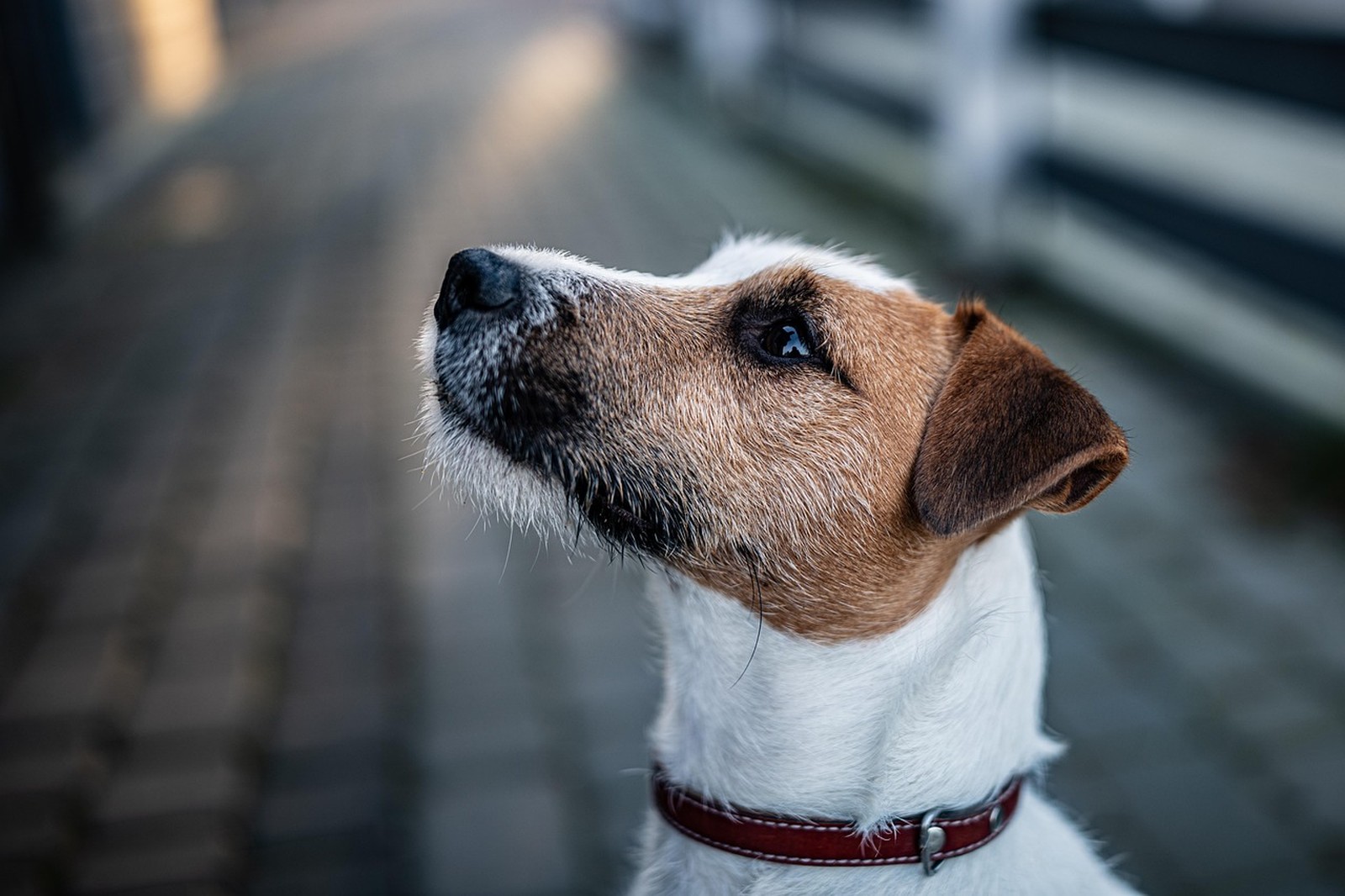
Yearly for adults, closer together at both ends of life
The standard rhythm for a grown Russell Terrier is one routine checkup each year. Puppies follow the familiar early pattern of visits spaced a few weeks apart for their vaccine series, worming, and growth checks, and those early appointments also let the vet feel developing joints and look at developing eyes from the start. Healthy adults then hold the annual line for most of their lives, and Russells are typically a robust, long-lived little breed. In the senior years, twice-yearly visits become the sensible default, because the issues of age in a small terrier — dental disease, heart changes, lens changes in the eyes, kidney wear — are all easier to manage when a six-month gap replaces a twelve-month one. A Russell in hard working or sporting condition may also merit a quick mid-year check after a knock or a strain.
Knees, eyes, and teeth: the Russell checklist
Three areas earn particular attention at a Russell Terrier's annual exam. First, the kneecaps: the vet manipulates each hind leg feeling for a patella that slips out of its groove, a known terrier vulnerability that ranges from a watch-and-note finding to something needing a plan. Second, the eyes: Russells are among the breeds where inherited lens problems can appear, so the vet examines the eyes carefully and may advise periodic specialist screening, especially for breeding dogs. Third, teeth: a small jaw with a full set of teeth crowds and collects tartar, and dental disease is the most common finding in middle-aged small dogs generally. Add heart and lung sounds, ear checks after a breed lifestyle spent investigating holes and undergrowth, a skin once-over for the bumps terriers collect, and an honest weight reading — a Russell should be all wire and muscle, never barrel-shaped.
Home monitoring for a dog in perpetual motion
A Russell Terrier will not schedule his own symptoms, so build checks into the play and grooming you already do. Watch the hind end in motion: the classic sign of a slipping kneecap is a sudden hop or three-legged skip for a few strides, then normal running as if nothing happened — count how often you see it, because frequency is exactly what the vet will ask. In good light, look at the eyes for cloudiness or a change in how the pupil responds, and note any new bumping into things at dusk. Lift the lip weekly so you spot red gums, a broken tooth, or breath that has turned foul before it becomes a mouthful of trouble. Weigh him now and then; on a frame this small, a single extra pound is a meaningful percentage, and the trend line is the useful information.
When a Russell needs the vet between checkups
Book in promptly for a skip or limp that starts happening daily, a hind leg held up and not just skipped on, or any yelp when a knee is handled. An eye that turns cloudy, red, or painful-looking, or a dog suddenly misjudging jumps he has made a thousand times, should be seen within days, not months. A broken or dangling tooth, drooling on one side, or dropping food calls for a dental look. Seizure-like episodes, episodes of collapse after exertion, persistent coughing in an older Russell, drinking and urinating noticeably more, or a terrier who uncharacteristically goes quiet and skips meals all deserve a call the same day you notice them. Small dogs compensate impressively until they suddenly cannot.
Russell records sprawl across puppy visits, eye screenings, and dental notes, and KinsLe's Pet Passport pulls them into one portable packet that any vet can read at a glance.