
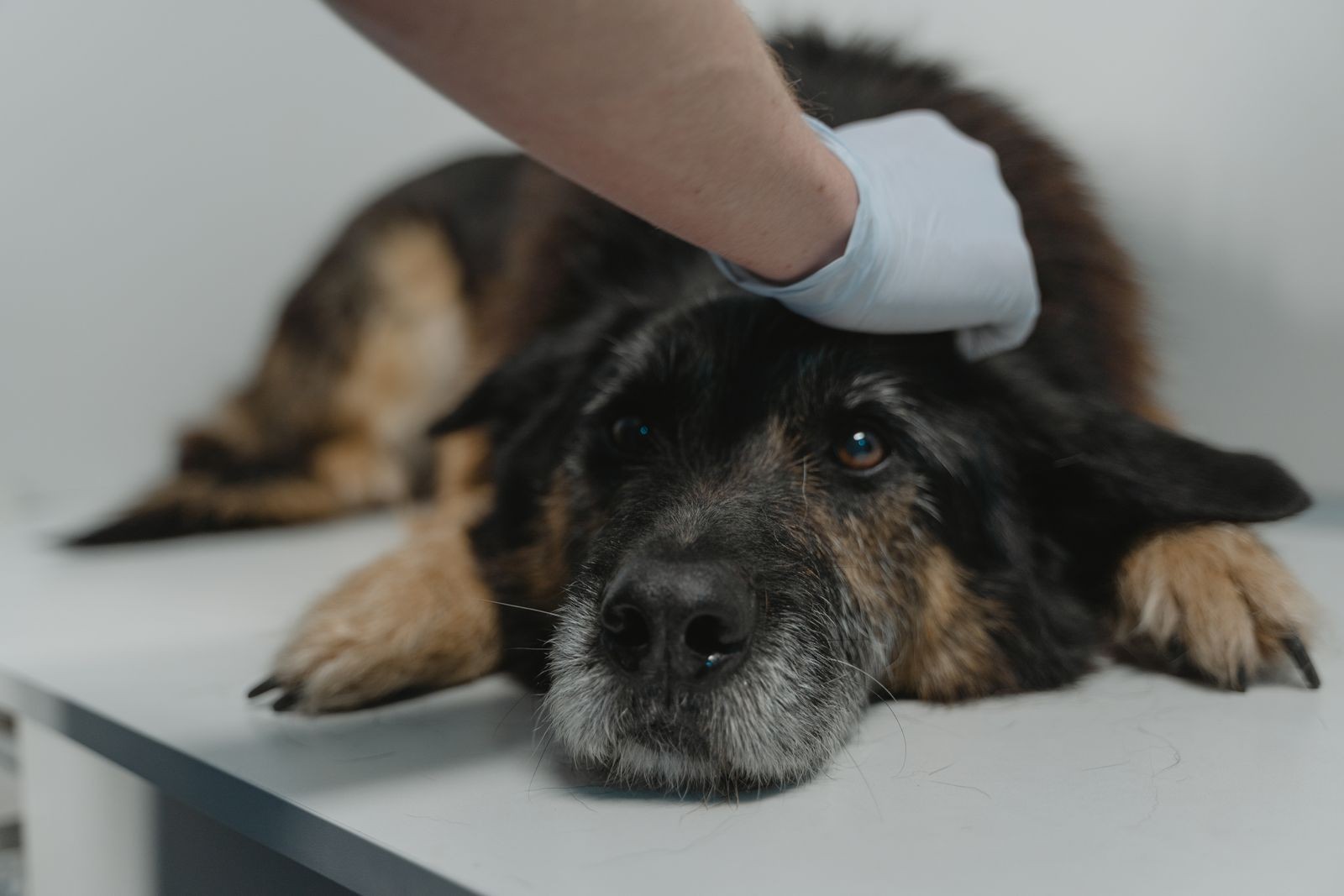
Most senior dogs should see the vet about twice a year — roughly every six months — once they reach their senior years, which is around age seven for large breeds and closer to nine or ten for smaller dogs. That twice-yearly rhythm matters because a lot can change in a dog's body in six months, and catching a shift early usually gives you more, gentler options than finding it a year later.
Why Six Months Makes a Difference
A young, healthy dog can often coast on an annual visit, but aging speeds everything up. Kidneys work a little less efficiently, joints stiffen, the heart may develop a murmur, and lumps that were not there in spring can appear by fall. Your vet is not just looking for illness at these visits — they are building a trend line for your dog. Weight, blood pressure, heart sounds, and lab values mean much more when they are compared every six months than when there is a two-year gap.
If your Labrador was always 32 kilograms and is now 30, or your senior Beagle's kidney values have crept up slightly between visits, that pattern tells a story a single snapshot cannot. It is the difference between noticing a slow leak and walking into a flooded kitchen.
What a Senior Checkup Usually Includes
Expect more than a quick once-over. A good senior visit typically includes a full physical exam, a weight and body condition check, a mobility review — how your dog rises, walks, and handles stairs — and a dental look. Most vets also recommend bloodwork and a urine test at least once a year for seniors, and sometimes at both visits if something is being monitored.
Bring your own observations, too. Has your dog been drinking more, sleeping differently, hesitating before the car, or leaving food he used to love? Those small notes from home are often the clue that points the vet in the right direction. Write them down in the week before the appointment, when you will actually remember them, rather than trying to recall them in the exam room.
Some dogs also need more frequent visits. If your senior is managing arthritis, kidney issues, diabetes, or a heart condition, your vet may want to see him every three to four months, or check labs between full exams. Twice a year is the baseline for a senior who seems well — not a ceiling.
Between Visits: Your At-Home Checks
You are the daily monitor, and five minutes a week helps. Run your hands over your dog to feel for new lumps, check that his gums look pink and moist, notice whether he is favouring a leg, and keep a simple monthly weight note if you can weigh him at home or at the practice. Watch appetite, thirst, toilet habits, and energy — not with anxiety, but with the same attention you would give an older parent.
Call sooner than the next scheduled visit if you see rapid weight loss or gain, a big change in drinking or urination, persistent coughing, repeated vomiting or diarrhoea, sudden confusion, or a lump that grows quickly. With seniors, waiting six months is rarely the right call for a new symptom.
Questions Between Visits
Questions pile up between twice-yearly visits that no calendar can settle. His kidney values crept up last time — what should you watch for at home? He hesitates at the car but still loves his walks — is that stiffness worth an earlier visit, or a note for the next one? A new lump feels soft and movable — how fast does it need hands on it?
General answers help you prepare sharper observations for the vet who knows your dog, and they never replace that vet's judgement on your own dog. When a visit nears and the bloodwork, weight, and mobility questions have piled up, put a follow-up question to KinsLe's Kinny; he answers using the KinsLe Answers library.